
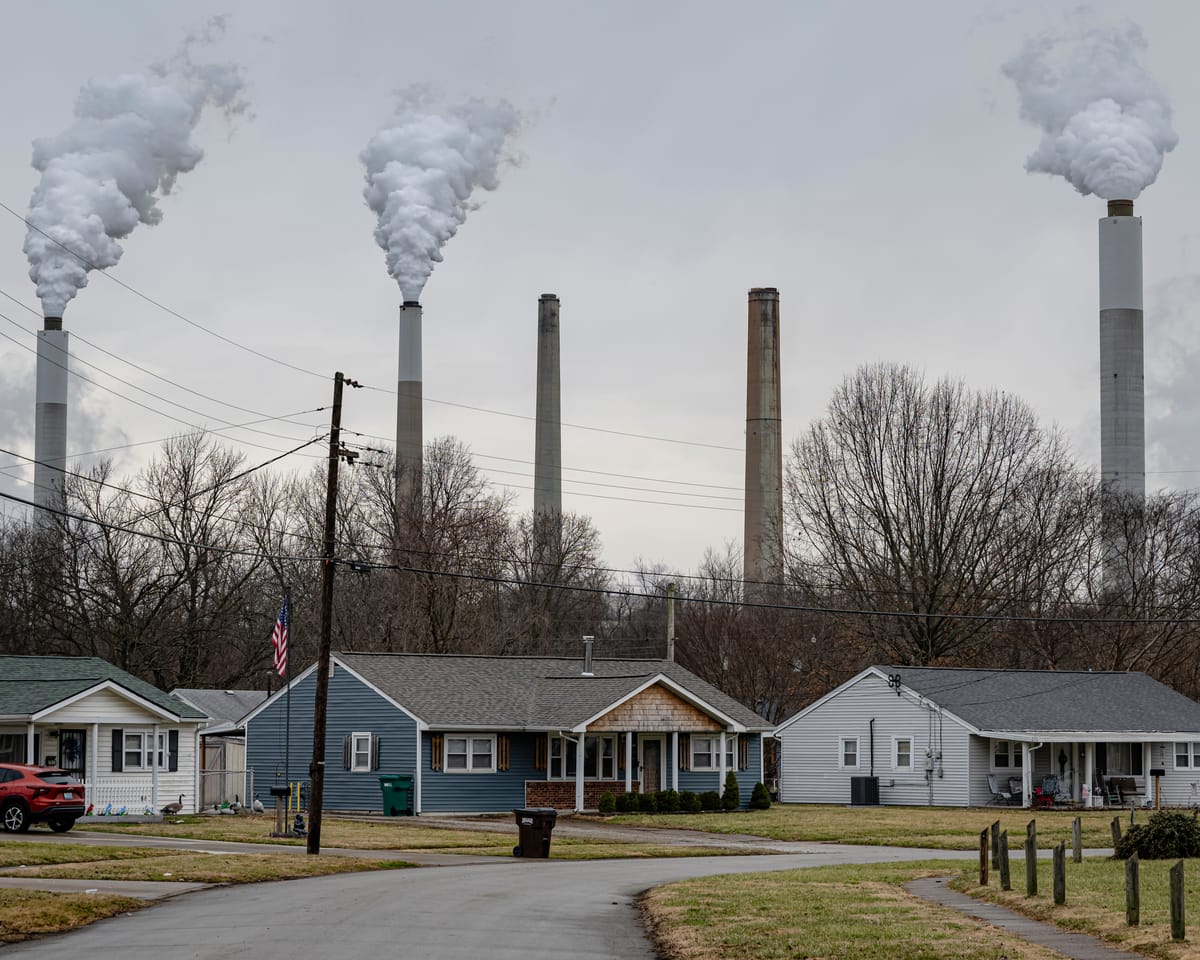
The global community needs to significantly reduce carbon emissions by nearly 20% in the next four years and nearly 50% within a decade to prevent surpassing climate targets by a critical margin.
Although the opportunity to limit temperature increases to 1.5°C has passed, the UN Environment Programme (Unep) suggests that minimizing the extent of this overshoot remains feasible. However, countries are struggling to convert long-term emission reduction goals into immediate actions, according to a report on the "emissions gap" between climate objectives and current policies.
Global carbon emissions seem to have plateaued, with levels in 2025 similar to those in the previous year. Yet, Unep analysts caution against labeling this as a peak or plateau, due to uncertainties in geopolitics and a growing dependence on fossil fuels, despite significant growth in renewable energy.
To have a reasonable chance of limiting temperature increases to 1.7°C above preindustrial levels, greenhouse gas emissions need to be cut by 18% by 2030 and by 45% by 2045. This would make extreme heatwaves more frequent but potentially prevent them from worsening significantly.
Inger Andersen, the executive director of Unep, noted that warnings about the urgency of addressing climate change have been long-standing. The goal of staying within the 1.5°C limit was missed, and the window for that effort has closed. Nevertheless, she emphasized the importance of maintaining the 1.5°C goal from the Paris climate agreement, aiming to minimize and shorten any overshoot.
Under the Trump administration, the U.S., the world’s second-largest emitter after China, withdrew from the Paris agreement and risked reversing its trend of declining greenhouse gas emissions.
Bill Hare, chief executive of the Climate Analytics think tank, stressed the responsibility of major fossil fuel producers like the U.S. and Saudi Arabia, which produce 20-25% of global fossil fuels. He criticized their political inaction and denial of climate change, despite increasing impacts like heatwaves and wildfires.
UNEP analysis found that pledges made last year on greenhouse gases were weak, influenced by U.S. intransigence. At the Cop30 climate summit in Brazil, governments failed to make strong enough commitments to cut emissions under the Paris agreement. Even if all updated pledges were met, temperatures would rise by 2.6°C above preindustrial levels, threatening global ecosystems. Current policies could lead to a 2.8°C increase.
Mohamed Adow, director of Power Shift Africa, highlighted the availability of solutions like solar and wind power, which are expanding rapidly. However, governments are lagging in transitioning from fossil fuels.
The gap in countries' commitments is intended to be addressed by the Paris agreement's "global stocktake," an assessment of emissions targets scheduled for 2028. However, this has been jeopardized as the UN’s Intergovernmental Panel on Climate Change has not set a timeline to release its latest report before the stocktake, hindering governments from aligning their progress with current science.
Johan Rockström, director of the Potsdam Institute for Climate Impact Research, emphasized that political action, not scientific evidence, is needed to close the gap between current national commitments and necessary emission reductions. If existing commitments are fulfilled, emissions could reach 50 gigatonnes by 2035, whereas they should be below 35 gigatonnes.
Read next
Will nations fulfill a pact to safeguard global flora and fauna?
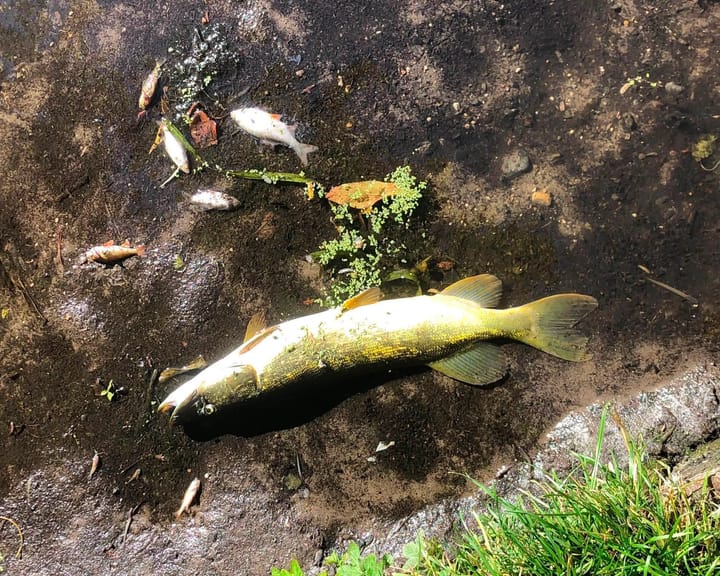
In August, passersby noticed the pungent odor of decaying fish along the River Wensum in Norwich, where over 3,000 pike, roach, carp, and rudd were found dead. Some fish gasped for air, struggling for oxygen that had been depleted due to heatwave conditions. Investigators attribute the die-off to
Researchers Relying on Technology Less Likely to Act on Climate Change
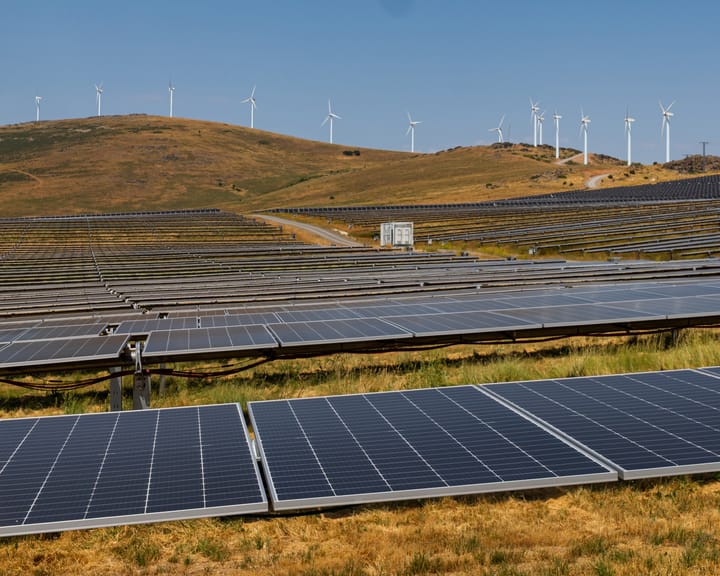
A study from the London School of Economics has found that scientists who are optimistic about technology solving climate issues are less likely to engage in civic actions compared to those who are skeptical of technological solutions. According to the study, these techno-optimists are 23% less likely to participate
Three-year project lifts lid on Britain’s little-understood shark species
Shark Scientists Turn to Anglers for Answers on Vulnerable Species
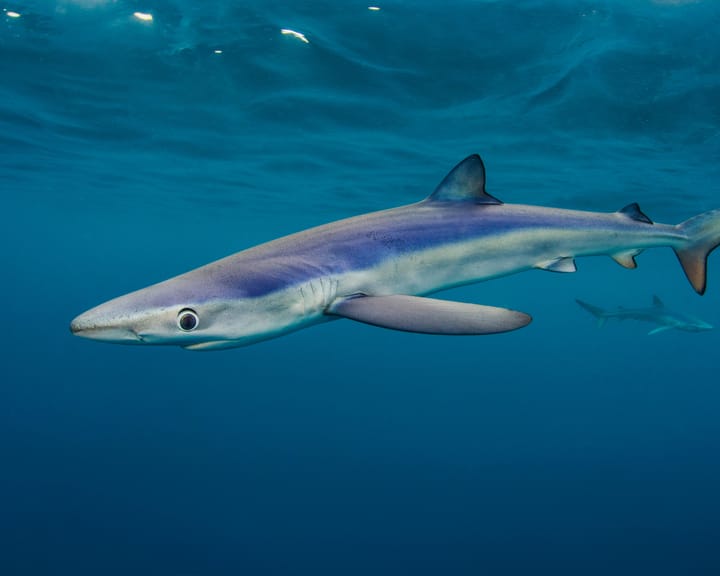
Dr Lucy Hawkes, associate professor at the University of Exeter, is co-leading a new three-year project to study some of England’s most vulnerable shark species. “I like the porbeagle, which looks like a baby great white shark,