
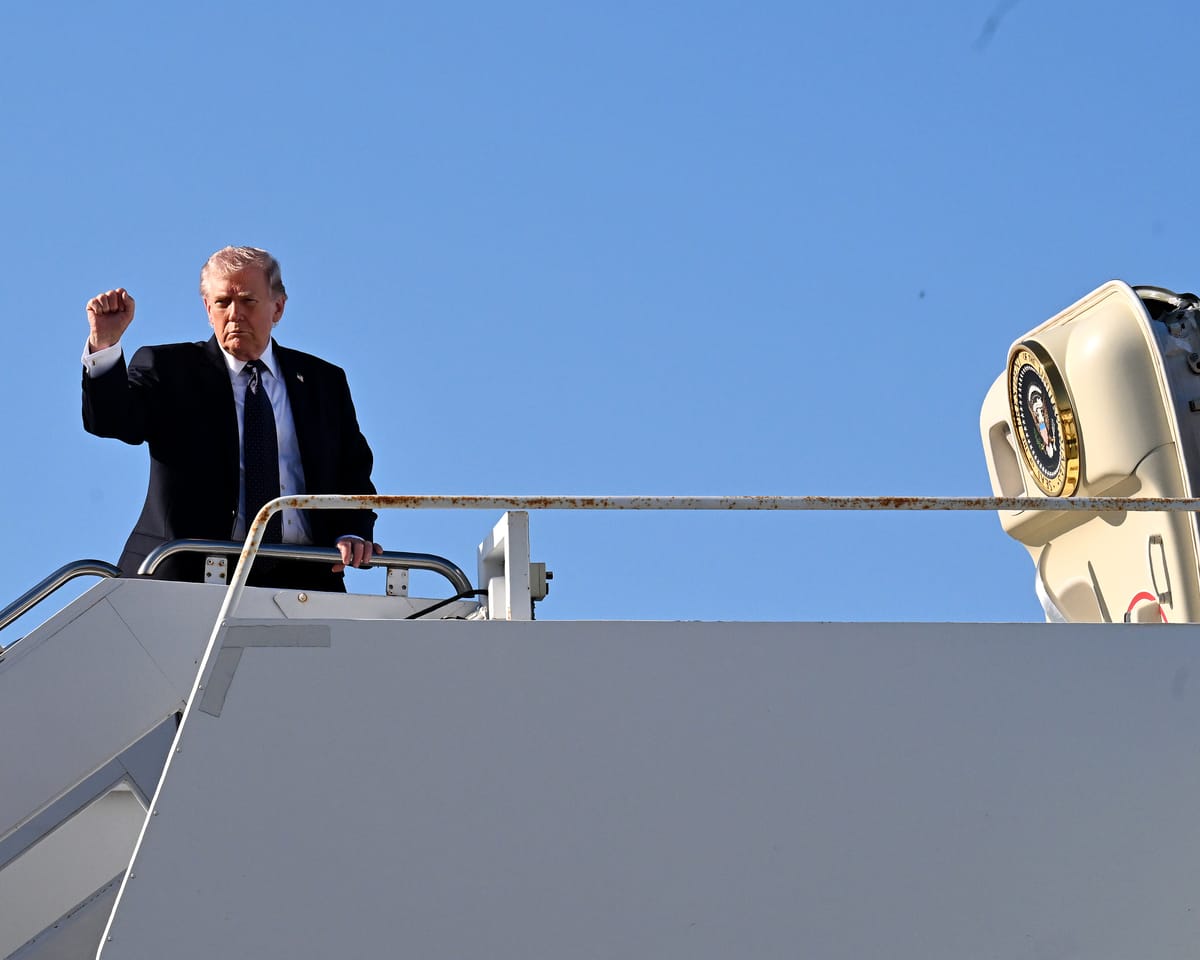
Donald Trump faces mounting pressure to outline his strategy for Iran as attacks on the nation continue and reports emerge of the first U.S. casualties since the start of unprovoked American and Israeli strikes.
Opponents are urging the White House to clarify the next steps. Detractors and analysts argue that the absence of a defined plan so far raises the risk of the United States becoming entangled in a protracted conflict—the very scenario Trump has repeatedly pledged to avoid.
“If the administration has a game plan, it has not yet been disclosed, frankly,” said Alex Vatanka, a senior fellow and Iran specialist at the Middle East Institute in Washington.
“He will need to move toward a broader political agenda, not merely a military one, and engage his team in a deeper discussion about what kind of regime change might be achievable.
“Then it won’t be a campaign lasting four days, four weeks, or even four months. It could extend far beyond that.”
Trump—who has long condemned the 2003 invasion of Iraq as a blunder—has been faulted for not publicly justifying renewed strikes on Iranian sites after claiming to have “obliterated” its nuclear facilities in a series of June attacks.
His brief remarks on Iran in last week’s State of the Union address mentioned the threats posed by Tehran’s nuclear program and ballistic missiles but omitted any reference to regime change. He also said he would prefer to address Iran’s alleged military menace through diplomatic means.
Democrats have expressed concern that an assault on Iran could become open‑ended without a clearly articulated objective.
“Where does this all lead?” House Intelligence Committee senior Democrat Jim Himes told NPR. “We could bomb Iran alongside Israel for an extended period, but to what end?
“Is the goal regime change? There are few historical examples of regime change achieved through bombing, and, frankly, few instances of U.S. forces effecting a satisfactory regime change at all.”
Vatanka cautioned that regime change is unlikely without the government collapsing “under its own weight” due to popular opposition, or the United States deploying “boots on the ground,” a course he suggested should rely on intelligence assets rather than troops.
“A prudent approach would be intelligence‑driven, using the same CIA operatives on the ground who have identified senior leaders, their locations, and movements.
“Those assets could be employed to foster new political dynamics within the regime, persuading people that the current government is finished and will not return in its present form, thereby prompting a political transformation. That strategy demands substantial investment, and it is no simple task.”
Read next
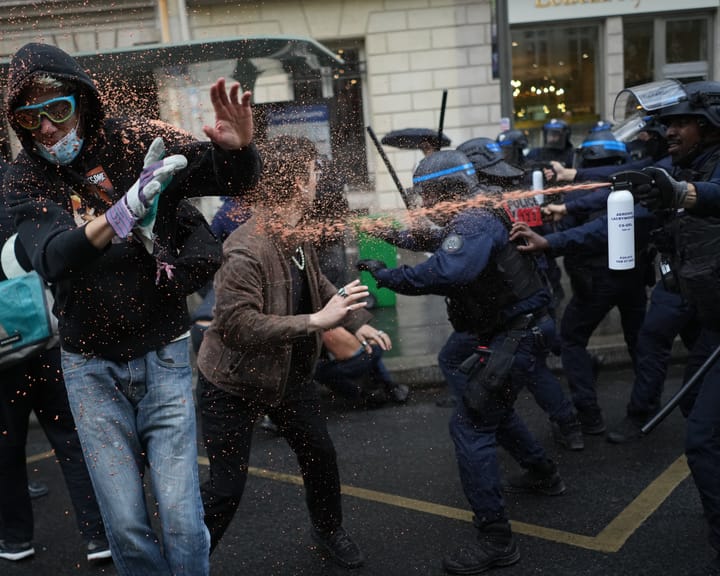
French Minister Refutes Police Brutality Claims Amid Ongoing Student Protests Across France – Europe Live
In recent developments, French Interior Minister Laurent Nuñez has refuted claims of excessive police force during the ongoing student protests in France. He emphasized that police action is only taken in response to violence or property damage. Addressing lawmakers, Nuñez described the protests as "unprecedented" due to the
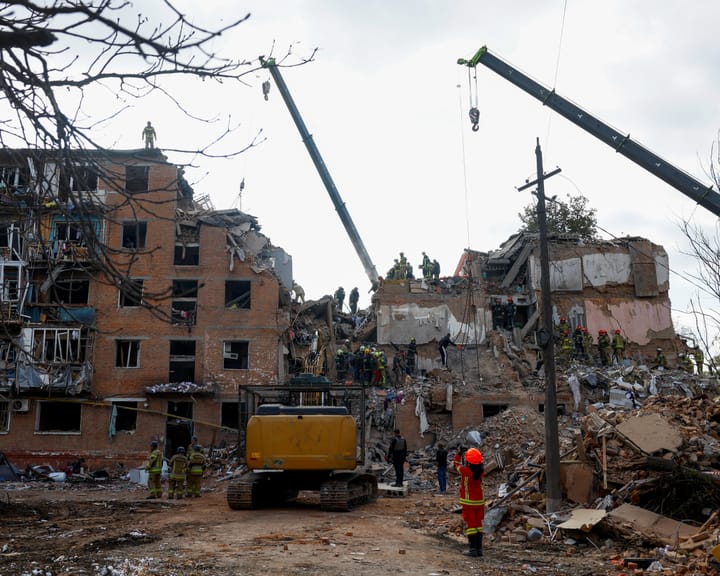
Ukraine Reports Russia Bombed Apartment Building Coinciding with Putin's Birthday
Volodymyr Zelenskyy has accused Russia's military of deliberately targeting civilians and bombing residential buildings as a grim gift for Vladimir Putin, who celebrates his 74th birthday on Wednesday.
Ukraine’s president described Russia’s overnight drone and missile strikes, which killed at least 24 people, as “despicable.” “The

Fears of 'another coup d'état' grow as Flávio Bolsonaro vows to 're-democratise' Brazil
Flávio Bolsonaro, the leading candidate for Brazil's presidency, has promised to "re-democratise" the nation, raising concerns about potential authoritarian governance should he win. Brazil transitioned to democracy in the 1980s after a harsh 21-year dictatorship, a period lauded by Flávio's father, former