
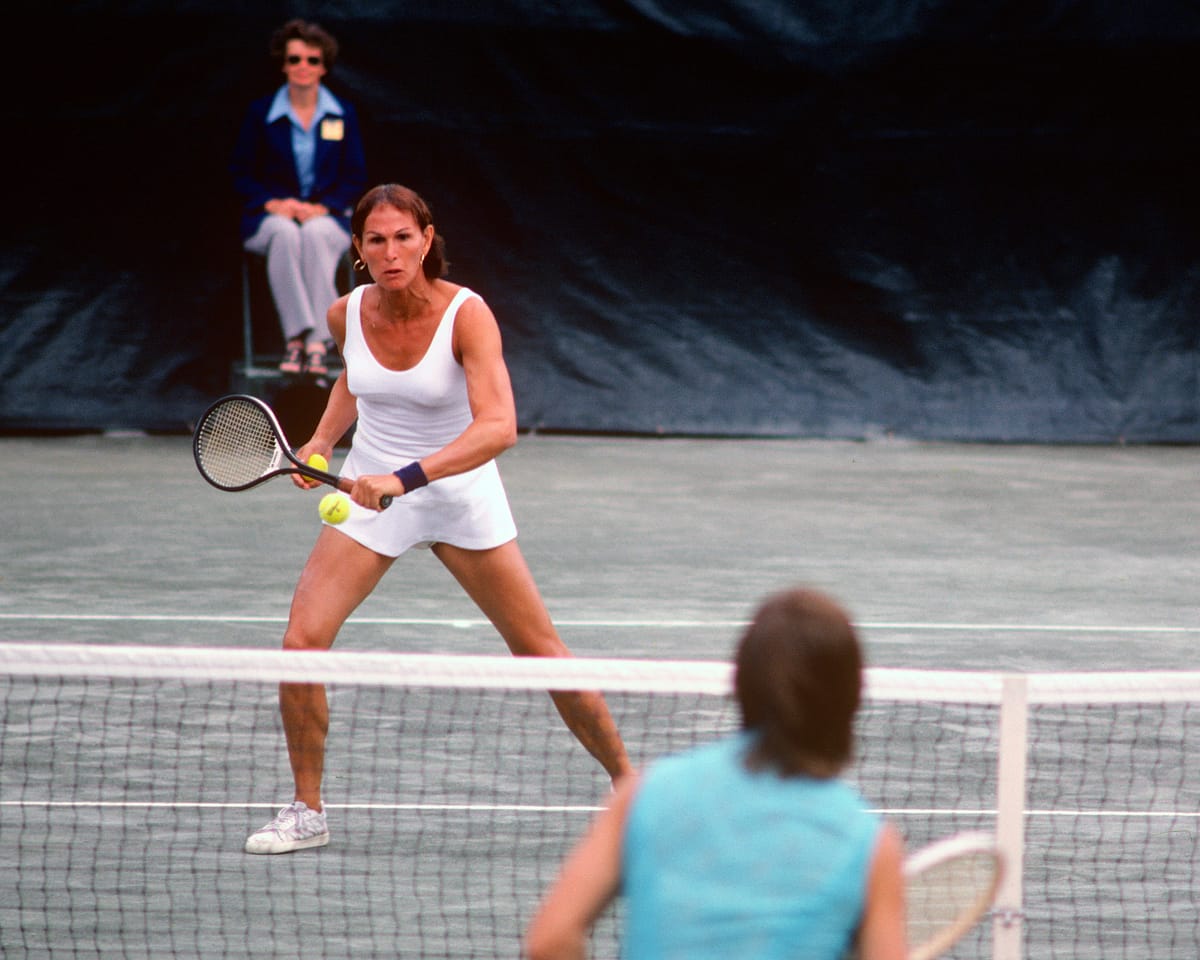
In 1977, tennis headlines were captivated by Dr. Renée Richards' legal battle for the right to play in the women's draw at the US Open. An accomplished ophthalmologist and former male amateur tennis player, Richards sought to compete as a woman after undergoing a sex-change operation. Her legal team included Roy Cohn, a notable figure for his role in the McCarthy era and his association with Donald Trump. The firm successfully argued her case, a focal point in Julie Kliegman's biography, "Finding Renée Richards: The Groundbreaking Story of Tennis's Trans Pioneer."
The lawsuit was pivotal for Richards but did not set a precedent for future cases involving transgender athletes, as noted by Kliegman, a sports journalist who is trans and non-binary. This biography revisits a significant moment in the history of transgender inclusion in sports and society. Kliegman highlights the increased hostility faced by athletes today, comparing it to the challenges Richards encountered.
Kliegman's research included access to Richards' autobiographies and unpublished memoir interviews, as well as multiple in-person interviews with Richards, now 92. These discussions revealed a shift in Richards' views on transgender athletes, contrasting with her earlier stance during the lawsuit. She now believes that trans women and girls should not compete in women's sports unless they have not undergone male puberty, citing research on potential advantages, though Kliegman finds the evidence inconclusive.
The biography also delves into Richards' early life. Born Richard Raskind in a Jewish-American family, he faced bullying and began expressing his female identity privately during his youth. Despite dating women and excelling in tennis, Raskind struggled with his gender identity, consulting psychoanalysts during a time when trans healthcare was limited. After traveling to Morocco for a sex-change procedure and later undergoing surgery in New York, he adopted the name Renée.
Richards' tennis career continued in California, where she faced scrutiny from the United States Tennis Association (USTA) regarding her eligibility to play women's professional tennis. A legal battle ensued, with the USTA questioning her genetic makeup. Ultimately, a judge ruled in Richards' favor, allowing her to compete in the US Open, where she had mixed results.
Despite her legal victory, Richards encountered hostility from some competitors. Billie Jean King played a crucial role in advocating for her inclusion, eventually supporting Richards on the court. Post-retirement, Richards coached Martina Navratilova and resumed her ophthalmology practice, treating notable clients like Keith Olbermann. The biography also addresses the personal tragedy of her son Nicholas's suicide in 2019.
Kliegman notes that her understanding of Richards' evolving views on transgender athletes is influenced by broader political dynamics, particularly during the Trump administration. This reflection underscores the ongoing complexities surrounding transgender rights in sports and society.
Read next

FIFA President Infantino Under Fire at Potentially 'Explosive' Council Meeting
Gianni Infantino is set to face scrutiny from FIFA Council members regarding his involvement in the canceled World Cup sell-off plan, the Folarin Balogun case, and the decision to award Donald Trump the inaugural FIFA Peace Prize. This expected tense meeting will occur at FIFA's headquarters on

"Unlocking Potential: How Sporting Mentors Redirect Prisoners to a New Path"
On the day 700 prisoners in England and Wales were released early, I drove to Wolverhampton for an event by the non-profit group ConnectSport. The event celebrated local sports clubs and initiatives that empower young people, as described by Ranjit Singh, a renowned figure in wrestling, martial arts, and
Athletics Contemplates Resetting Women's Marathon Record—What Steps Can Be Taken?
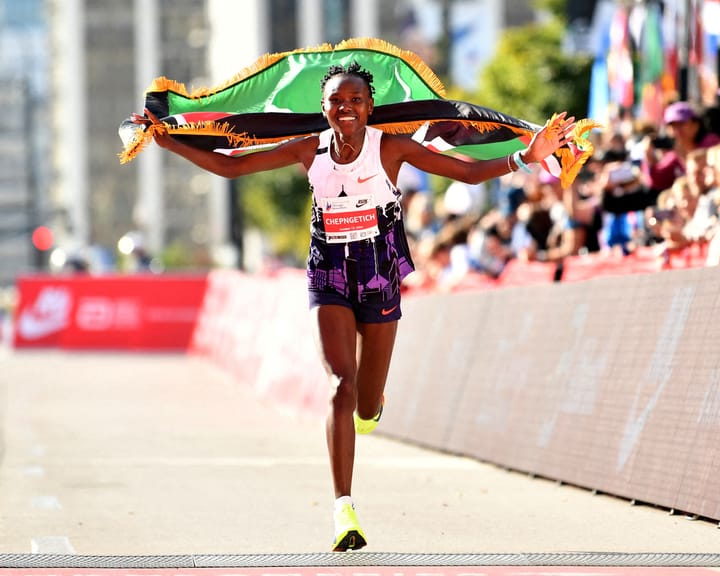
Two years ago, Ruth Chepngetich shattered the women’s marathon world record in Chicago, prompting comparisons to the moon landing by commentators. Her astonishing time of 2:09:56 not only broke the previous record by 1:57 but also surpassed her personal best by five minutes. Following her run,