

On the day 700 prisoners in England and Wales were released early, I drove to Wolverhampton for an event by the non-profit group ConnectSport. The event celebrated local sports clubs and initiatives that empower young people, as described by Ranjit Singh, a renowned figure in wrestling, martial arts, and Kabaddi.
During the drive, I listened to news cycles discussing the challenges of early release and the issue of insufficient prison capacity. It was portrayed as a complex problem with few solutions, with tagging being the only method mentioned to reduce reoffending rates.
However, sport can play a significant role in addressing these challenges. In his annual report, Charlie Taylor, HM Chief Inspector of Prisons, highlighted the need to improve prisoners' access to gyms and physical activity, noting its powerful impact where implemented.
Research shows that 25 prisons and young offender institutions organizing parkrun see benefits such as improved mental and physical health, self-esteem, confidence, and a sense of purpose. These factors are crucial for rehabilitation and reducing reoffending.
A new initiative, Prison Run, led by former Ironman world champion Chrissie Wellington, aims to train 20 men and women nearing release from three prisons to run the 2027 London Marathon. Mentors will guide them from their first run to marathon distance, both inside prison and post-release, integrating sport, mentoring, employment, and community support.
John McAvoy, a triathlete who achieved world records while incarcerated, will coach in this initiative. McAvoy emphasizes that sport helped transform his life by providing purpose and community, and he is committed to sharing this with others. He believes everyone deserves a second chance and aims to support them in this journey.
Sport and physical activity can offer pathways for prisoners post-release, as seen with the 180 Project, which engages prisoners in CrossFit and connects them to community support services upon release. During a masterclass I conducted, motivated prisoners eager to improve their rowing skills also developed a new perspective on life and community.
One former prisoner credited the 180 Project with fostering self-awareness and personal growth, helping him see his potential.
Lindsey Middleton, co-founder of 180 Project, noted that participants become physically, mentally, emotionally, and socially well through their involvement.
The UK is developing expertise in using sport for criminal justice, with the Alliance of Sport in Criminal Justice linking local sports organizations with academics and government partners. Under James Mapstone's leadership, the alliance has gained global recognition, leading to initiatives in Southeast Asia to prevent youth crime.
Kirsty Coventry, IOC president, prioritizes sport’s role in fostering safer communities. A poll by Forward Trust indicated strong public support for rehabilitation programs, suggesting that sport and physical activity could play a larger role in community influence and crime prevention.
Research by Prof Rosie Meek, a prison scholar, has long shown sport's positive effects in prisons, yet its broader benefits remain underutilized. Sport can significantly contribute to social challenges in communities, as envisioned by Chrissie Wellington through Prison Run, aiming to replace stigma with stories of resilience and second chances.
Read next
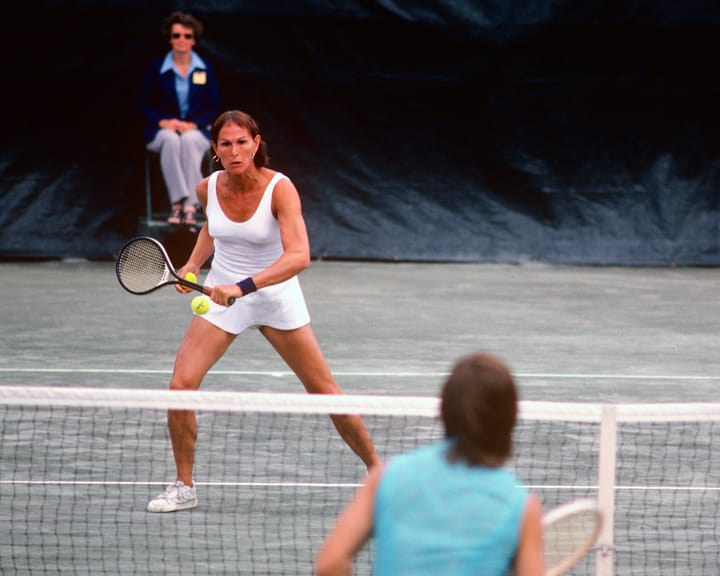
Uncovering Renée Richards: The Intricate Legacy of a Transgender Trailblazer in Sports
In 1977, tennis headlines were captivated by Dr. Renée Richards' legal battle for the right to play in the women's draw at the US Open. An accomplished ophthalmologist and former male amateur tennis player, Richards sought to compete as a woman after undergoing a sex-change operation.
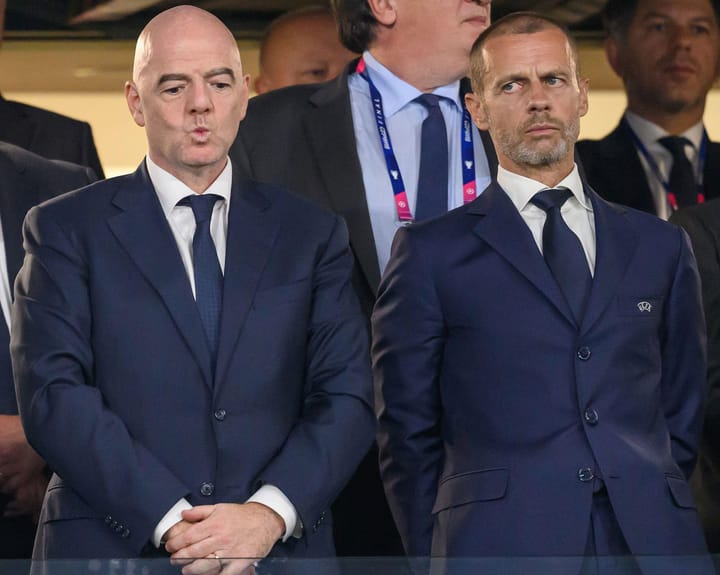
FIFA President Infantino Under Fire at Potentially 'Explosive' Council Meeting
Gianni Infantino is set to face scrutiny from FIFA Council members regarding his involvement in the canceled World Cup sell-off plan, the Folarin Balogun case, and the decision to award Donald Trump the inaugural FIFA Peace Prize. This expected tense meeting will occur at FIFA's headquarters on
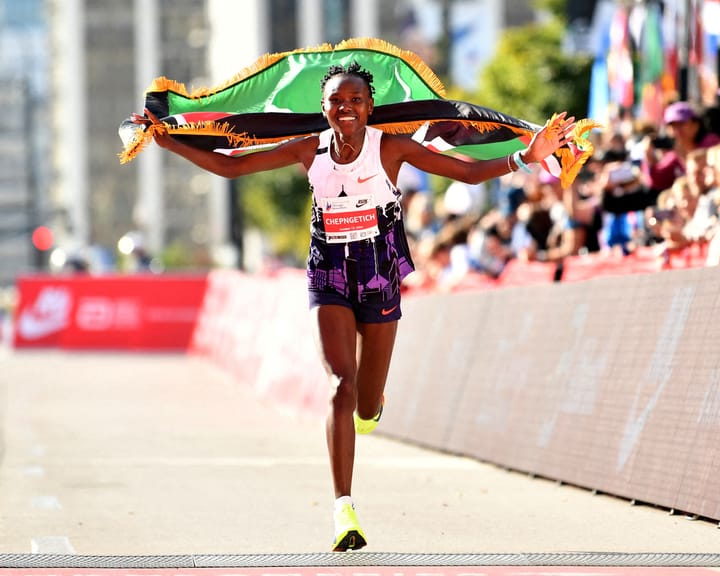
Athletics Contemplates Resetting Women's Marathon Record—What Steps Can Be Taken?
Two years ago, Ruth Chepngetich shattered the women’s marathon world record in Chicago, prompting comparisons to the moon landing by commentators. Her astonishing time of 2:09:56 not only broke the previous record by 1:57 but also surpassed her personal best by five minutes. Following her run,