
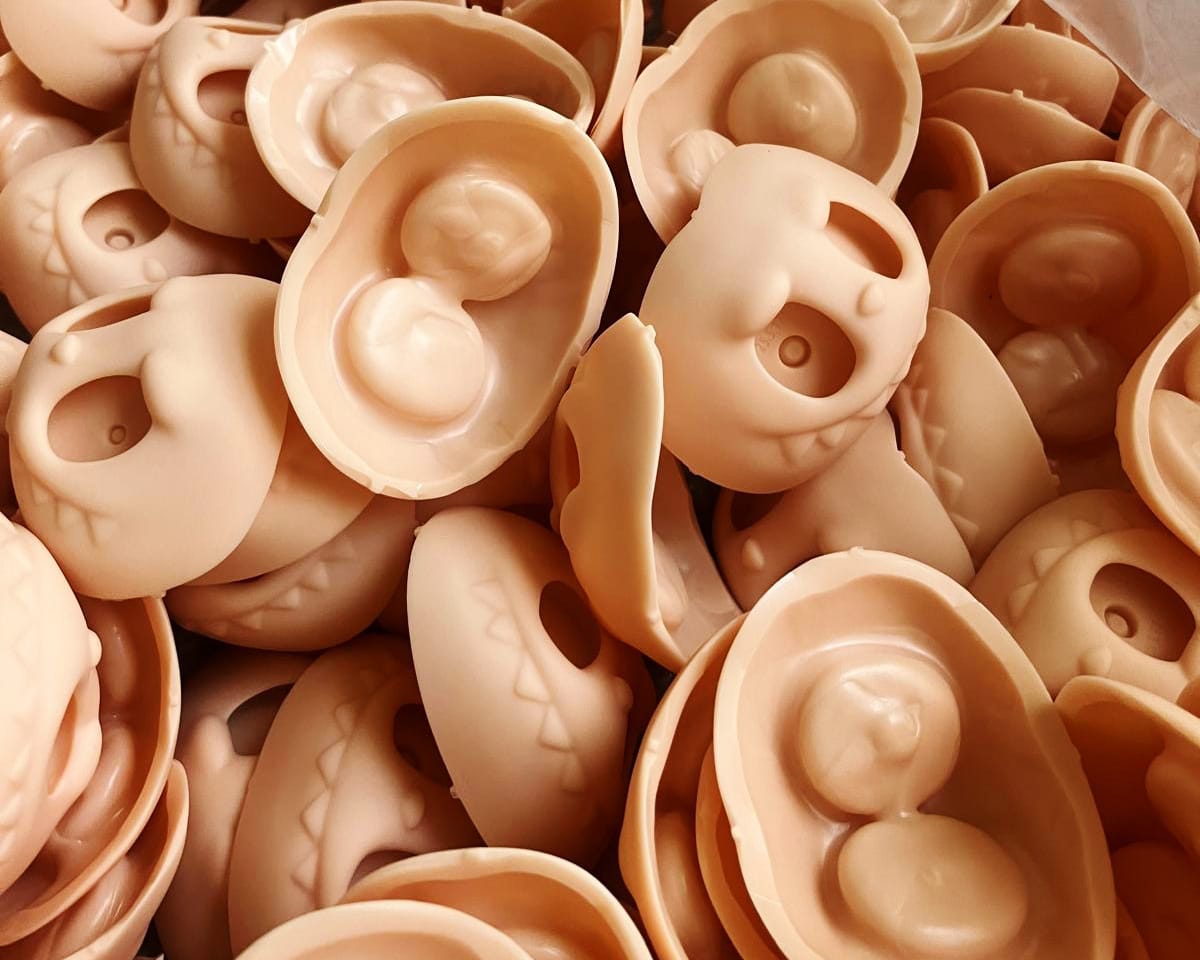
Piles of trolleys loaded with severed silicon monster heads, shadowy vendors in alleyways, bags of hidden goods tucked behind counters—this is the underground market of Lafufus.
Imitation Labubus, also called Lafufus, are filling the unregulated trade. As interest in the collectible fuzzy keychains grows, producers in Shenzhen’s southern trading district are rushing to supply counterfeit versions for eager buyers. But authorities, aiming to safeguard a rare cultural success, are stepping up efforts to stop the fakes.
“Labubus have become a delicate topic,” says an unauthorized seller in a small, discreet shop tucked away on the 17th floor of a nondescript office building in Shenzhen’s Huaqiangbei area, known for cheap electronics. “We don’t even mention them,” her associate adds.
Labubus, fuzzy bunny-eared creatures created by Chinese toy firm Pop Mart, have surged in popularity this year. Promoted by celebrities like Rihanna and Blackpink’s Lisa, these “ugly-cute” figures have been so sought-after that in the UK, Pop Mart removed them from shelves due to concerns over customer disputes. They sell for £17.50 in the UK, while original versions in China range from 99 to 399 yuan, with resale prices climbing much higher.
Chinese officials have celebrated the hype, calling Pop Mart another example of a domestic brand gaining global attention, alongside hits like the game *Black Myth: Wukong* and tech firm DeepSeek.
In June, *People’s Daily*, the Communist Party’s official newspaper, credited Labubus with symbolizing the shift from “Made in China” to “Created in China.” The piece stated that the brand’s success merges China’s manufacturing strength with creative design, appealing to consumers’ emotions worldwide.
Pop Mart’s rise as a cultural symbol has also spurred authorities—in a country working to distance itself from counterfeiting—to intensify crackdowns. This April, customs in Ningbo seized 200,000 items suspected of violating Labubu’s copyright, with another raid last month uncovering over 2,000 fakes, state media reported.
About 40km from the Huaqiangbei store, 59-year-old Li Yang* has never heard of Labubu. Yet, each day, she sits on a low plastic stool in her high-rise apartment, carefully cutting apart silicone monster heads destined to become Lafufus.
Surrounded by mounds of unfinished pieces, Li and her neighbor, Wang Bi*, another grandmother doing piecework from home, spill into their apartment hallway as they work. “Since we’re homebound, looking after the kids and doing chores, we wanted something extra to do,” Li says.
Li didn’t know where the heads came from.
Read next

Marché des Enfants Rouges, Known as Paris' 'Coolest Market,' Ravaged by Fire
A devastating fire has swept through Paris's oldest surviving covered food market, a beloved street food destination in the Marais district. This historical venue, which attracted both locals and tourists daily, dates back to the 17th century.
Ariel Weil, the mayor of central Paris, described the Marché des

German Minister Resigns Following Stepdaughter's Death and Political Criticism
Germany's Labour Minister Bärbel Bas, a co-leader of the Social Democrats (SPD), resigned from her positions, citing the loss of her stepdaughter and subsequent political attacks as her reasons. Her resignation poses a significant challenge to the already fragile coalition government.
Bas, in a Facebook statement, mentioned
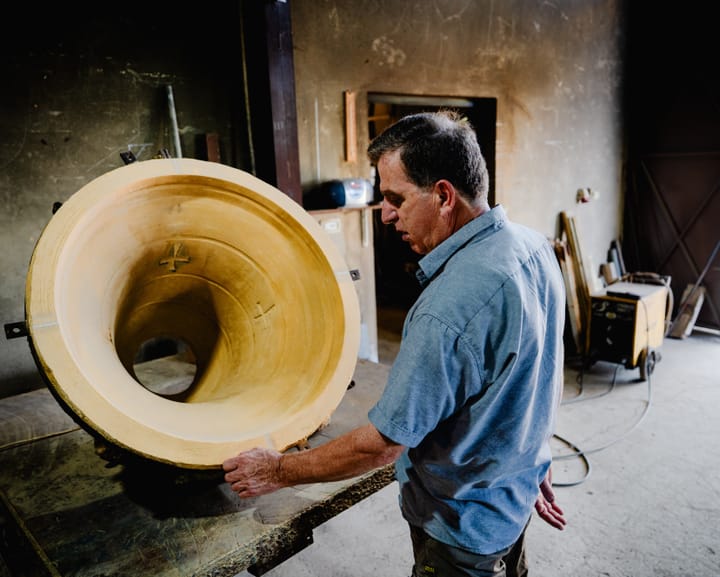
Preserving 300-Year-Old Church-Bell Tradition: Lebanon's Sole Family Artisan
The story of Lebanon's sole remaining church-bell maker traces its origins to an unexpected encounter. In the 18th century, Youssef Gabriel, a local metalworker, was involved in covertly crafting and supplying rifles to Arab revolutionaries fighting against the Ottoman rule over Lebanon. One day, a Russian engineer