
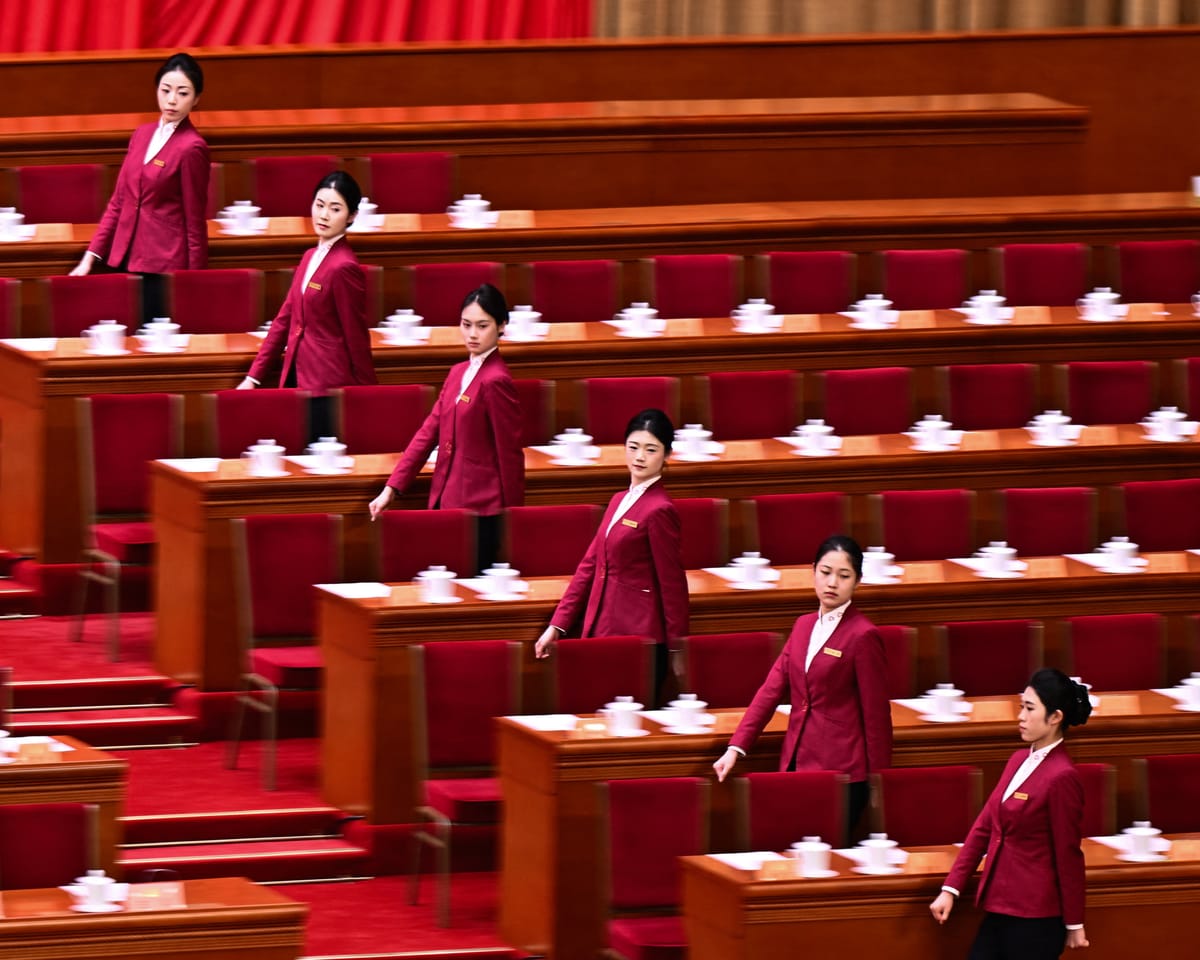
China’s annual Two Sessions convene this week, drawing thousands of political and civic representatives to Beijing from mainland China, Hong Kong and Macau to approve laws, staff appointments and the budget during roughly a fortnight of tightly organized sessions.
What are the Two Sessions?
The gathering is named the Two Sessions because the National People’s Congress (NPC) and the Chinese People’s Political Consultative Conference (CPPCC) each conduct their yearly meetings independently yet concurrently. The CPPCC functions as a consultative organ, possessing limited actual power but frequently reviewing unconventional suggestions on matters such as China’s demographic challenges. Its roster comprises corporate leaders, public figures and notable personalities, formerly featuring the actor Jackie Chan and basketball star Yao Ming. The 3,000‑strong NPC serves as the legislative chamber of the Chinese Communist Party, yet it operates mainly as a “rubber‑stamp” assembly, never having turned down a proposal presented to it.
What happens at the Two Sessions meetings?
The sessions feature “work report” addresses delivered by the premier and, on occasion, remarks from the party chairman, Xi Jinping, though not invariably. Formal economic goals are outlined, defence budgets disclosed, and adjustments to party leadership positions ratified. Historically, the Two Sessions have been the venue for major policy shifts. In 2023, it marked the formal endorsement of Xi’s unprecedented third term in office. In 2020, the NPC introduced the national security legislation that now governs Hong Kong.
What is different about the Two Sessions this year?
This session’s spotlight will be on the 15th five‑year plan, Beijing’s economic blueprint for 2026‑2030. The plan’s main elements were disclosed last year while senior CCP officials reviewed a draft version. Among the priorities are stimulating internal consumption and expanding China’s capabilities in advanced technologies such as nuclear fusion, quantum computing and artificial intelligence. Even though China has settled on a fragile cease‑fire with the United States after a trade dispute that risked destabilising the world economy, Beijing remains intent on lessening its future economic dependence on the U.S.
This year’s gathering also unfolds against the backdrop of a sweeping reshuffle within the leadership of the People’s Liberation Army (PLA). In January, Xi ordered an inquiry into his senior general on grounds of alleged corruption and disloyalty, a purge that succeeded the removal of several other military and defence officials in recent months.
Read next
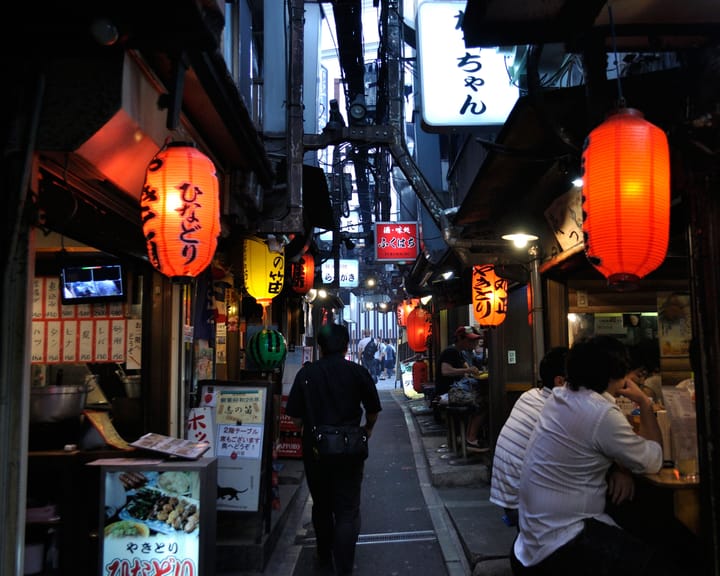
Tokyo tourist hotspot outlaws short-term rentals amid complaint surge
Shinjuku Ward, Tokyo, has moved to ban short-term rental accommodations in residential areas and near schools and important cultural sites, following a slew of complaints about visitor behaviour. The decision, to be enacted through a local ordinance, marks the latest sign that Japan’s patience with mass tourism is
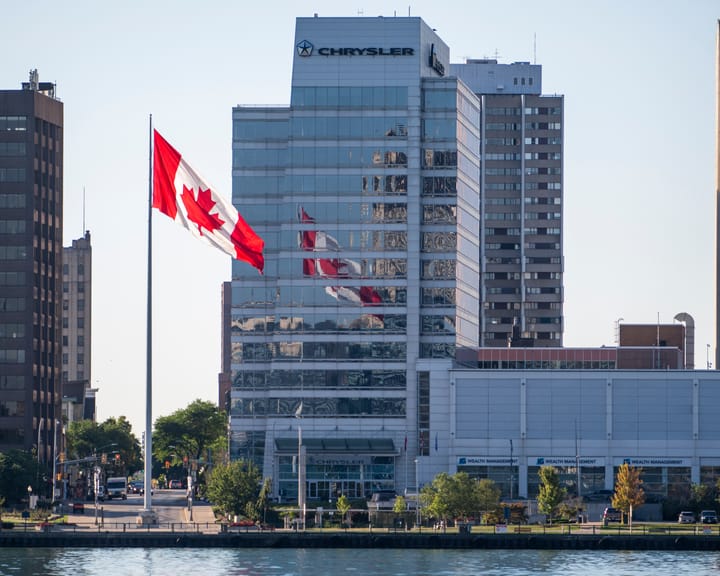
Canada implements retaliatory US tariffs as trade dispute intensifies
Canada’s retaliatory tariffs on about $20 billion worth of American imports took effect at 12.01am on Tuesday, ranging from 15% to 50% and applying to steel, dairy, appliances, agricultural equipment, pulp and paper, and electronics. The measures, a response to the United States’ 50% tariff on $20 billion

Prosecutor general resigns amid political turmoil in Kyiv during Ukraine war
Ukraine’s prosecutor general Ruslan Kravchenko resigned amid corruption accusations after anti-graft officers searched his offices at the weekend. He called the allegations “completely unsubstantiated” and denied wrongdoing. The National Anti-Corruption Bureau (NABu) and Specialised Anti-Corruption Prosecutor’s Office (Sapo) announced Saturday they uncovered a money-laundering