
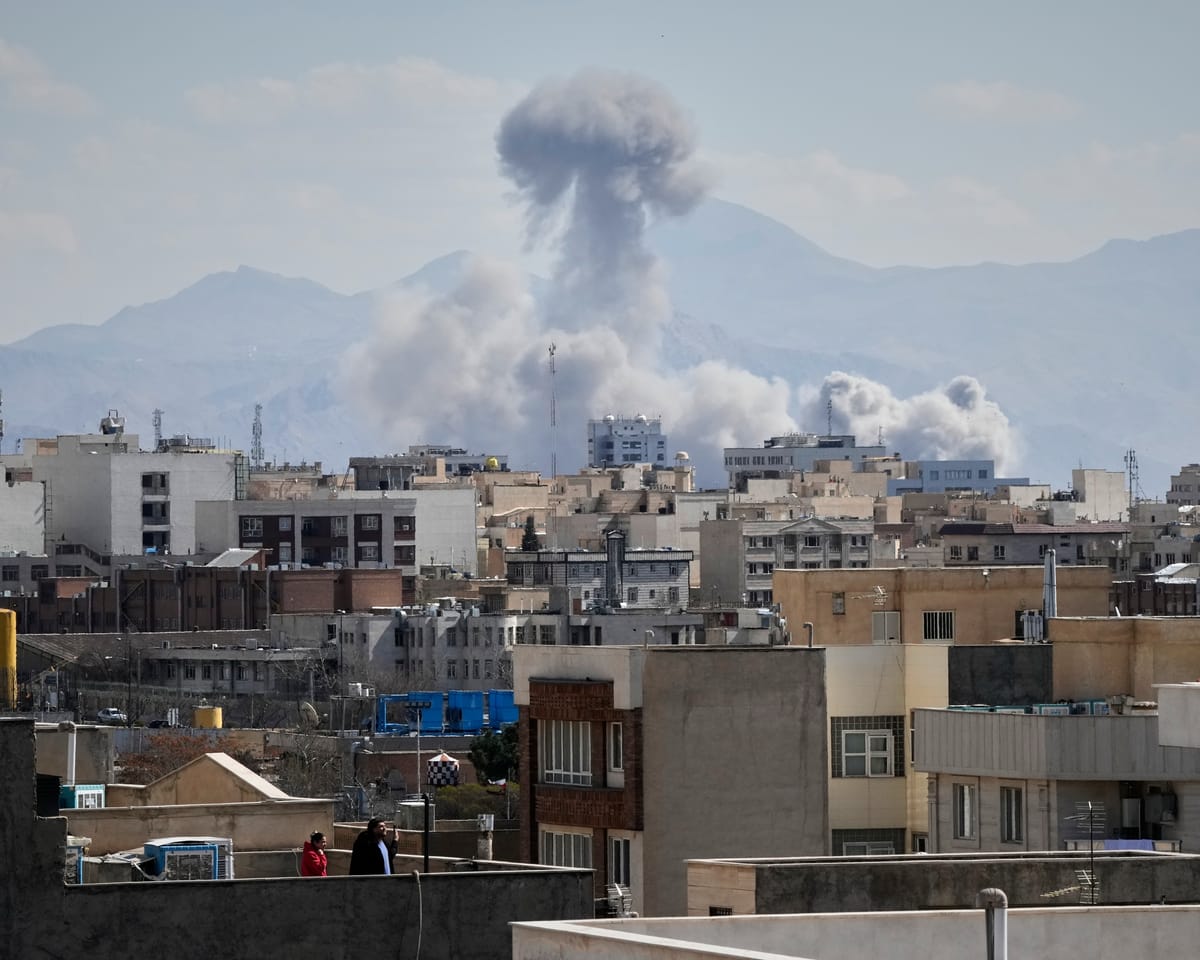
Israel and the United States have begun another round of heavy strikes across Iran on the second day of their operation aimed at toppling the regime, a move that has thrust the Middle East into a fresh regional clash with an uncertain timetable and outcome.
The fresh bloodshed on Sunday occurs alongside sharp exchanges between Washington and Tehran that hint at further escalation in the hours and days ahead.
President Donald Trump told reporters on Sunday that the United States would strike Iran “with a force never before witnessed” should Tehran act on its threats of retaliation after the supreme leader, Ayatollah Ali Khamenei, was killed in an Israeli air raid on Saturday.
“Khamenei, one of the most malevolent figures in history, is dead,” Trump posted on social media. “He could not evade our intelligence and advanced tracking systems, and, in close cooperation with Israel, there was nothing he or the other officials killed with him could accomplish.”
Trump said the purpose of the campaign, which started Saturday morning with a volley of missiles and air assaults, was regime change, urging “the Iranian people to reclaim their nation.”
In Tehran, a massive explosion sent a column of smoke skyward on Sunday morning and rattled the ground. The blast occurred near the nation’s police headquarters, the state television complex, the revolutionary court and a defence‑ministry building.
The Israel Defense Forces reported that its air arm was hitting “the heart of Tehran,” concentrating on neutralising Iran’s remaining air‑defence installations.
Amir‑Saeid Iravani, Iran’s ambassador to the United Nations, addressed an emergency Security Council session on Saturday, saying hundreds of civilians had been killed or wounded by the US‑Israeli attacks and that civilian districts in several cities had been deliberately targeted.
The combined US‑Israeli strike marks a new phase in American involvement in the Middle East and raises the prospect of a broader war in the area and months of turmoil. It is the second instance in eight months that the Trump administration has employed military force against Iran.
“This is a very serious and worsening situation, with growing risks of indiscriminate Iranian retaliatory attacks,” British defence secretary John Healey said on Sunday morning, accusing Iran of “lashing out.”
Iranian reprisals have been aimed at Israel as well as civilian infrastructure and US bases throughout the Gulf states. Witnesses reported loud explosions for a second consecutive day on Sunday in Dubai and over Qatar’s capital, Doha.
White plumes from intercepted missiles were spotted over Dubai, while thick dark smoke rose from its port, one of the region’s busiest harbours.
Read next
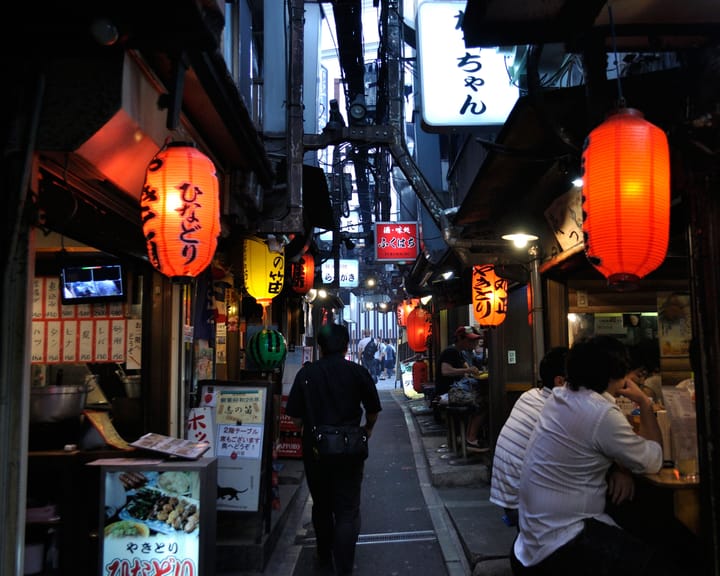
Tokyo tourist hotspot outlaws short-term rentals amid complaint surge
Shinjuku Ward, Tokyo, has moved to ban short-term rental accommodations in residential areas and near schools and important cultural sites, following a slew of complaints about visitor behaviour. The decision, to be enacted through a local ordinance, marks the latest sign that Japan’s patience with mass tourism is
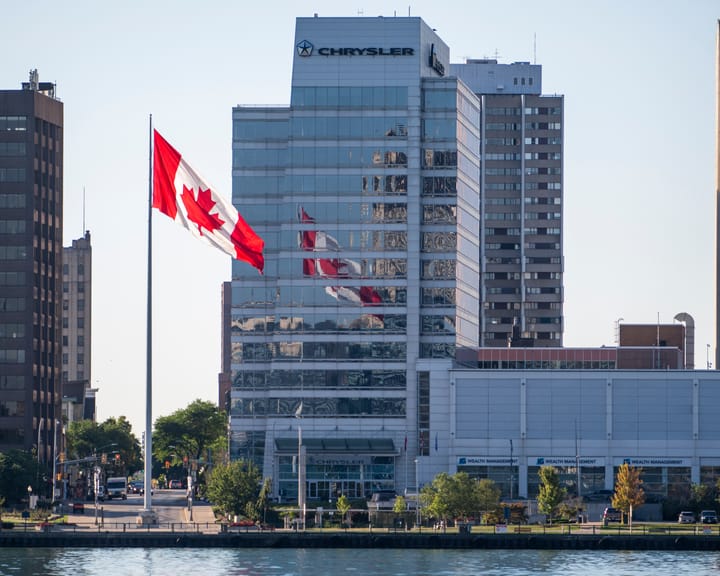
Canada implements retaliatory US tariffs as trade dispute intensifies
Canada’s retaliatory tariffs on about $20 billion worth of American imports took effect at 12.01am on Tuesday, ranging from 15% to 50% and applying to steel, dairy, appliances, agricultural equipment, pulp and paper, and electronics. The measures, a response to the United States’ 50% tariff on $20 billion
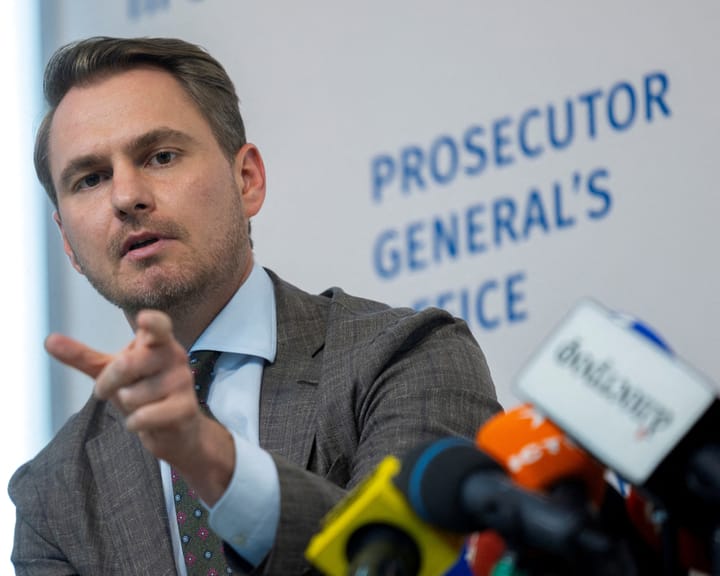
Prosecutor general resigns amid political turmoil in Kyiv during Ukraine war
Ukraine’s prosecutor general Ruslan Kravchenko resigned amid corruption accusations after anti-graft officers searched his offices at the weekend. He called the allegations “completely unsubstantiated” and denied wrongdoing. The National Anti-Corruption Bureau (NABu) and Specialised Anti-Corruption Prosecutor’s Office (Sapo) announced Saturday they uncovered a money-laundering