
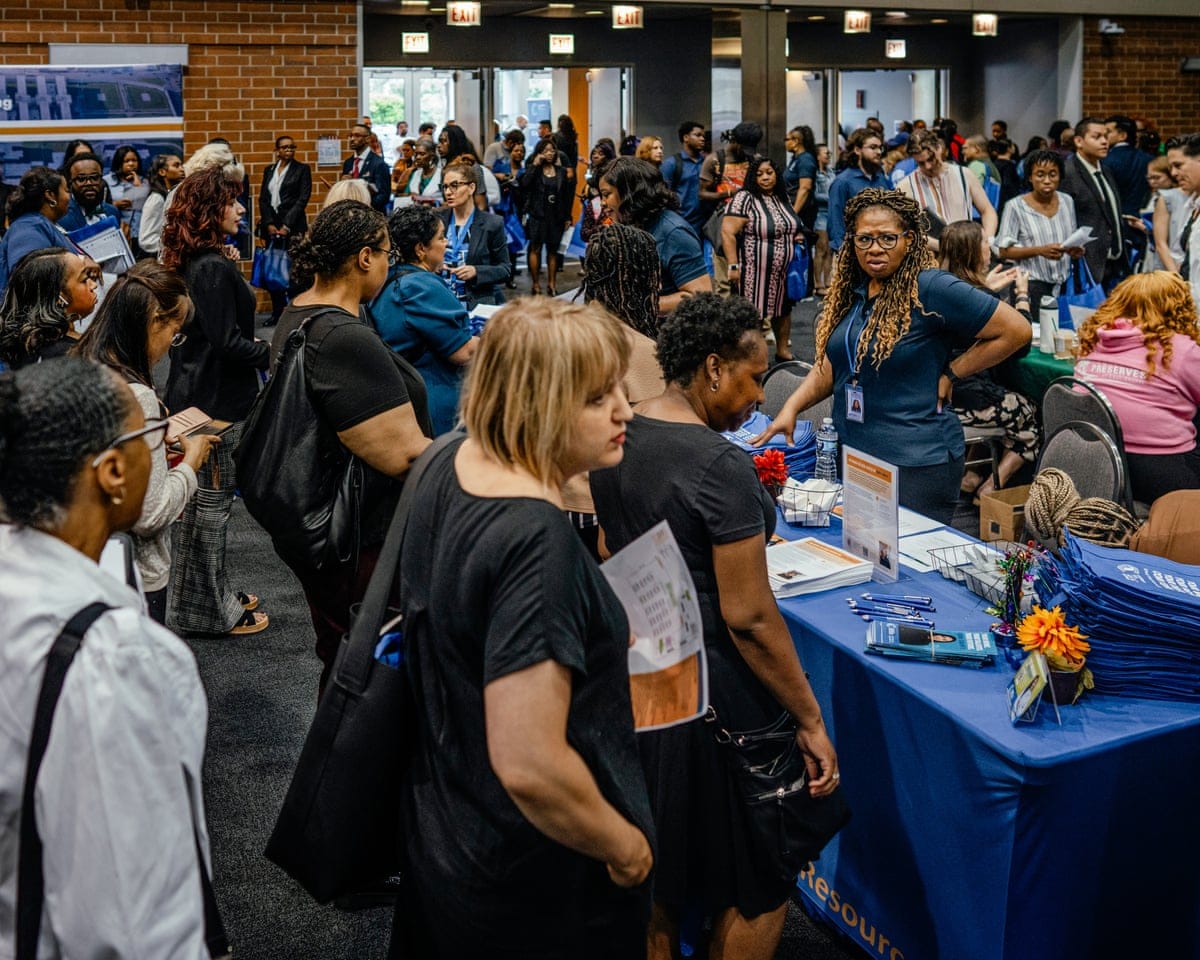
The U.S. economy saw an increase of 147,000 jobs in June, reflecting ongoing resilience in employment despite trade tensions under the current administration.
Job growth exceeded forecasts, as many analysts had predicted a decline. Instead, employment rose by 8,000 positions compared to May, according to data from the Bureau of Labor Statistics (BLS). The unemployment rate also edged down to 4.1%, from 4.2% the previous month.
Notable gains occurred in state government and healthcare, with 47,000 and 39,000 jobs added, respectively. In contrast, federal government employment continued to decline, shedding another 7,000 roles in May, following earlier reductions. Since January, federal job losses have totaled 69,000.
While trade policies have unsettled financial markets, which recovered after a 15% drop earlier this year, some analysts note that hiring trends may be slower to reflect the effects of these measures.
Recent reports indicated caution among employers. Private-sector employment fell by 33,000 in June, according to payroll firm ADP—marking the first decline since March 2023 and falling short of an anticipated 100,000 increase.
The reduction in job creation does not suggest widespread layoffs but rather fewer new positions being offered.
"Though dismissals remain uncommon, reluctance to hire and fill vacancies contributed to last month’s decline," said Nela Richardson, ADP’s chief economist.
BLS data on job openings showed a rise in May to the highest level since November, but most openings were in leisure and hospitality. Analysts at Citigroup suggested the surge may be short-lived, as companies adjusted hiring in response to stricter immigration policies that could affect work permits.
Officials have minimized the potential economic consequences of trade measures, despite concerns from businesses and consumers over rising costs.
Next week marks the end of a temporary hold on certain elevated tariffs as negotiations continue with multiple nations facing potential increases.
This week, an agreement was reached with Vietnam, avoiding a 46% tariff in favor of a lower rate. Similar arrangements have been made with other countries, but unresolved talks leave many exports at risk.
Amid economic fluctuations, criticism has been directed at the Federal Reserve and its leadership. Earlier this week, a public demand was made for reduced interest rates.
Read next
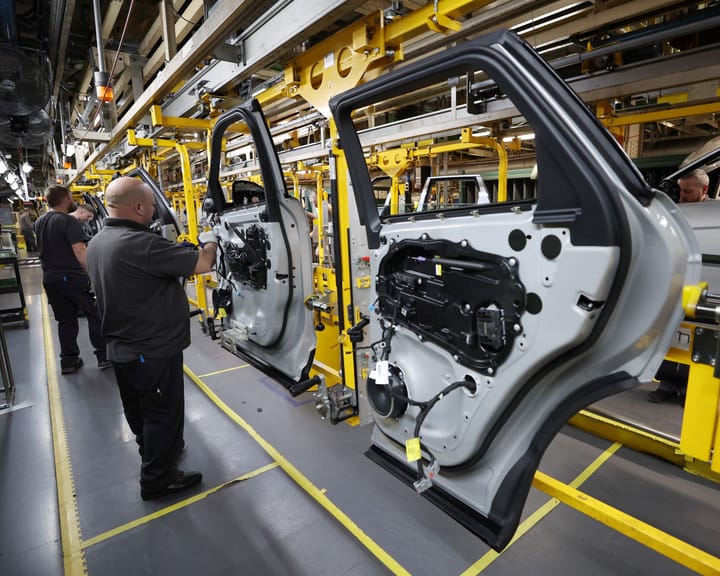
Jaguar Land Rover suppliers voice ‘everything is against us’ amid cutbacks
David Roberts, chair of Coventry-based Evtec, says the outlook for Britain’s automotive sector is grim, with “everything against us.” Evtec is a tier 1 supplier to Jaguar Land Rover, which this week announced 4,000 job cuts over two years despite chancellor John Healey’s attempt to talk

Europe’s fighter jet plans in disarray: what comes next?
When former ECB president and Italian PM Mario Draghi urged Europe to catch up economically with the US and China, defence collaboration was prescribed. No more should each nation build independent boats, tanks or jets; allies should share costs and technologies.
Europe stumbled at the first hurdle. German Chancellor Friedrich
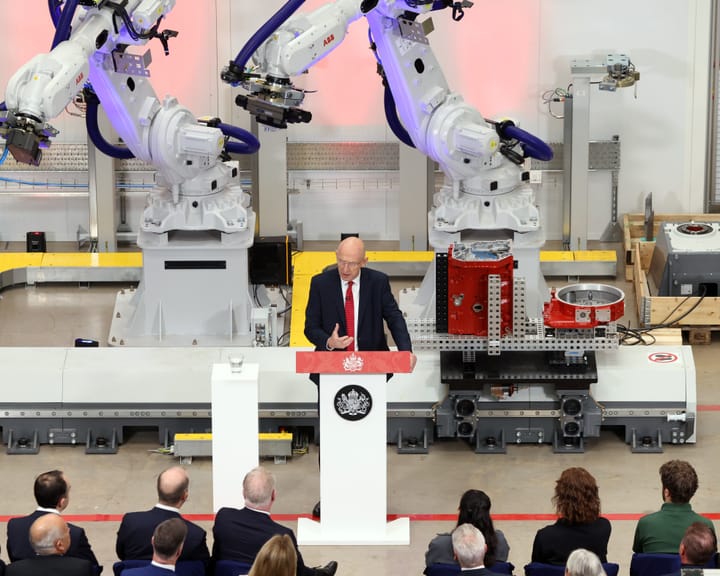
John Healey supports growth but insists Labour must be truthful about spending
John Healey has stated that his primary goal as chancellor will be to boost economic growth, while acknowledging that Labour must be straightforward about controlling public spending at next month's budget.
In his first major address since assuming the role in July, Healey said the leading focus of