
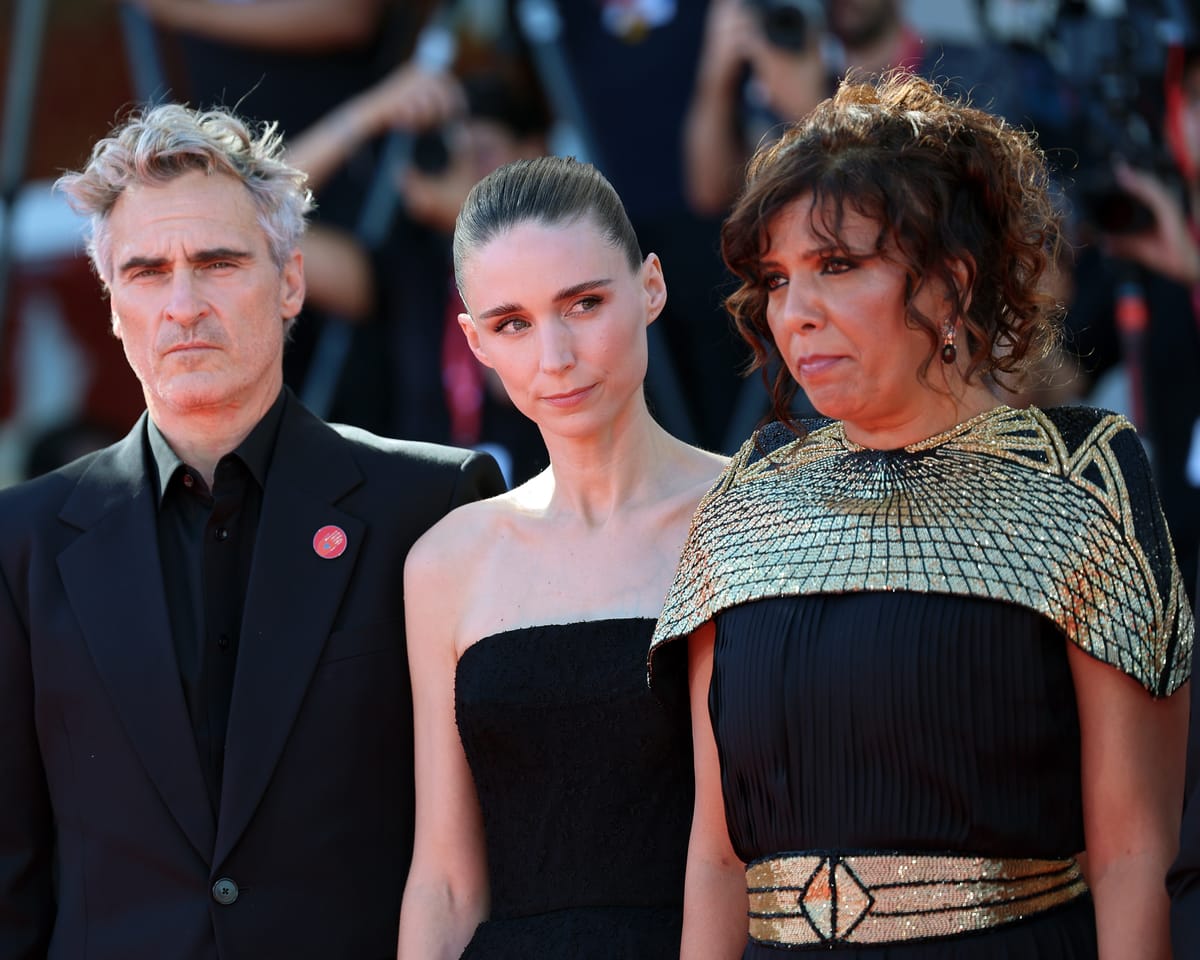
For most of its 82 years, Venice has maintained its reputation as one of the world’s most prestigious film festivals. This year was no different, with prominent actors such as Julia Roberts, Cate Blanchett, Jude Law, and George Clooney appearing along the canals and on the red carpets (though Law stumbled on a water taxi, and Clooney fell ill).
However, the films themselves took on a different tone. Jury president Alexander Payne initially dismissed questions about contemporary issues during his opening press conference, focusing solely on cinema, but the films selected this year proved to be deeply engaged with pressing global concerns.
The standout works were intense, real-time narratives—directed by women—that confronted harrowing real-world tragedies many hesitate to address, much less depict on screen.
Near the festival’s conclusion, *The Voice of Hind Rajab*, Kaouther Ben Hania’s reenactment of the killing of a five-year-old girl in Gaza by Israeli forces, received a 23-minute standing ovation, with shouts of “Free Palestine” echoing through the auditorium.
The film incorporates the actual recording of Rajab’s desperate call to emergency services, pleading for help after Israeli tank fire killed her family members, leaving her trapped in a car. During the January 2024 incident, the ambulance sent to rescue her was also attacked, resulting in the deaths of two paramedics. Rajab’s body, along with those of her relatives and the paramedics, was recovered 12 days later.
Speaking at the festival, Ben Hania stated: “I felt compelled to act, to avoid silence. I have no political influence. I’m not an activist. All I have is this medium I’ve worked with—cinema. At least with this film, I didn’t stay quiet.”
In another stark portrayal, Kathryn Bigelow’s *A House of Dynamite*, her first film in eight years, repeatedly subjected audiences to the tense 18-minute countdown from the launch of a nuclear strike on the US to its impact, shifting perspectives between a soldier, a military leader, and the president (played by Idris Elba). Bigelow described the film as an urgent effort to reignite discussions about nuclear disarmament.
“The film asks viewers to decide what should be done with these weapons,” she said. “How is wiping out the world a form of defense?”
Elsewhere, films reinforced the idea that cinema is increasingly serving as an immediate medium for processing global turmoil. Yorgos Lanthimos’s *Bugonia* stars Emma Stone as a high-ranking executive abducted by conspiracy theorists who believe she is an alien bent on Earth’s destruction. The director framed the film as a metaphor for inaction in the face of climate disaster, stating: “Humanity is approaching a critical moment. People must choose wisely—there isn’t much time left.”
Read next
Sebastian Barry's The Newer World: a near-miracle of storytelling review
Sebastian Barry’s latest novel, *The Newer World*, gives voice to Tennyson Bouguereau, a formerly enslaved man navigating post-Civil War America. Through Tennyson’s recollections, the narrative revives the perennial question: is history better served by novelists or historians? Historians might demur, but as Barry illustrates, fiction can fill
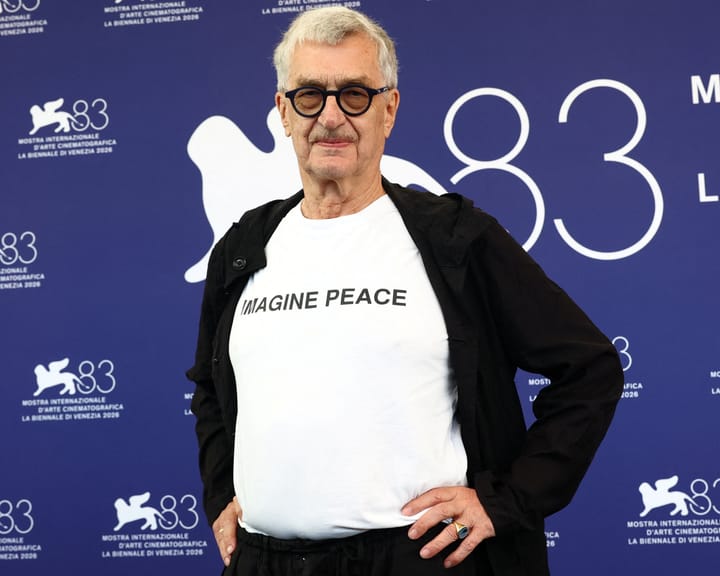
Wim Wenders says film-makers should not avoid political involvement
Filmmaker Wim Wenders has clarified his earlier comments on the relationship between cinema and politics. Speaking at the Venice film festival, he stated that he does not believe filmmakers should completely avoid political engagement.
Earlier in the year, while serving as jury president at the Berlin film festival, Wenders told
The week around the world in 20 images
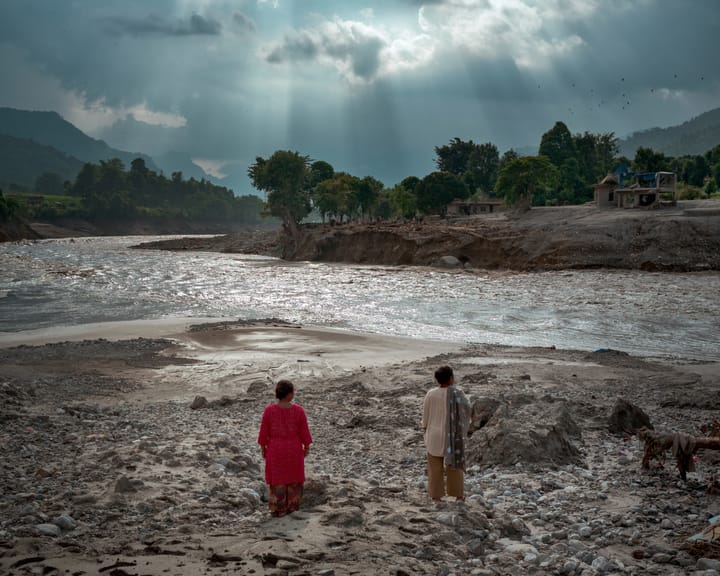
The week witnessed a series of catastrophic events, including the devastating floods along the Nepal-Tibet border, Russian missile attacks on Kyiv, the rapid spread of the Plaskett Fire across California, and the vibrant celebration of the Notting Hill carnival. The following images, captured by top photojournalists, document these moments.