
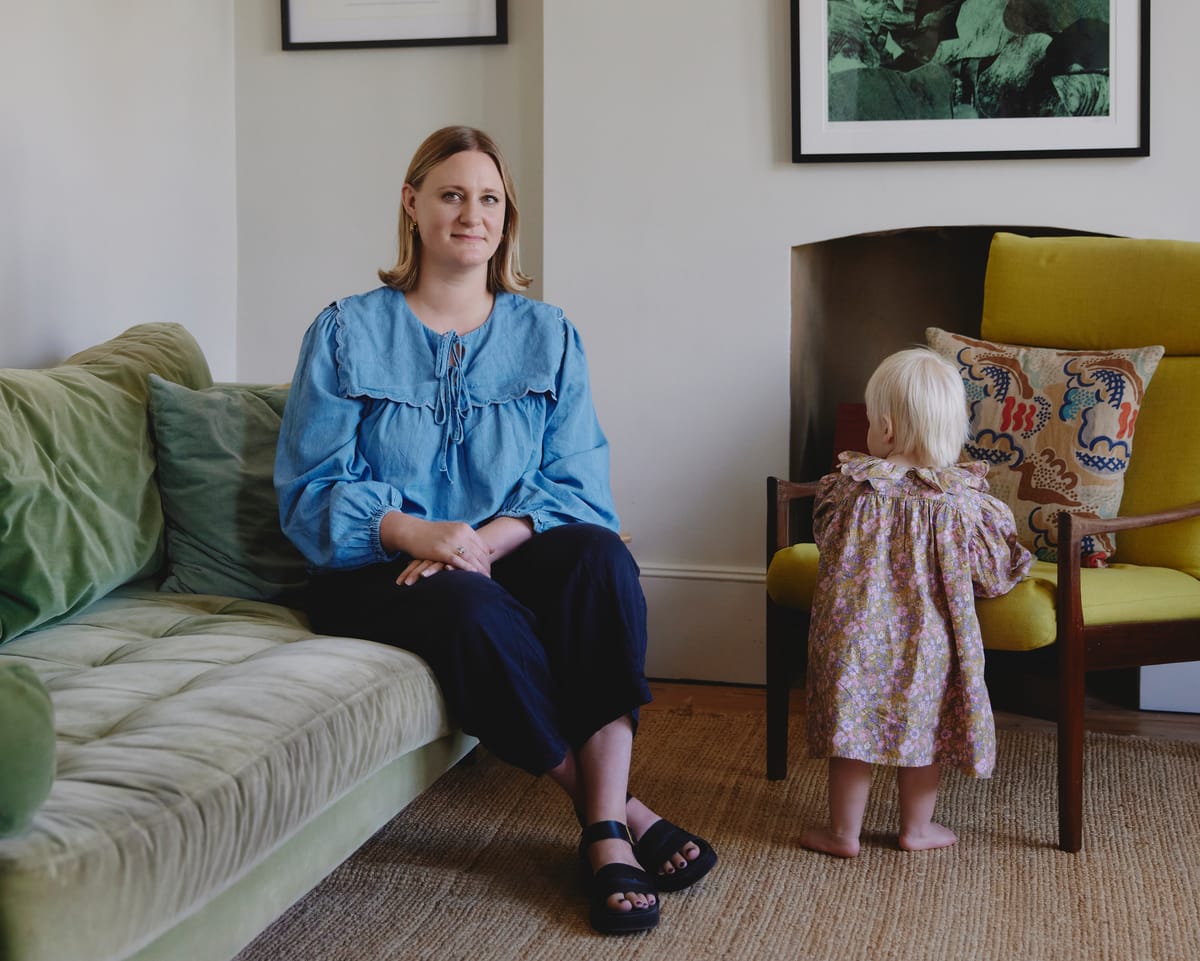
In February of this year, I first realized something was wrong. I was nearing the end of my maternity leave with my second child and had recently transitioned from making wedding cakes to styling food, which I enjoyed. Between caring for my children with my husband, Chris, and taking on work, I was stretched thin, but life felt full.
That week, after finishing a demanding project, I felt exhausted. Flashing lights appeared in my vision. I thought it was a migraine—something I’d experienced as a teen—and dismissed it.
The next day, we traveled from London to visit my parents. When I woke, everything looked unnaturally bright and sharp, as if the world had been electrified. My vision was filled with a strange haze.
I mentioned it to my husband and mother, who suggested it was likely another migraine. But the sensation lingered the following day, making me dizzy and uneasy.
A few nights later, while putting my son to bed, I struggled to see his face clearly. Panic set in. Was I losing my sight? At 39, that seemed impossible. I didn’t have a headache, so migraine seemed unlikely.
I went to A&E. The eye specialist found no issues, so I tried to ignore it.
Days later, working in a brightly lit studio, the same overwhelming sensations returned. Back at A&E, doctors again dismissed it as a migraine that would pass.
Except it didn’t. I recorded my symptoms: persistent after-images, extreme light sensitivity, and unsteadiness in dim light. Tremors in my hands and face, constant visual distortion, and a heavy mental fog followed.
Fearing a brain-related issue, I booked a private neurologist, but the earliest appointment was weeks away. An MRI showed nothing unusual.
Doubt crept in. Was I imagining it? There was no explanation—just this relentless sensory disruption. I felt like I was losing control.
Searching my symptoms, I discovered "visual snow syndrome." It seemed improbable—an obscure condition affecting a small percentage of people. Yet every description matched my experience.
By April, the neurologist confirmed the diagnosis. Little is known about it, and there’s no cure. She suggested epilepsy medication but couldn't guarantee results. The diagnosis was affirming yet devastating. Few, even doctors, had heard of it.
Now, I’ve adjusted my way of living. Some days are easier, depending on stress or rest. I often rely on sunglasses to cope.
Read next
Let Your Mind Roam, Skip Retirement, and Quit Fretting: Unexpected Strategies to Shield Your Brain from Cognitive Decline
How can thinking about brain change rather than cognitive decline alter the way we think and remember?
Dr Norman Swan: There are three things you need to know which are not widely known.
Think cognitive change not cognitive decline: one way people think about our cognitive function is by comparing
Panic Attack on Public Transport Unveiled a Shocking Secret That Transformed My Life
In 2000, the writer had been living in London for just over a decade and working at EMI Records for five years. Having moved to Brixton from Surrey in the late 1980s, they noticed a growing sense of anxiety and claustrophobia, particularly on public transport.
The situation worsened, leading to
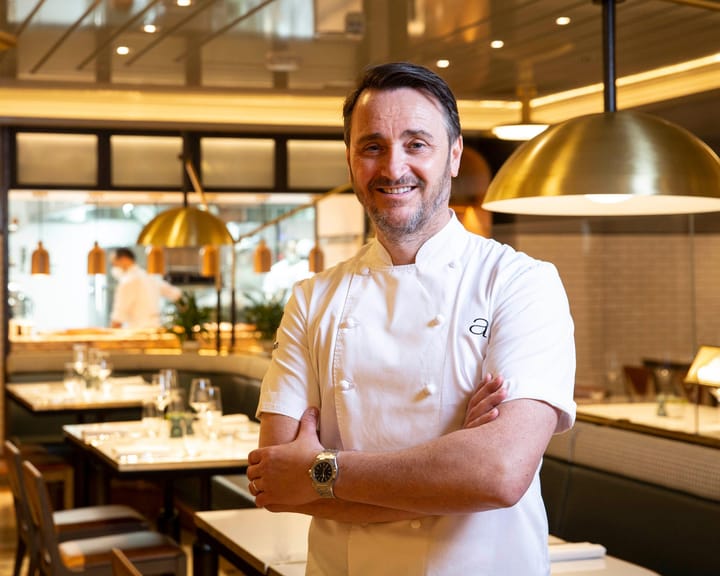
Michelin Chef Opens Overseas Eateries to Counter UK Tax Pressures
A British Michelin‑starred chef says he is opening restaurants abroad to help subsidise his UK venues amid high taxes and a troubled hospitality sector.
Jason Atherton is currently in Forte dei Marmi on the Tuscan coast, where he is readying his newest venture, Maria’s, located in the Principessa