
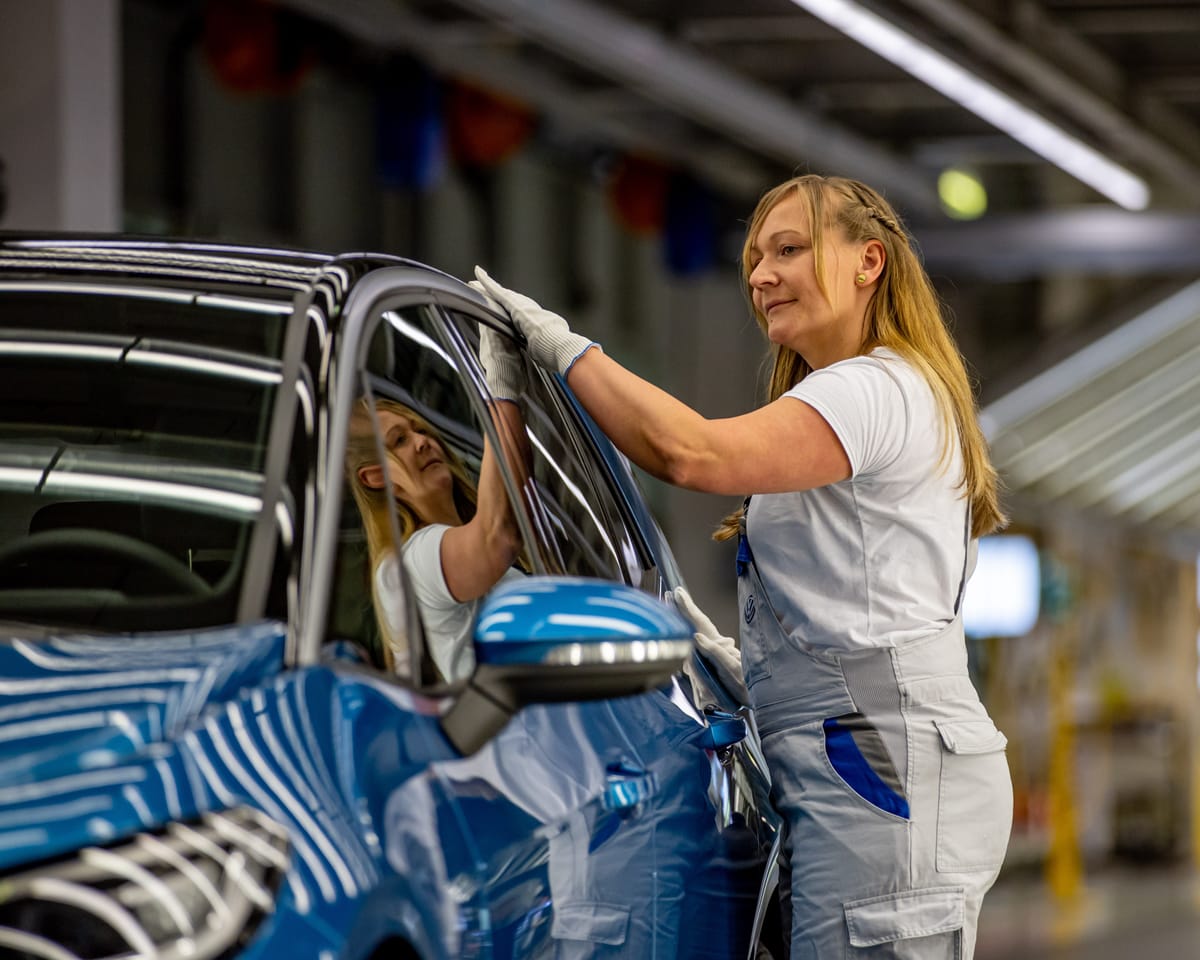
Volkswagen will temporarily halt operations at two of its German facilities due to declining interest in fully electric vehicles.
The automaker will suspend production for one week in mid-October in Dresden, as well as at its electric vehicle (EV) factory in Zwickau, which manufactures six EV models for Volkswagen, Audi, and Cupra.
Additionally, work hours will be reduced by one day per week at a third plant in Osnabrück, Lower Saxony.
The move by a company often seen as a pillar of Germany’s industrial strength may signal challenges for the European Union’s goal of transitioning to electric mobility within the next decade.
Adjustments are also being weighed at a fourth plant in Emden, where the ID.4 and ID.7 are produced.
Zwickau, once known for combustion-engine vehicles, shifted entirely to EV manufacturing after its last gasoline-powered car was assembled in 2020, marking the end of 116 years of traditional production, including the iconic Trabant before Germany’s reunification.
Stellantis, the parent company of Fiat and Peugeot, has also announced pauses at several European factories, citing similar market conditions.
A Volkswagen representative stated, “Production schedules are being adjusted to align with current demand for models across our facilities. Some plants will see shifts canceled in the coming weeks, while others may introduce additional shifts.”
Meanwhile, extra weekend shifts will be scheduled at Volkswagen’s Wolfsburg facility, the historic center of its operations and combustion-engine vehicle output.
Last month, EV sales slowed while hybrid sales surged, reflecting persistent consumer concerns over driving range and charging accessibility.
Figures from the European Automobile Manufacturers’ Association indicate strong EV adoption in Norway but slower uptake elsewhere in Europe. Southern Europe, where charging infrastructure remains limited, shows especially low demand.
Currently, electric vehicles account for just 16% of new car purchases, with hybrids at 37%.
Chinese automakers are gaining ground in Europe, with sales of the BYD brand rising by nearly 250% in the first eight months of this year compared to the same period in 2024.
Last week, Volkswagen CEO Oliver Blume noted that manufacturers are facing “significant shifts,” with “a noticeable decline in demand for battery-electric cars.”
Though the company’s ID series ranks among the EU’s best-selling EVs, the ID.4 has been particularly affected by U.S. tariffs introduced under former President Donald Trump.
According to Volkswagen, nearly half of its global EV registrations originate from the Zwickau plant.
Read next
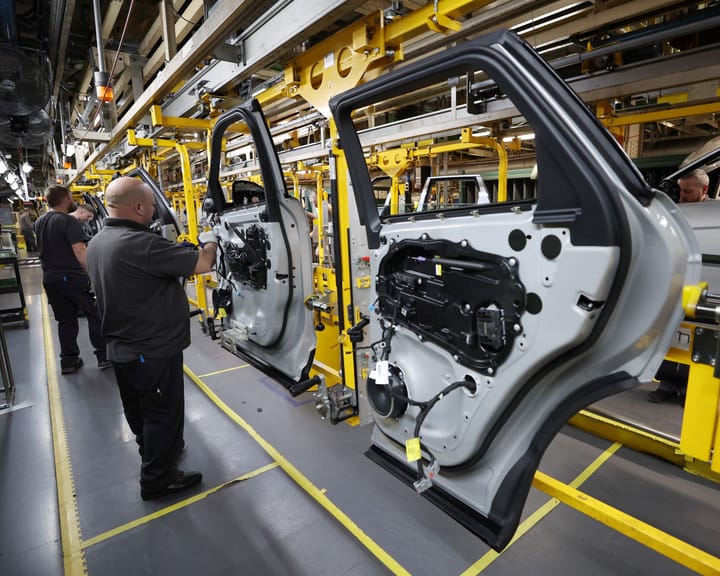
Jaguar Land Rover suppliers voice ‘everything is against us’ amid cutbacks
David Roberts, chair of Coventry-based Evtec, says the outlook for Britain’s automotive sector is grim, with “everything against us.” Evtec is a tier 1 supplier to Jaguar Land Rover, which this week announced 4,000 job cuts over two years despite chancellor John Healey’s attempt to talk
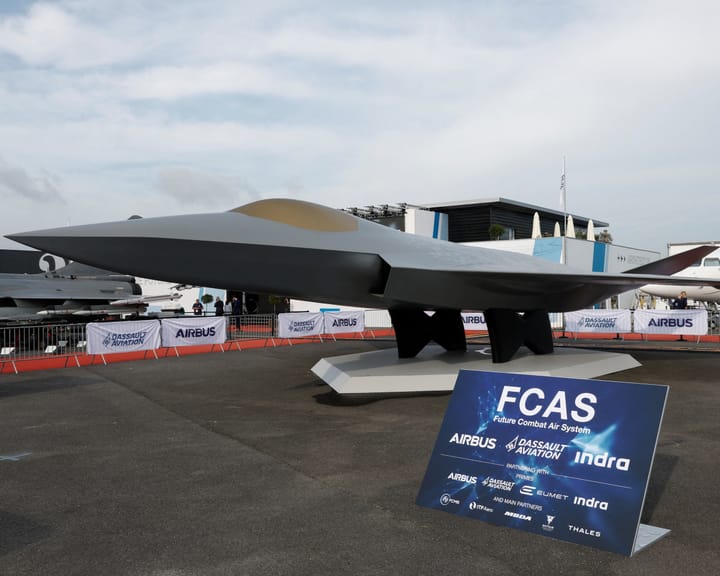
Europe’s fighter jet plans in disarray: what comes next?
When former ECB president and Italian PM Mario Draghi urged Europe to catch up economically with the US and China, defence collaboration was prescribed. No more should each nation build independent boats, tanks or jets; allies should share costs and technologies.
Europe stumbled at the first hurdle. German Chancellor Friedrich
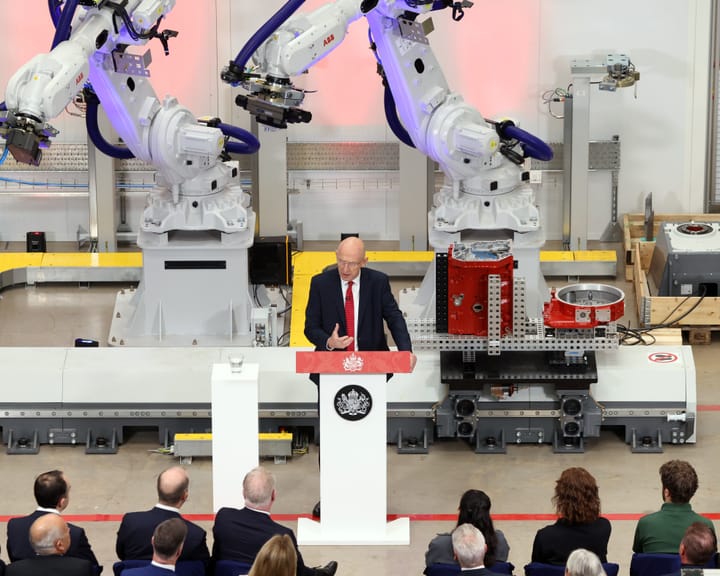
John Healey supports growth but insists Labour must be truthful about spending
John Healey has stated that his primary goal as chancellor will be to boost economic growth, while acknowledging that Labour must be straightforward about controlling public spending at next month's budget.
In his first major address since assuming the role in July, Healey said the leading focus of