
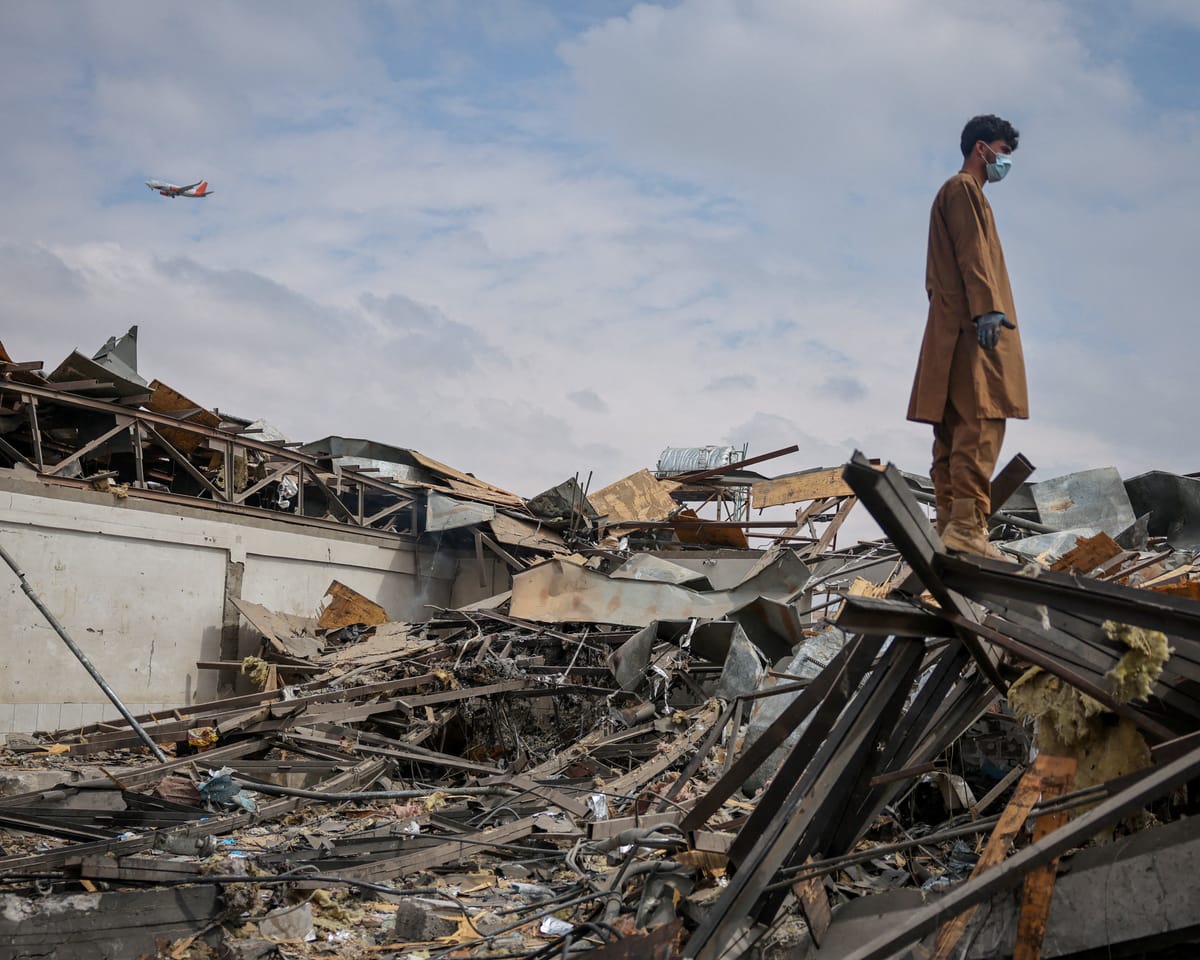
Eyewitnesses and survivors have recounted the dreadful aftermath of a Pakistani air strike that struck a drug‑rehabilitation centre in Kabul, leaving more than 400 people dead, many of whom burned in their beds or were crushed as the structure collapsed.
Afghan rescue teams continued to pull bodies from the debris on Tuesday, the deadliest single assault so far in a three‑week conflict between the two nations.
Ambulance driver Haji Fahim said he reached the hospital to find “everything was on fire, people were burning”.
“Early this morning they called me back and told me to return because bodies were still trapped under the rubble,” he told Reuters.
While a few buildings remained upright, most of the compound had been reduced to charred wreckage. Bunk beds lay exposed after roofs gave way, with blankets, mattresses and shoes scattered about. Patients who survived, all dressed in green uniforms with shaved heads, gathered in a courtyard.
Afghan interior‑ministry spokesperson Abdul Mateen Qanie reported that 408 people were killed and 265 injured at the state‑run Omid hospital, which was hit late on Monday evening. Officials did not explain how the death toll was calculated, though numerous eyewitnesses described a mass‑casualty event.
The Norwegian Refugee Council, an independent aid organisation, said its staff had witnessed large numbers of casualties. “We visited the Kabul hospital for addicts this morning and found hundreds of civilians dead and wounded,” the group said in a statement.
Yousaf Rahim, a patient, said everyone was inside the wards when the explosion occurred. “My bed was in the corner, and I was injured in the leg and thigh. It was a horrific scene. Patients fell from their beds, screaming and fleeing as fire and smoke filled the wards and rooms,” he said.
“Thick smoke and dust filled the hospital,” he added. “Many people lay on the floor. Dozens died instantly, and the seriously injured were pleading for help. I didn’t know what to do. I stepped over bodies and managed to get out.”
Mohammad Mian, who works in the hospital’s radiology department, said many young people undergoing treatment lived in large containers on the campus and very few survived the strike.
“It was extremely terrifying,” he said. “Those who survived were the ones whose rooms were not destroyed and were lucky. But in the areas where the bombs hit, everyone there was killed.”
The UN called for an independent inquiry into the killings. The organisation’s human‑rights spokesperson Thameen Al‑Kheetan told journalists in Geneva that the “tragic blast” must be investigated promptly, independently and transparently. “Victims and their families are entitled to reparations,” he added.
The confrontation, which intensified in February when Pakistan launched air strikes on militant targets in Afghanistan, is the worst ever between the neighbours who share a 2,600 km (1,600‑mile) border.
Read next

Live Middle East crisis: Iran promises retaliation for security chief's death; Israel hints at imminent strike on Beirut
Iran’s armed forces pledged retaliation for the death of security chief Ali Larijani in an Israeli strike, with the army commander warning of a “decisive and regrettable” response.
Tehran also verified that Basij commander Gholamreza Soleimani was killed, after Israel had earlier asserted that its forces carried out the
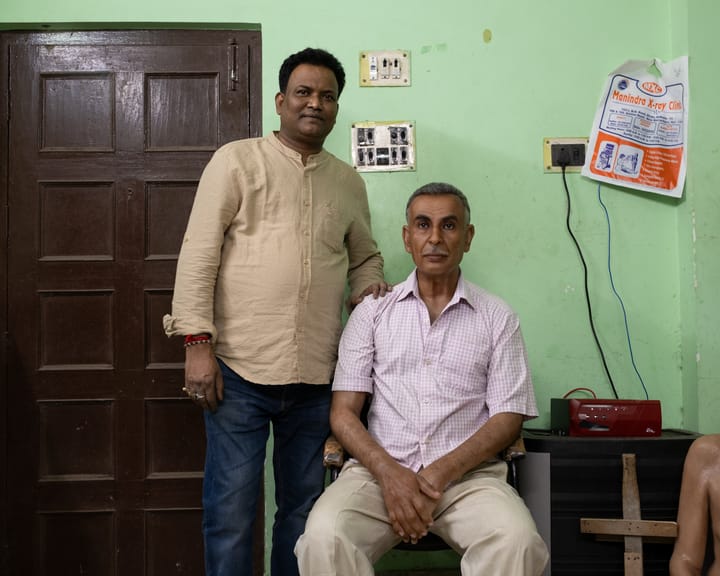
‘Almost human’: life-size replicas of the dead aid broken hearts in India
In northern Kolkata, close to Dum Dum Junction, Subimal Das and a team of about 80 operate out of an aging factory‑warehouse. With clay, fiberglass and silicone they produce life‑size copies of religious deities, cultural personalities, cricketers and film actors.
The workshop also offers a growing service: bespoke
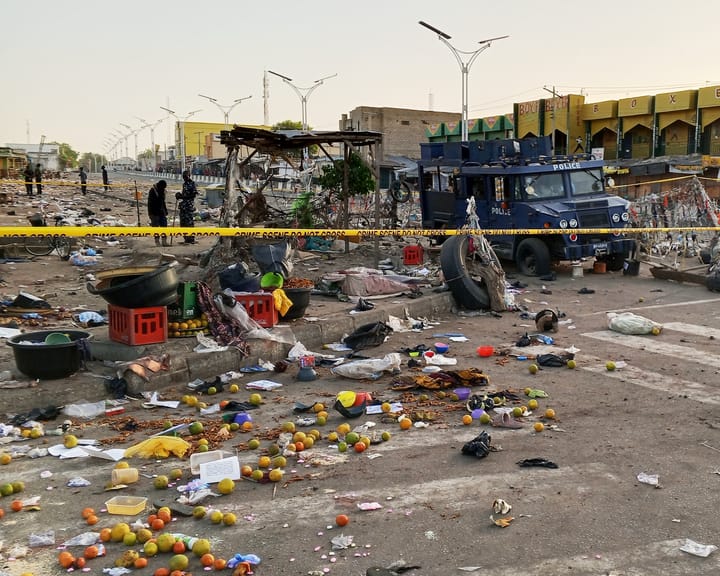
At least 23 Dead in Suspected Suicide Attacks in Nigeria's Northeast.
At least 23 people were killed and more than 100 injured in a series of suspected suicide bombings in the north‑eastern Nigerian city of Maiduguri, undermining its recent image as a relative haven of peace while a long‑standing insurgency has been driven into the countryside.
Officials reported that