
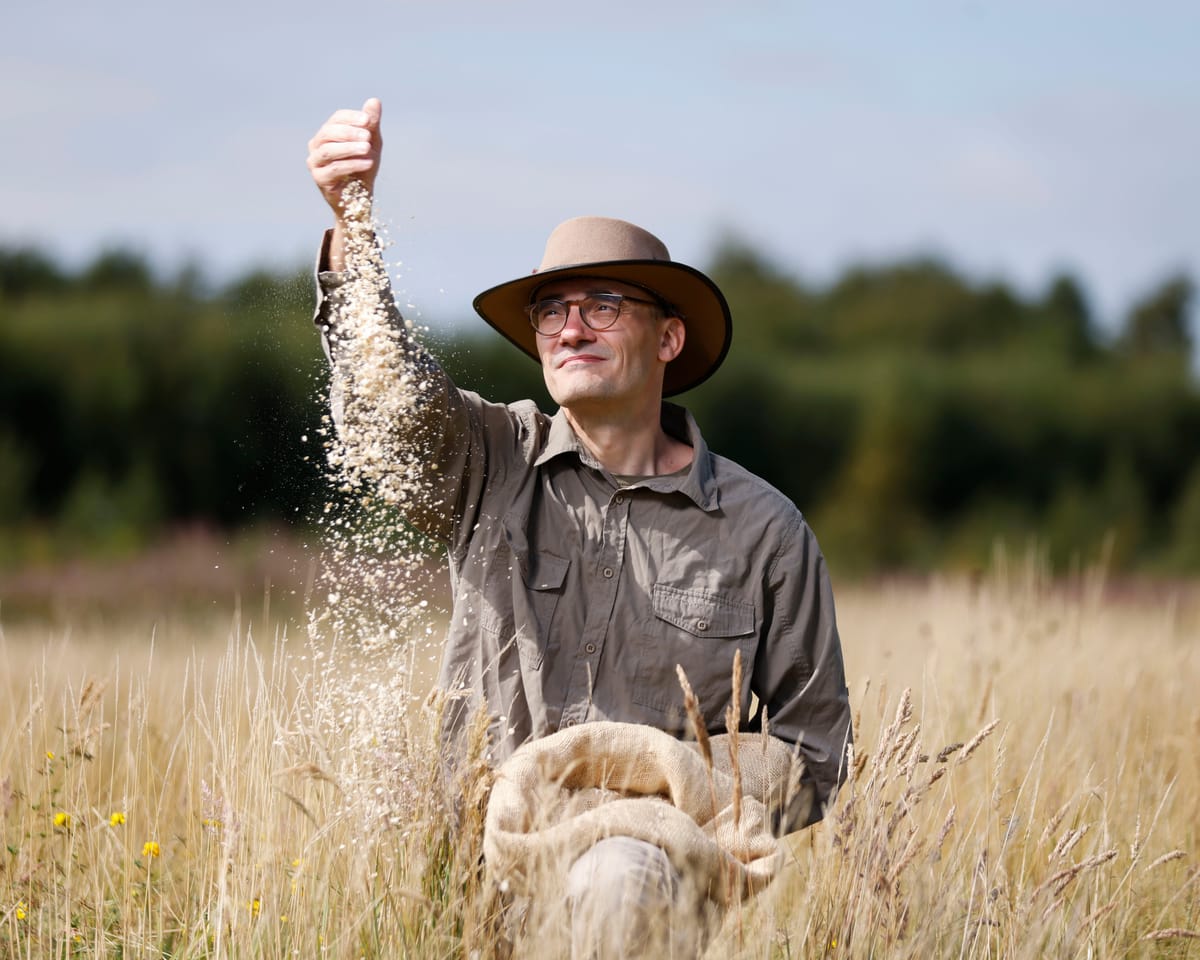
In 2020, while on a camping trip with a friend from Sweden, we drove through Carrbridge—a village in the Scottish Highlands, roughly two hours from my home in Aberdeenshire. A sign caught our attention: "Welcome to the Home of the World Porridge Championship."
It vaguely reminded me of seeing the competition on the news as a child. When my friend looked it up, he discovered that recent winners had been from Sweden. Teasingly, he said, "We make better porridge than you." I thought, "We'll see about that." Two years later, I decided to compete.
I work as an app developer but enjoy cooking in my free time. I taught myself after a severe case of food poisoning in my mid-20s left me wary of others' cooking. In 2020, I even started a YouTube channel documenting meals I prepare on camping trips. Still, I had no idea what to expect from the competition.
The event began in 1996 to highlight Carrbridge and promote porridge as a nutritious meal. Contestants come from around the world—India to Australia—and participants are chosen by random selection, as only 30 spots are available. The entire event is organized by local volunteers, who take great pride in their work, dedicating most of the year to preparations. It's a warm and inclusive gathering.
The contest has two parts. The first is a "traditional porridge" round, where only three ingredients are allowed: water, oats, and salt. The second is a specialty round, permitting any recipe containing oats. Both dishes must be prepared simultaneously on a camping stove within 30 minutes.
There are five preliminary rounds, each with six contestants, followed by a final featuring the top six. Judges assess taste, texture, colour, and seasoning but offer no feedback, making their preferences difficult to predict.
The first time I competed, I didn’t advance past the heats. I realized that with more effort, I might do better. So, I experimented with various oat blends and salts. In 2023, I reached the finals.
By then, I was fully invested. Before last year’s competition, I researched the science behind porridge. Oats are 60% starch, which begins gelatinizing between 60°C and 92°C, absorbing the most water. Beyond 92°C, they can burst, creating a gluey texture. I used a thermometer to keep my porridge below that threshold—likely a first for the competition. I also chose Himalayan pink salt for its subtle sweetness.
To my surprise, I won. Adam, the previous year’s champion, was the first to congratulate me.
Read next

Let Your Mind Roam, Skip Retirement, and Quit Fretting: Unexpected Strategies to Shield Your Brain from Cognitive Decline
How can thinking about brain change rather than cognitive decline alter the way we think and remember?
Dr Norman Swan: There are three things you need to know which are not widely known.
Think cognitive change not cognitive decline: one way people think about our cognitive function is by comparing

Panic Attack on Public Transport Unveiled a Shocking Secret That Transformed My Life
In 2000, the writer had been living in London for just over a decade and working at EMI Records for five years. Having moved to Brixton from Surrey in the late 1980s, they noticed a growing sense of anxiety and claustrophobia, particularly on public transport.
The situation worsened, leading to
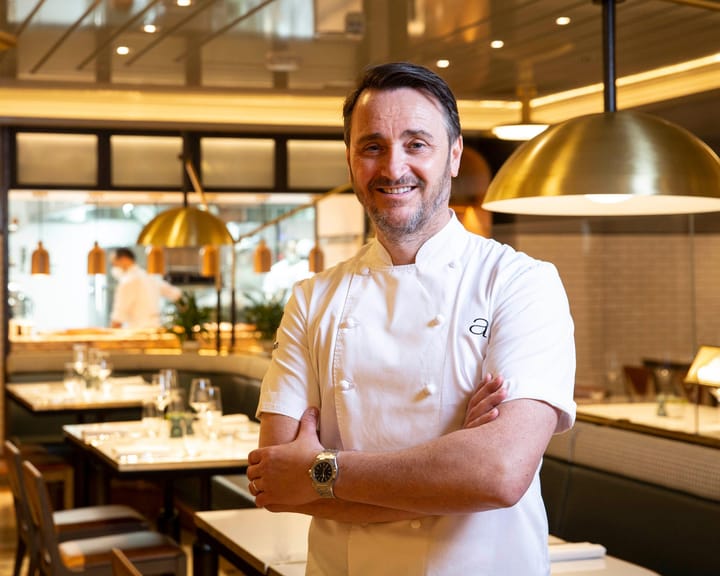
Michelin Chef Opens Overseas Eateries to Counter UK Tax Pressures
A British Michelin‑starred chef says he is opening restaurants abroad to help subsidise his UK venues amid high taxes and a troubled hospitality sector.
Jason Atherton is currently in Forte dei Marmi on the Tuscan coast, where he is readying his newest venture, Maria’s, located in the Principessa