
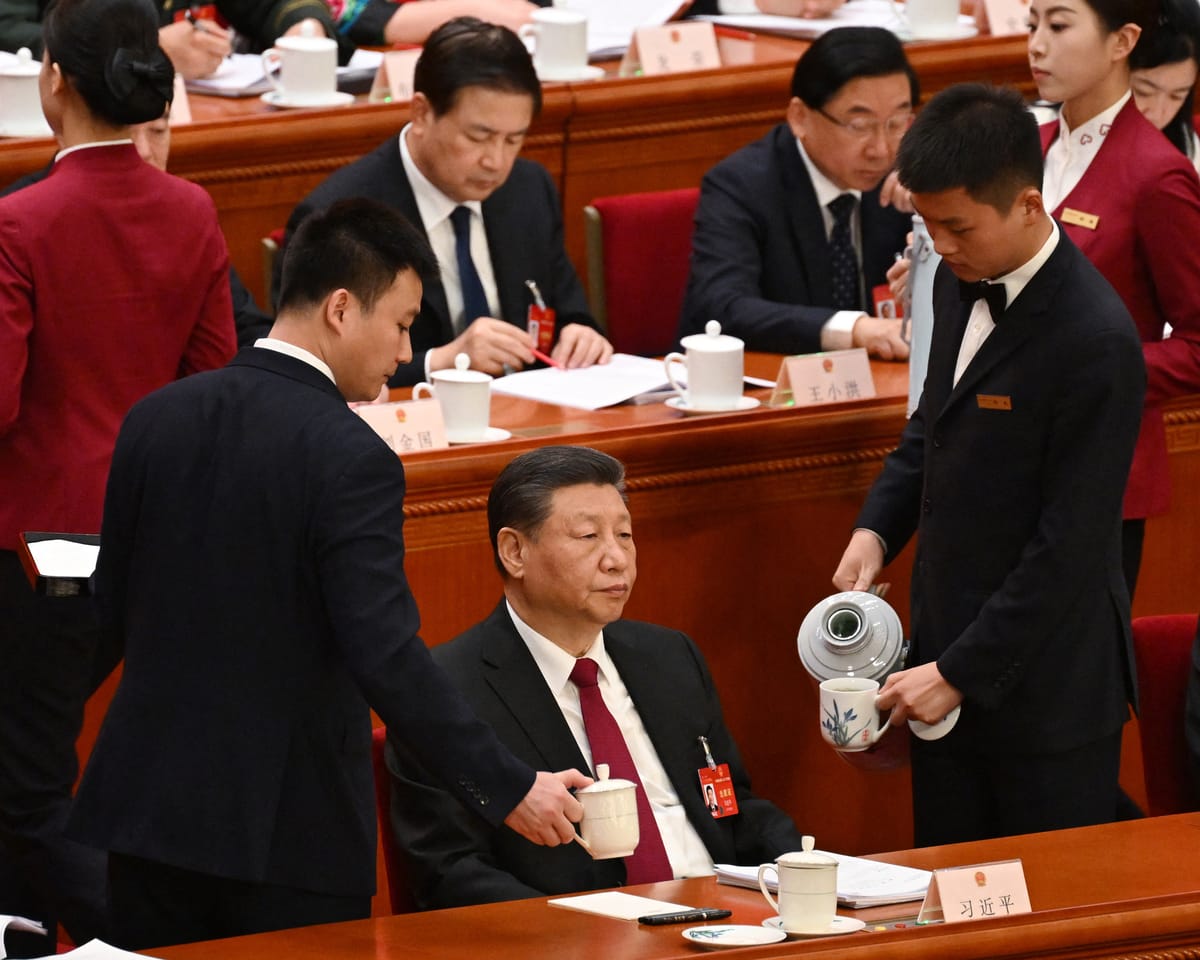
Thousands of representatives will converge on Beijing this week for China’s annual Two Sessions, one of the most significant events on the nation’s political calendar and a rare chance for international journalists to observe the country’s senior legislators up close.
The “Two Sessions” consist of simultaneous meetings of the National People’s Congress (NPC) and the Chinese People’s Political Consultative Conference (CPPCC), an advisory assembly.
Between the two, the NPC—China’s legislature—holds greater weight. It can amend the constitution, appoint officials, pass laws and sanction the budget. In 2018 the NPC altered the constitution to eliminate presidential term limits, and in 2023 it re‑elected Xi Jinping for an unprecedented third term.
In practice, however, the Chinese Communist Party (CCP) outweighs any state institution, and the NPC functions largely as a rubber‑stamp body, having never rejected an item on its docket. Real decisions are taken by the CCP in separate gatherings.
Nevertheless, the CPPCC’s opening on Wednesday and the NPC’s on Thursday will be marked by full ceremonial display. The NPC is the venue where the government presents its annual work report, setting out objectives for the coming year, including the GDP growth target, which this cycle is expected to fall below 5 % for the first time.
This session is also notable because it will officially launch the 15th five‑year plan, the economic blueprint that outlines Beijing’s priorities for 2026‑2030.
“This will be an unusually busy Two Sessions,” says Ruby Osman, senior policy adviser at the Tony Blair Institute for Global Change. “The Two Sessions usually tell us what Beijing intends to do over the next twelve months. This year they will also outline a far broader strategy for navigating a decisive period of geopolitical and technological change,” she adds.
Osman warned that a “mismatch” may emerge between the short‑term goals in the annual work report and the longer‑term aims of the five‑year plan, highlighting that Beijing views innovative capacity—and the ability to withstand U.S. pressure—as its core structural challenge.
The 2026‑2030 horizon is crucial for China’s strategic ambitions. Xi aims for the military to be capable of a successful operation against Taiwan by 2027 and requires an economy that can sustain itself and resist possible sanctions to back that scenario. Taiwan is a self‑governing island claimed by Beijing, which has not ruled out using force to “reunify” it with the CCP‑ruled People’s Republic of China.
Accordingly, the 15th five‑year plan is expected to emphasize industrial self‑reliance. China seeks to enhance its domestic production of the most advanced semiconductors, thereby mitigating the impact of U.S. sanctions intended to curb its technological progress.
Read next
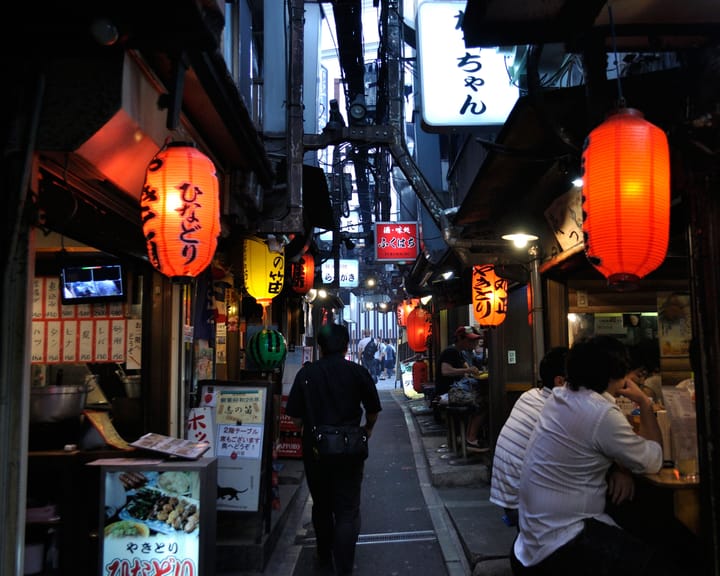
Tokyo tourist hotspot outlaws short-term rentals amid complaint surge
Shinjuku Ward, Tokyo, has moved to ban short-term rental accommodations in residential areas and near schools and important cultural sites, following a slew of complaints about visitor behaviour. The decision, to be enacted through a local ordinance, marks the latest sign that Japan’s patience with mass tourism is
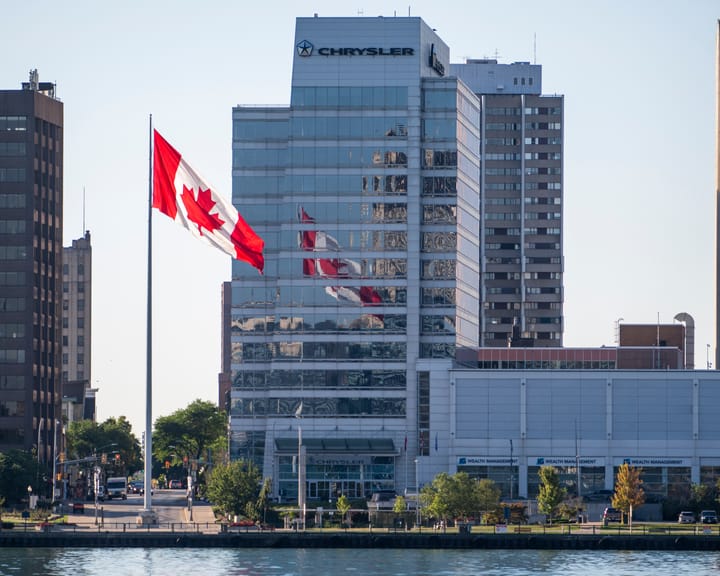
Canada implements retaliatory US tariffs as trade dispute intensifies
Canada’s retaliatory tariffs on about $20 billion worth of American imports took effect at 12.01am on Tuesday, ranging from 15% to 50% and applying to steel, dairy, appliances, agricultural equipment, pulp and paper, and electronics. The measures, a response to the United States’ 50% tariff on $20 billion

Prosecutor general resigns amid political turmoil in Kyiv during Ukraine war
Ukraine’s prosecutor general Ruslan Kravchenko resigned amid corruption accusations after anti-graft officers searched his offices at the weekend. He called the allegations “completely unsubstantiated” and denied wrongdoing. The National Anti-Corruption Bureau (NABu) and Specialised Anti-Corruption Prosecutor’s Office (Sapo) announced Saturday they uncovered a money-laundering