
Apple Faces Challenges Amid AI Struggles and Tariff Pressures
This year has been difficult for Apple. The company trails behind other major tech firms in artificial intelligence, its stock has dropped significantly since January, and it recently closed a store in China for the first time ever. Additionally, impending U.S. tariffs on Chinese goods could disrupt its supply chain. On Thursday, the company will announce its third-quarter fiscal results as investors assess whether the iPhone maker can reverse its recent struggles.
Despite these concerns, Apple remains valued at over $3 trillion, and analysts anticipate stable earnings. According to S&P Global, the company is expected to report a 4% revenue increase from the previous quarter, reaching $89.3 billion.
"Apple has relied heavily on its high-margin services business to drive revenue growth, which helps offset weaker performance in other areas," noted Dipanjan Chatterjee, an analyst at Forrester.
Chatterjee highlighted several factors contributing to Apple's recent difficulties, including a lack of major hardware innovations and consumer disinterest. Its AI developments have also faced delays and technical issues. Apple Intelligence, the company's AI offering, has introduced only minor updates rather than major advancements. More than a year after announcing improvements to its voice assistant, Siri, many of the promised features remain unavailable.
"We needed more time to ensure these Siri enhancements met our standards," said Craig Federighi, Apple's head of software engineering, during a June developer event.
U.S. tariffs on Chinese imports have also created challenges. Despite efforts to diversify production, most of Apple's products, including nearly 90% of iPhones, are still made in China. CEO Tim Cook previously stated that these tariffs could increase costs by $900 million this quarter.
In response, Apple has expanded manufacturing in countries like India and Vietnam. However, recent tariff hikes on Indian goods, set to take effect in August, add further pressure.
Amid these internal and external setbacks, Apple's stock has declined significantly in 2024. Once the top performer among the "Magnificent Seven"—a group of leading U.S. tech companies—it now ranks second-lowest in stock performance, ahead only of Tesla, with shares down roughly 15% since January.
Read next
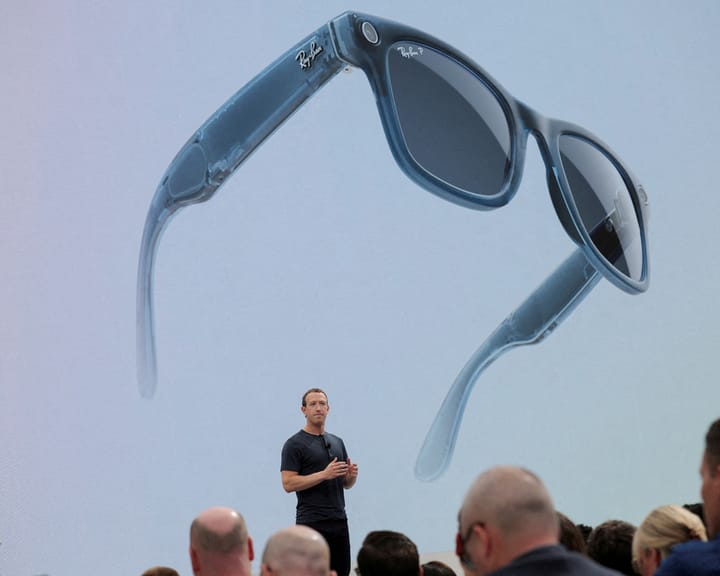
US officers worry Meta smart glasses could covertly record them
In January, the NYPD’s counterterrorism unit warned officers about a new security threat: Ray-Ban Meta glasses. A memo directed officers to “conduct thorough inspections of all eyewear permitted within inmate cells,” cautioning that recently arrested individuals could use the devices’ small cameras and microphones to record inside police
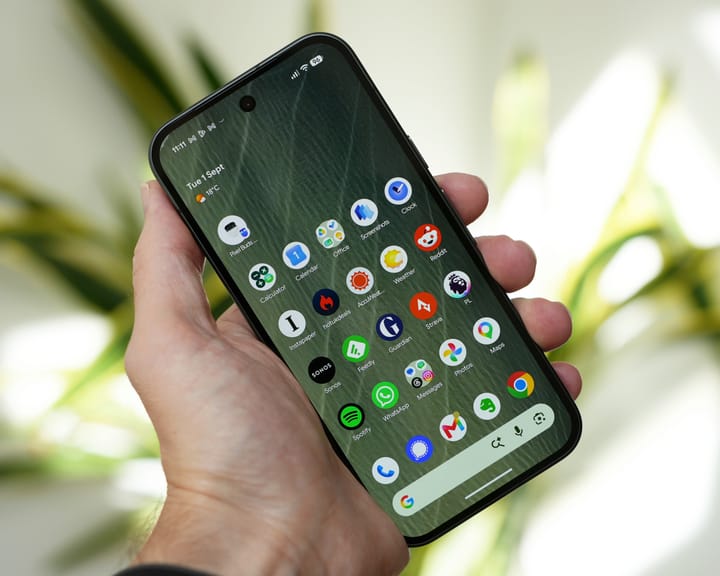
Google's Pixel 11 sets new standard for flagship phones, review finds
Google’s Pixel 11 continues to define what a base flagship phone should deliver, with leading cameras, extended software support and nearly all the features of its pricier siblings.
The standard Pixel 11 is priced at £879 (€999/$899/A$1,499), £80 higher than its previous version, reflecting ongoing

AI Expert Father of Three Shares Essential Insights for Parents on Artificial Intelligence
A father once promised his child they would write a story together called "The Day Nobody Went to Disneyland." The plot imagined a perfect day when the entire world avoided the park, expecting crowds, leaving it completely empty for a father and child to enjoy alone. Three decades