
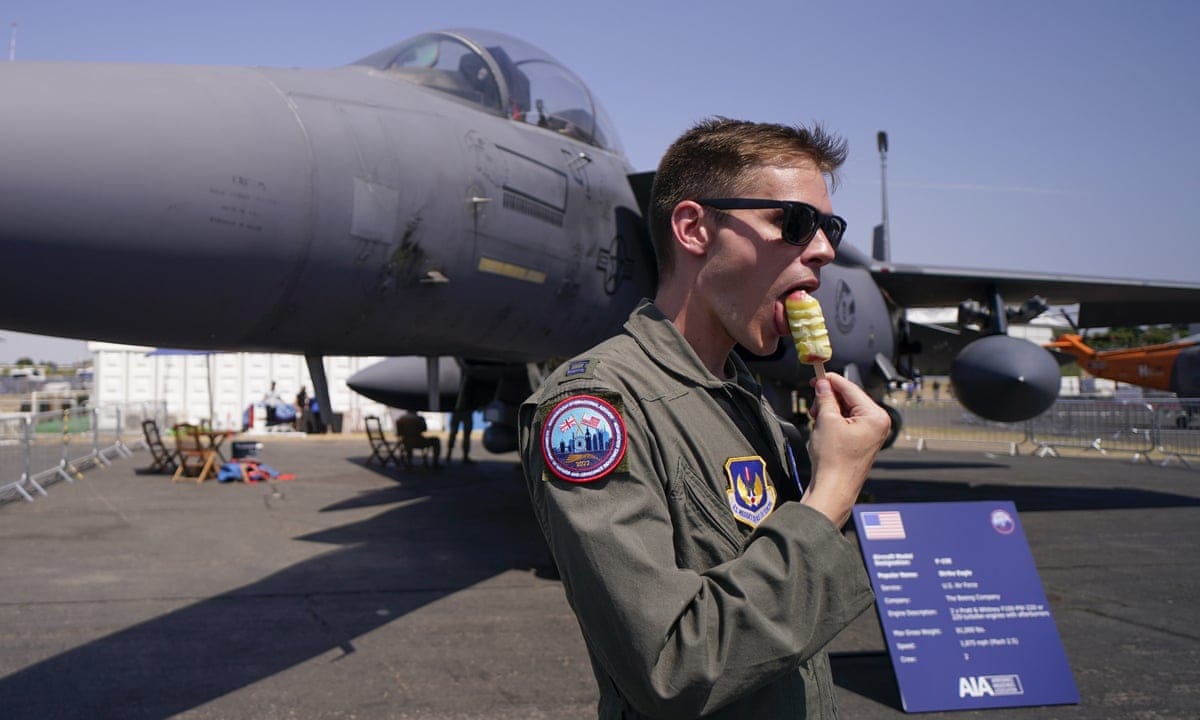
The residents of Farnborough, Hampshire, consistently endure disturbances from flights to and from the UK's busiest private jet airport during most of the year. However, in a unique week every two years, July sees an abrupt shift as commercial aircraft are replaced by the thunderous roar of fighter jets.
This event marks Farnborough International Airshow, where high-ranking executives from leading airlines, aircraft manufacturers, and military defense companies convene to showcase their products and foster partnerships. For many attendees this year, the main concern revolves not around whether there is a demand for their products, but rather if they can produce them efficiently in time.
“The supply chain was expected to be acute by 2022, with improvements anticipated," states Nick Cunningham, an Aerospace & Defense equity analyst at Agency Partners. Unfortunately, the situation has not unfolded as predicted.
According to the International Civil Aviation Organization, global air travel is projected to triple by 2050. Should technological advancements not be made, carbon dioxide emissions could rise from approximately 500 million tonnes to over 1.5 billion tonnes. While environmental concerns persist as a shadow during this year's event—set against an ongoing heatwave in England—this hasn’t deterred Europe's Airbus and America's Boeing from amassing orders from airlines, with the latter struggling to recover from previous crises.
Airbus had accrued 8,626 orders by last year's end, whereas Boeing held a backlog of 5,600 at that time. The latter company has faced significant challenges since two fatal incidents involving its best-selling 737 Max aircraft in 2018 and 2019. Just this month, an incident occurred onboard an Alaska Airlines flight where a door panel exploded, although thankfully no lives were lost. Boeing is now facing criminal charges related to the previous crashes of its 737 Max planes. A strong airshow order book could assist the company in its recovery efforts.
Airbus has emerged as the clear industry leader and will showcase an A321XLR at this year's event, a passenger jet that offers long-range capabilities to meet demand. However, Airbus is currently facing difficulties, with delays in delivering this variant due to challenges in sourcing engines, seats, and cabin components.
On the defense front, Farnborough serves as an important platform for companies seeking government contracts. The town itself reflects changes in political leanings over time; it was a stronghold of the Conservative Party until 2017 when Labour swept into power. With this shift, there is anticipation surrounding upcoming defense ministers and potential discussions on military strategies during the airshow.
Despite flourishing in recent years due to an increase in global conflicts, aerospace and defense companies have seen significant growth. The market values of UK-based Babcock, BAE Systems, and Rolls-Royce surged by 60%, 64%, and nearly 400% respectively since the last Farnborough Airshow. Meanwhile, global revenue in this sector reached $829 billion in 2023 as heightened military spending worldwide has impacted budgets across nations.
According to analyst Nick Cunningham of Agency Partners: "After the pandemic, defense didn't suffer an extreme initial impact on supply chains like civil did." However, signs of potential disruptions are emerging.
Read next
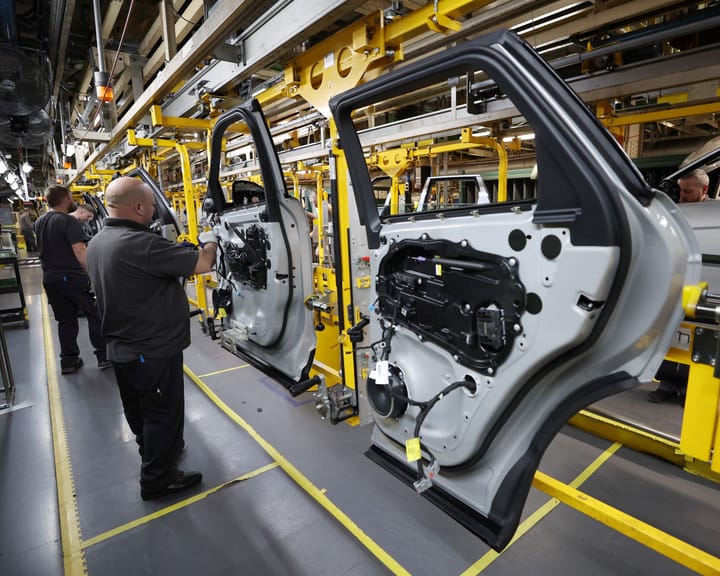
Jaguar Land Rover suppliers voice ‘everything is against us’ amid cutbacks
David Roberts, chair of Coventry-based Evtec, says the outlook for Britain’s automotive sector is grim, with “everything against us.” Evtec is a tier 1 supplier to Jaguar Land Rover, which this week announced 4,000 job cuts over two years despite chancellor John Healey’s attempt to talk
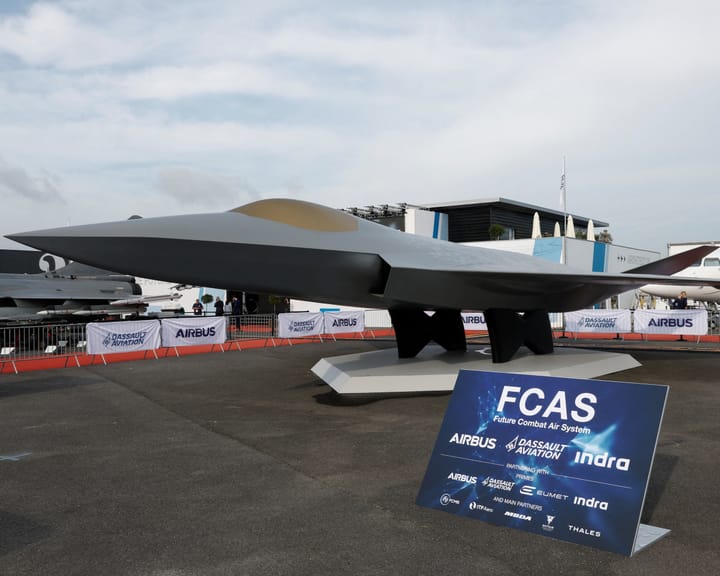
Europe’s fighter jet plans in disarray: what comes next?
When former ECB president and Italian PM Mario Draghi urged Europe to catch up economically with the US and China, defence collaboration was prescribed. No more should each nation build independent boats, tanks or jets; allies should share costs and technologies.
Europe stumbled at the first hurdle. German Chancellor Friedrich
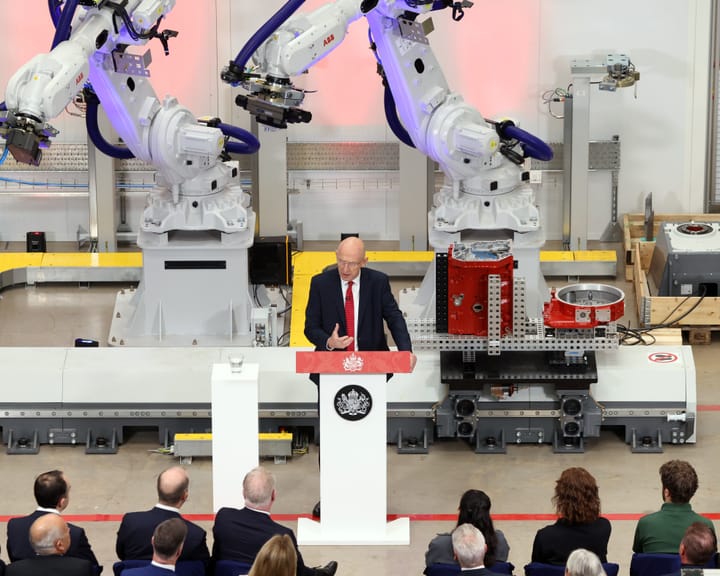
John Healey supports growth but insists Labour must be truthful about spending
John Healey has stated that his primary goal as chancellor will be to boost economic growth, while acknowledging that Labour must be straightforward about controlling public spending at next month's budget.
In his first major address since assuming the role in July, Healey said the leading focus of