
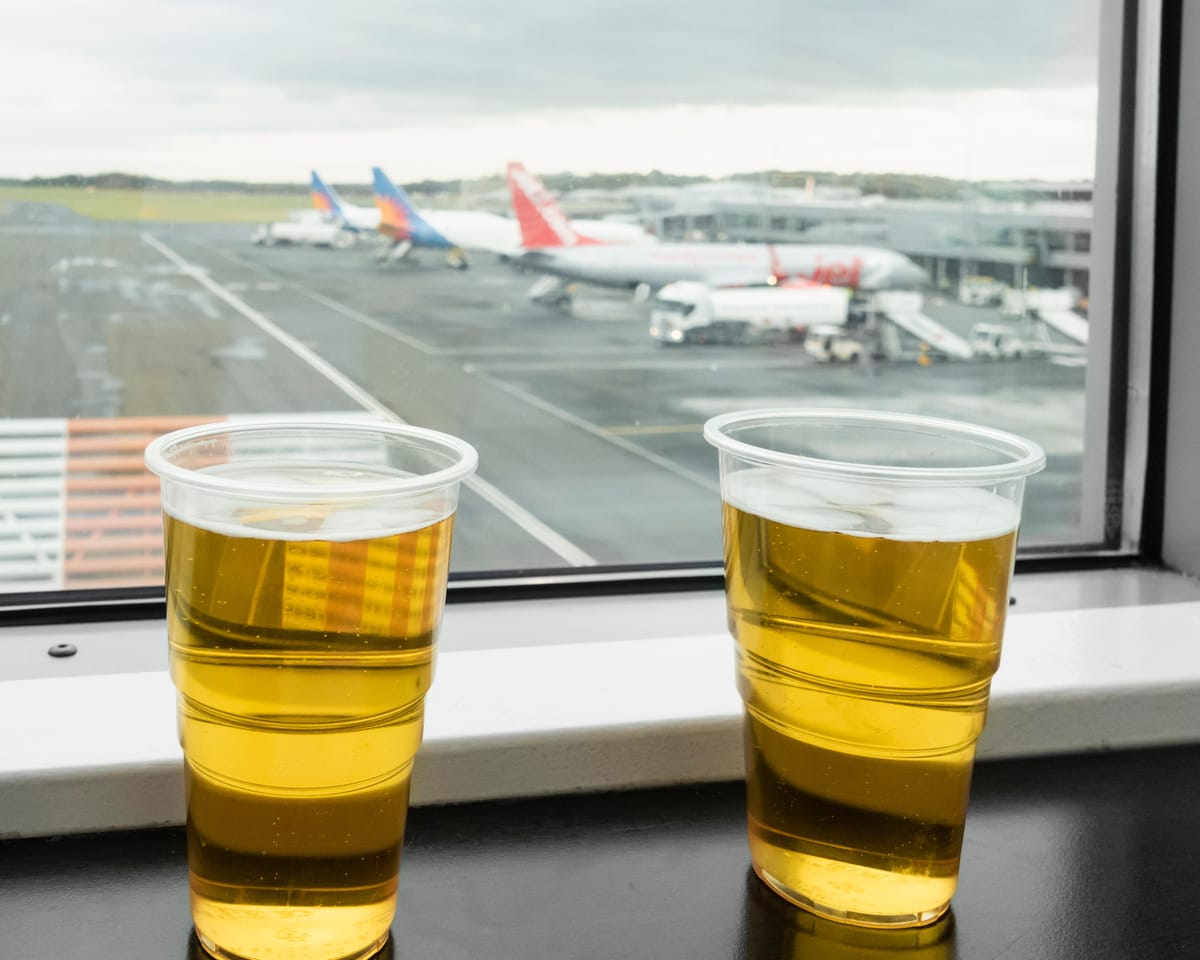
A bleary‑eyed pint at an airport bar before an early morning flight may become a thing of the past if Ryanair’s boss, Michael O’Leary, gets his way.
The airline’s chief executive, no stranger to controversy, has argued that airports should be barred from serving alcohol to passengers before early flights in order to cut the number of disruptive travellers on planes.
O’Leary said Ryanair is forced to divert an average of nearly one flight each day because of bad behaviour on board, up from roughly one a week ten years ago.
In an interview with the Times he remarked: “It’s becoming a real challenge for all airlines. I fail to understand why anybody in airport bars is serving people at five or six o’clock in the morning. Who needs to be drinking beer at that time?”
Airport bars in the UK are not bound by the opening‑hour restrictions that apply to other venues selling alcohol. O’Leary added: “There should be no alcohol served at airports outside [those] licensing hours.”
He noted that Ryanair rarely serves more than two drinks per passenger and called for a two‑drink limit to be introduced at airports as well. He did not specify whether he would restrict the times alcohol is served on Ryanair flights.
Being drunk on an aircraft is a criminal offence, punishable by a fine of up to £5,000 and up to two years’ imprisonment.
Ryanair announced last January that it had begun taking legal action against disruptive passengers to recover losses when they forced a flight to be diverted. The airline said it had filed proceedings against a passenger in Ireland seeking €15,000 (£12,500) in damages related to a flight from Dublin to Lanzarote.
Read next
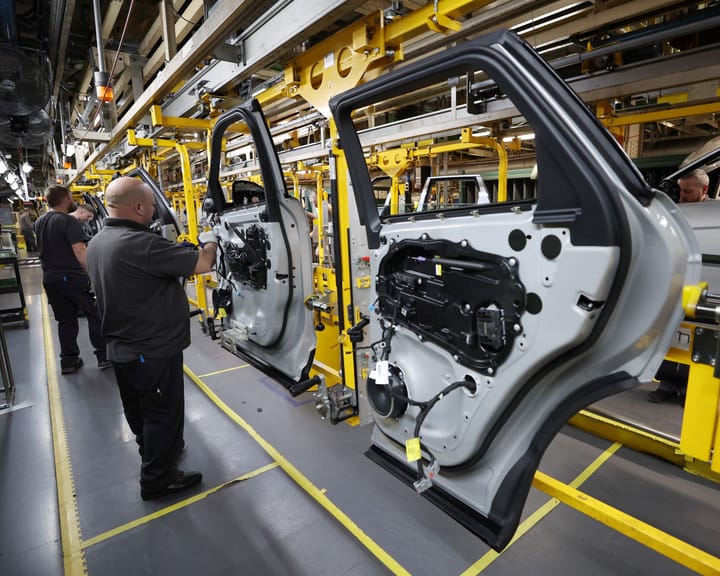
Jaguar Land Rover suppliers voice ‘everything is against us’ amid cutbacks
David Roberts, chair of Coventry-based Evtec, says the outlook for Britain’s automotive sector is grim, with “everything against us.” Evtec is a tier 1 supplier to Jaguar Land Rover, which this week announced 4,000 job cuts over two years despite chancellor John Healey’s attempt to talk
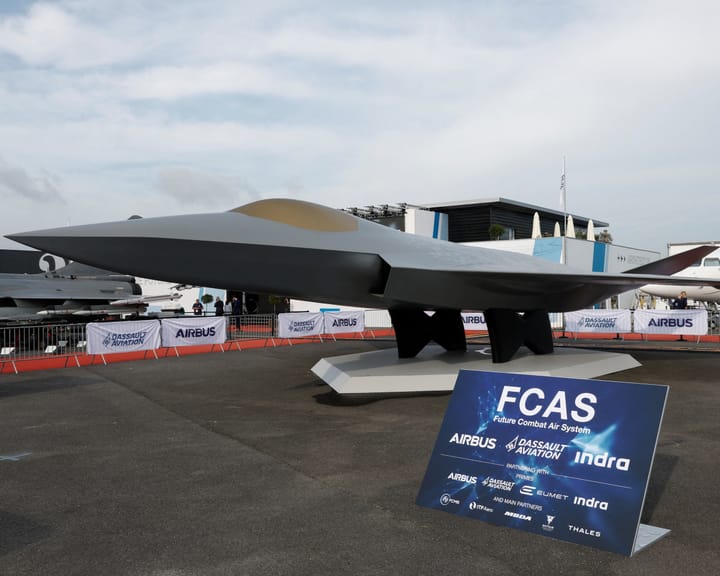
Europe’s fighter jet plans in disarray: what comes next?
When former ECB president and Italian PM Mario Draghi urged Europe to catch up economically with the US and China, defence collaboration was prescribed. No more should each nation build independent boats, tanks or jets; allies should share costs and technologies.
Europe stumbled at the first hurdle. German Chancellor Friedrich
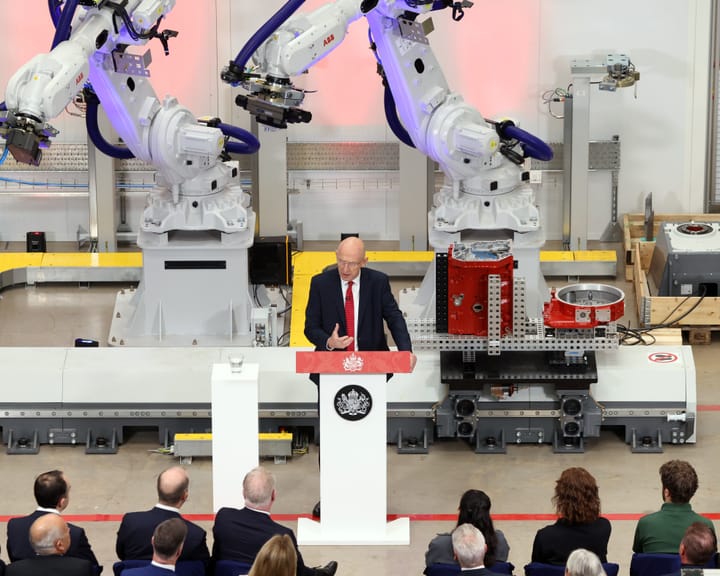
John Healey supports growth but insists Labour must be truthful about spending
John Healey has stated that his primary goal as chancellor will be to boost economic growth, while acknowledging that Labour must be straightforward about controlling public spending at next month's budget.
In his first major address since assuming the role in July, Healey said the leading focus of