
The introduction of the new entry-exit system by the European Union has been rescheduled until November, easing concerns about potential long wait times at border checkpoints during October's holiday period.
The rollout of biometric checks for international visitors entering Europe, including those from Britain, is now expected to commence on or after 10 November as several smaller airports have yet to complete necessary preparations.
While a specific new date has not been confirmed by the European Commission, it's suggested in an Independent report that some border stations might delay their start until at least November 17th. This postponement reopens questions about the readiness of a system originally scheduled for early 2021.
Under the entry-exit system (EES), non-European visitors will have to submit biometric data such as fingerprints and facial scans at border crossings under an EU official's supervision during their first visit.
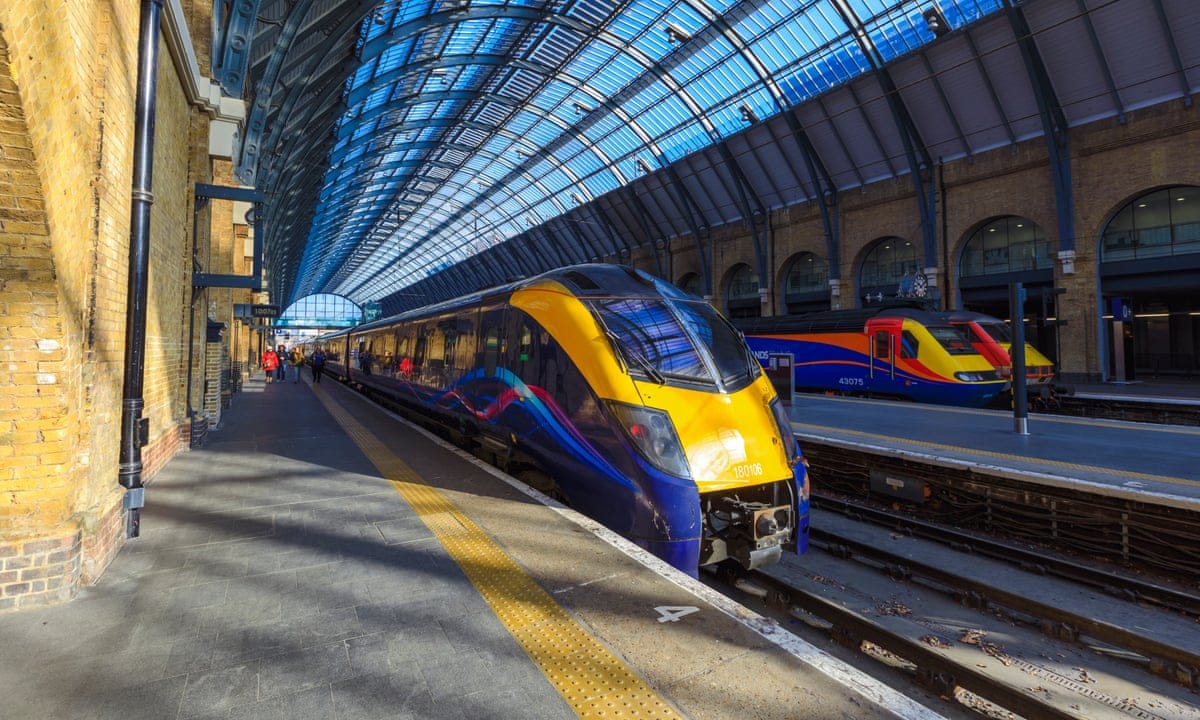
Concerns about potential congestion at British ports of entry, notably the Port of Dover and Eurostar's St Pancras station where the UK-France border is situated, were raised amid fears that these locations could be overrun with travelers needing to board ferries or trains.
The railway operator Eurostar has invested in infrastructure improvements at St Pancras to facilitate biometric data registration for passengers entering Europe from the UK and has asserted this change will have a minimal impact on border wait times. Getlink, which operates Le Shuttle service across the Channel Tunnel, estimates an additional six to seven minutes may be needed to process each vehicle with passengers due to EES implementation.
The Port of Dover expressed particular concern regarding the potential for extended waits and is constrained by limited space for enhancing their facilities. ACI Europe, representing European airports, urged a reevaluation of an October rollout date during a busy season when infrastructure demands are at their peak.
It's expected that initially, EES will not be strictly enforced against all travelers to prevent border delays and disruption. Eventually, the EU plans to introduce another requirement, similar to the US Visa Waiver Program (ESTA), where post-Brexit British citizens must acquire a €7 visa for crossing into Europe or flying in.
Read next
Jaguar Land Rover suppliers voice ‘everything is against us’ amid cutbacks
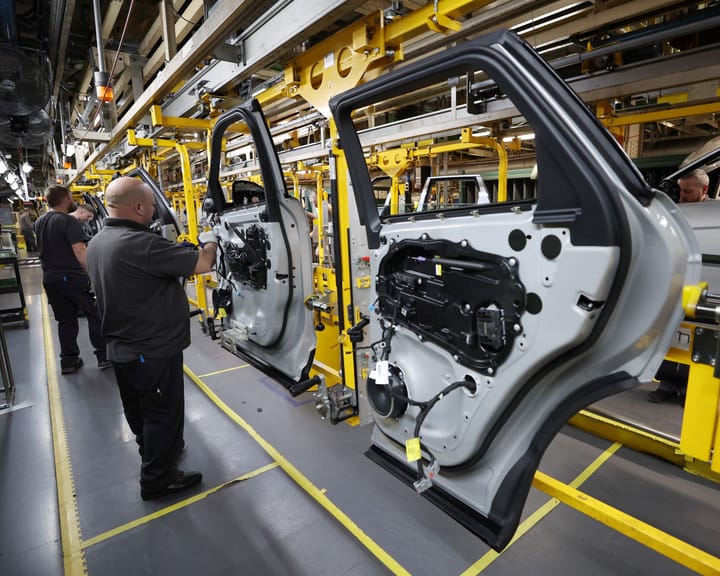
David Roberts, chair of Coventry-based Evtec, says the outlook for Britain’s automotive sector is grim, with “everything against us.” Evtec is a tier 1 supplier to Jaguar Land Rover, which this week announced 4,000 job cuts over two years despite chancellor John Healey’s attempt to talk
Europe’s fighter jet plans in disarray: what comes next?
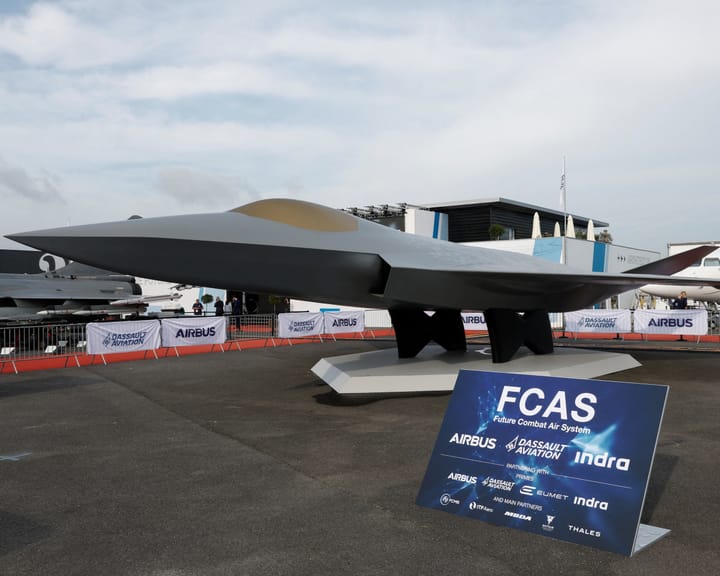
When former ECB president and Italian PM Mario Draghi urged Europe to catch up economically with the US and China, defence collaboration was prescribed. No more should each nation build independent boats, tanks or jets; allies should share costs and technologies.
Europe stumbled at the first hurdle. German Chancellor Friedrich
John Healey supports growth but insists Labour must be truthful about spending
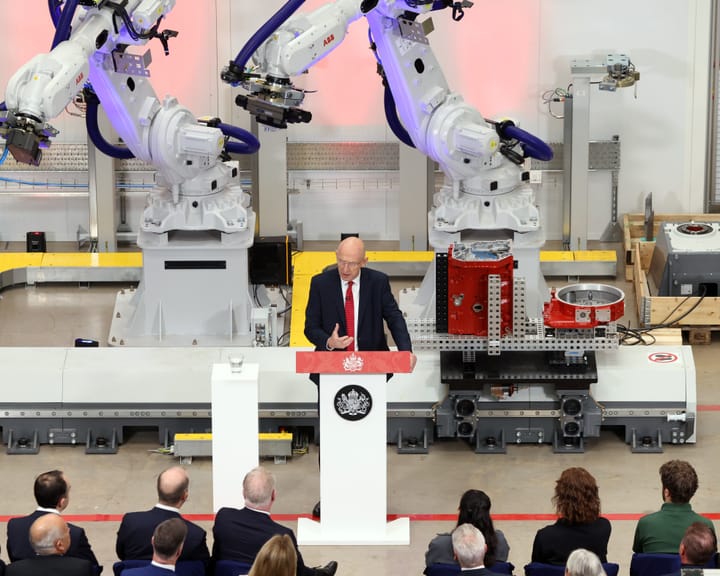
John Healey has stated that his primary goal as chancellor will be to boost economic growth, while acknowledging that Labour must be straightforward about controlling public spending at next month's budget.
In his first major address since assuming the role in July, Healey said the leading focus of