
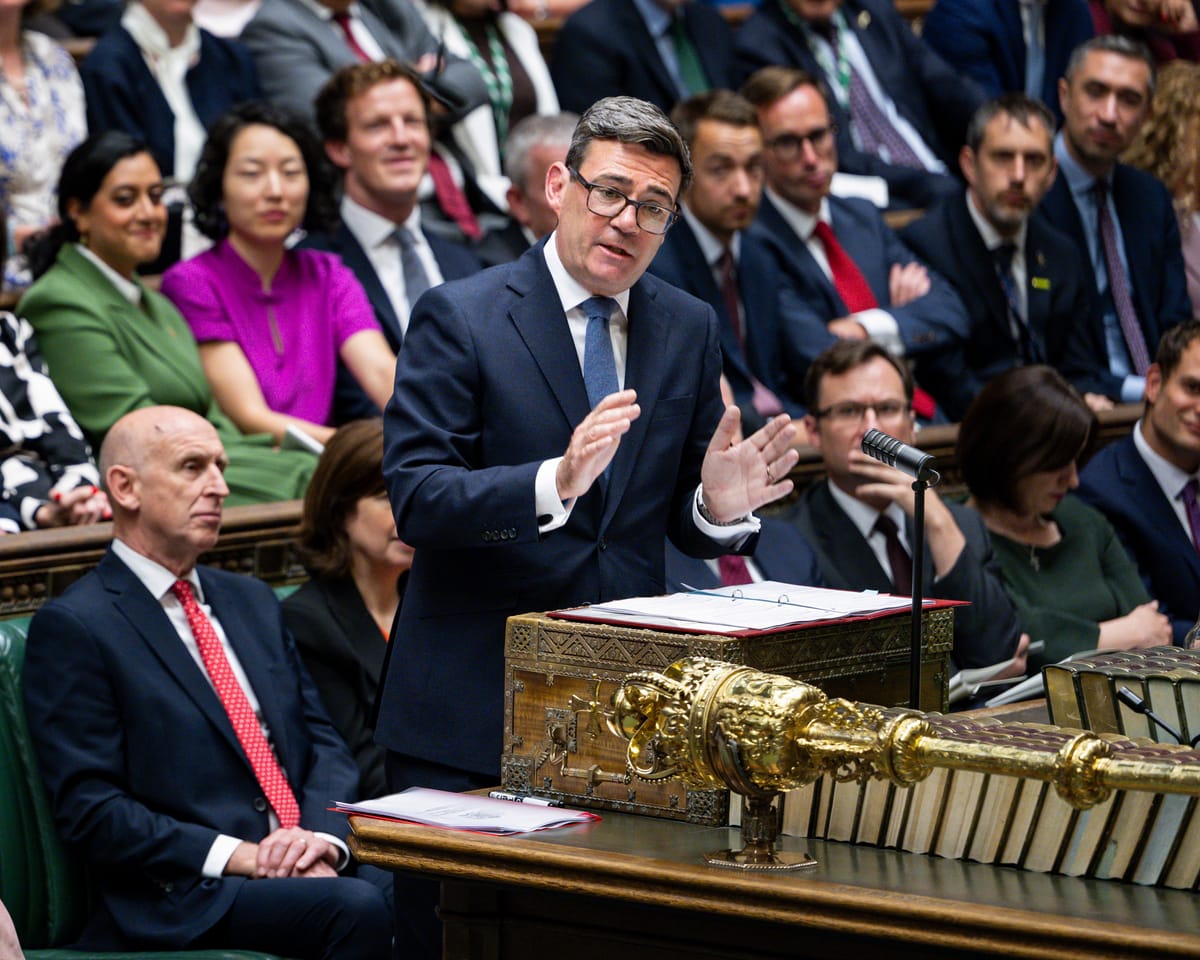
A gentler reality check cannot be imagined. A quiet realignment of expectations. A subtle reminder to both Andy Burnham and Labour backbenchers that international bond markets remain unresponsive to Manchester charm or optimism. Despite a summer of optimistic announcements from the government, the country still faces serious difficulties. The period ahead will be challenging, and nothing will be achieved without cost.
A new prime minister must accept victories when they arrive, however modest. In broader terms, a successful Prime Minister’s Questions session matters little. It amounts to politics as performance. Yet it can establish tone and generate goodwill among MPs and the media. Given that it occurs weekly, performing well is worthwhile.
Burnham can feel satisfied with his debut, even if events did not unfold exactly as planned. A more consensual style of politics had been promised, along with an end to point-scoring. That resolution lasted only five minutes before normal proceedings resumed. Partly because the format of PMQs encourages confrontation, and partly because Andy could not resist the opportunity.
Resisting would have required extraordinary restraint, especially since Kemi Badenoch made it straightforward for him. Once again, Labour’s secret weapon remains the Tory leader. She cannot refrain from speaking impulsively, becoming lost in her own confidence and failing to recognise the traps she creates for herself. She may be uninteresting to criticise, though it remains unclear why so many Tories support her so fervently.
Burnham appeared visibly nervous at the beginning. Understandably so. Restless. Not fully in control. PMQs is always demanding, particularly for a leader upon whom so many Labour expectations rest, some of which Burnham has placed upon himself.
“It’s good to be back at the dispatch box,” he began, before citing several achievements of the Labour government, including a reduction in small boat crossings to their lowest level in years. The Tories paid little attention, as though illegal immigration had never been a concern for them. They were not prepared to credit Labour with any progress. Opposition parties prefer crisis to success and rarely consider that they may eventually need to govern themselves.
Kemi’s opening remarks were unexpectedly cordial. She congratulated Andy on his stamina. Burnham simply nodded, noting that many had made similar comments. Kemi then grew impatient, criticising his tendency to overpromise and avoid saying no, questioning whether he could identify any policy he had actually cut.
First a smile, then his response. “Tax,” Burnham replied. This effectively settled the exchange. Kemi had anticipated a Keir Starmer-style evasion. A prime minister caught off guard. She had not expected this. Andy explained clearly: he had removed VAT on electricity bills and cut business rates for pubs and hospitality venues. He chose not to mention that these cuts had been funded by eliminating a budget for digital ID that had never existed. Simplicity served him better.
Kemi then shifted to the bond markets, suggesting they were targeting Labour. Burnham remained calm and courteous. The international bond markets bore no personal grudge against him. Tuesday’s statement had not been the trigger for higher interest rates.
Rising borrowing costs reflected a global problem affecting many countries. If Kemi sought blame, she could examine her own party’s 14 years of stagnant growth. The economy had been weakened by the Tories, and he was attempting to repair the damage. He could also have referenced the Iran war and rising oil prices, a conflict Kemi had initially supported. Her judgment has frequently been questionable.
Kemi then appeared almost wounded, as though a commitment had been betrayed. Burnham had pledged an end to point-scoring, yet here he was engaging in it openly. Andy acknowledged the contradiction without apology. He could not resist. The laughter and support of his own backbenchers were gratifying. PMQs extends beyond the leader alone; it is a collective exercise.
Burnham proceeded to score further points. Kemi has yet to recognise how exposed she has become by appointing Andrew Griffith as shadow chancellor, a co-author of Liz Truss’s mini-budget and one of its most vocal defenders.
For Labour, this presents a clear opportunity that will be exploited repeatedly. Kemi may disregard history, treating each day as a fresh start. Yet the country remains far from forgiving the Conservative party for the lasting damage inflicted during 49 days of chaos. The difficulties for her party will therefore continue.
Having avoided ruling out further tax rises and spending commitments, Burnham returned to his preferred tone of optimism and positivity, which made for a comfortable first PMQs. He will remain aware that this represents a temporary respite and that challenges will intensify beyond it.
Andy appears dedicated to his role, spending the remainder of the session arranging meetings with numerous MPs. His schedule will soon consist entirely of meetings, or meetings to discuss unnecessary meetings, or meetings intended to prevent further meetings. He will likely also meet with Samantha Niblett, whose stated aim has been to have a summer of sex and to share that experience as widely as possible.
Read next
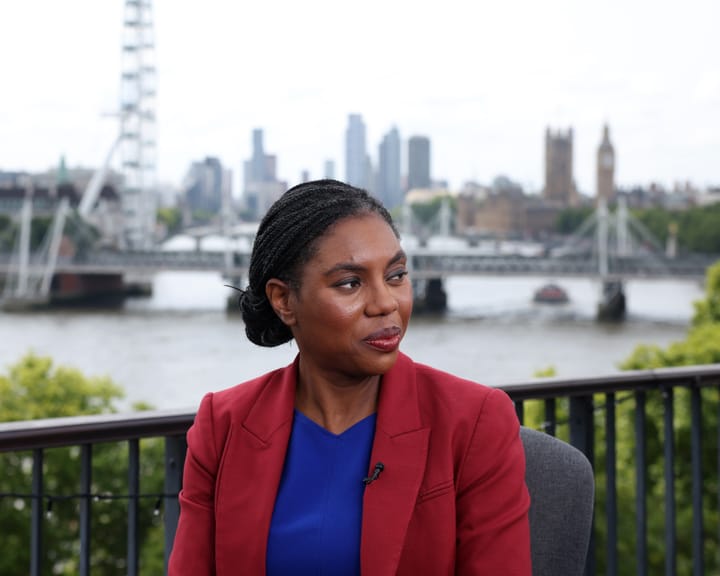
Badenoch returns to Conservative conference, markedly stronger than a year ago
A year ago, Tory MPs feared a fresh leadership revolt against Kemi Badenoch as Tories hit historic 14-16% support; November, after 12 months, was hushed: decisive challenge month. Yet, despite poor polls, “Keminisation” saw her impose style and authority.
More in Common’s Luke Tryl, director, said Badenoch holds

UK sanctions plan on illegal Israeli settlements faces criticism from US, Israel and British MPs
Today, with the agreement of Prime Minister Netanyahu, Israeli officials announced a series of countermeasures in response to new sanctions declared by the British foreign secretary of the Labour government, following a sequence of anti-Israel decisions by the same administration.
The accusations leveled today by the Labour foreign secretary,
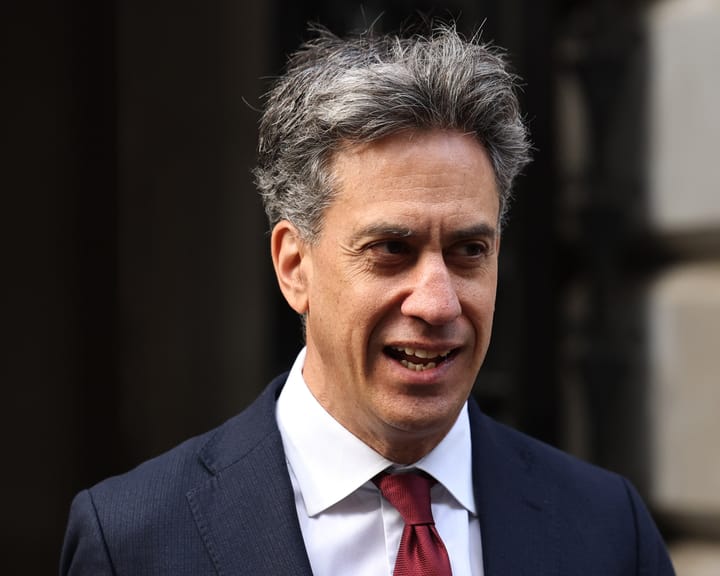
UK announces trade ban on Israeli settlements as tougher stance
Ed Miliband will announce a broad reset of the UK’s relations with Israel on Tuesday, pledging a more active stance in support of the Palestinian cause. In an intervention drawing fierce criticism from the US and Israel, the foreign secretary will impose a ban on trade in goods and