
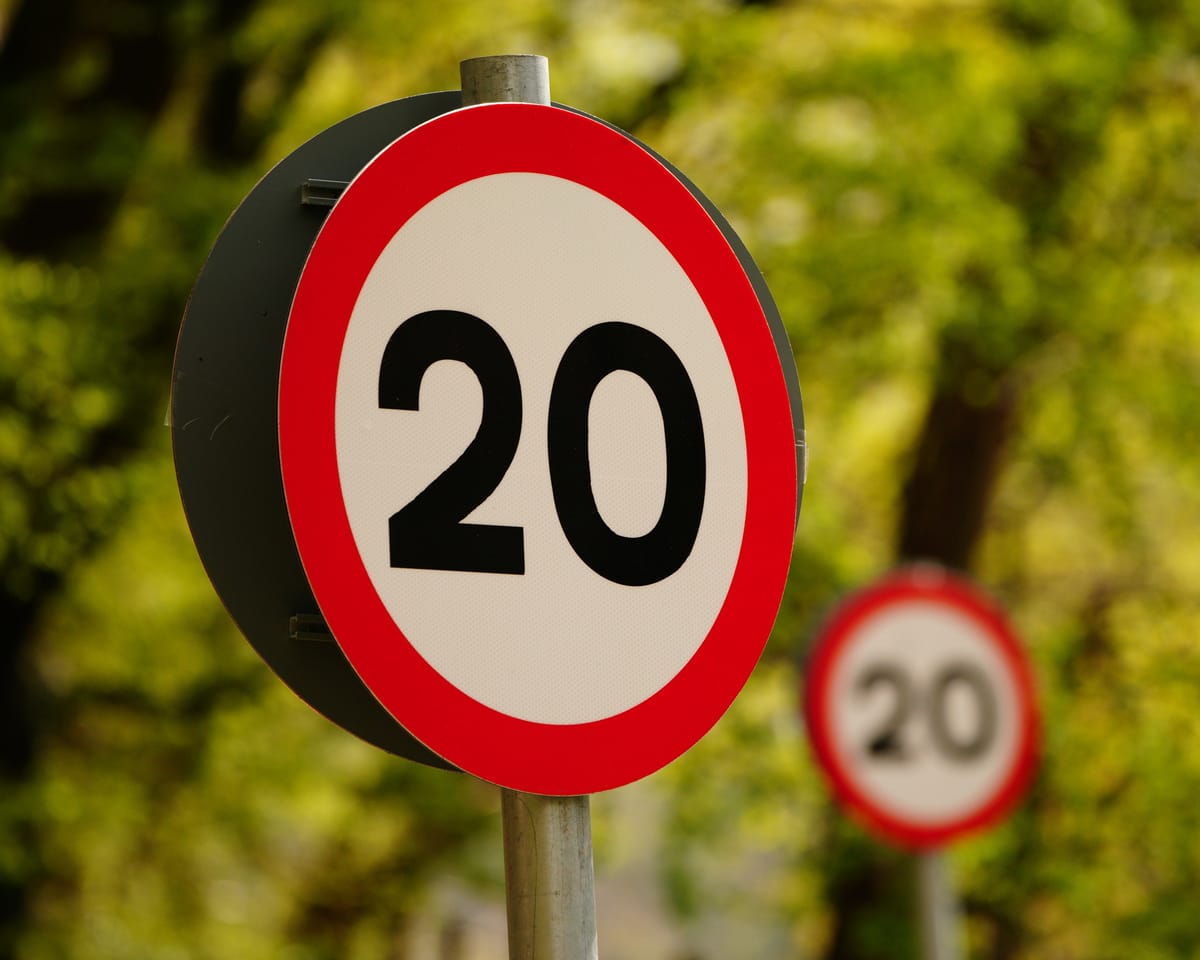
Britain ought to cut speed limits for motorists as part of a bundle of actions aimed at softening the impact of the Iran war on households, a think‑tank has proposed.
Capping legal speeds at 20 mph in urban areas and 60 mph on motorways would curb fuel demand and counteract rising oil prices sparked by the conflict, according to the Institute for Public Policy Research (IPPR).
The institute urged ministers to slash fuel duty temporarily by 10 pence and introduce a new annual energy price ceiling of £2,000 to aid consumers, while warning that inflation could climb to as much as 5.8 % if no steps are taken.
“The UK cannot afford to stay idle while another energy shock pushes up inflation and harms the economy,” said William Ellis, a senior economist at IPPR. “The UK economy and public finances are set to suffer a notable blow from the Iran conflict, irrespective of government action.”
Lowering speeds would deliver a “dual win”, the think‑tank argued, “reducing fuel consumption while safer streets encourage swapping short trips for walking or cycling. This should be paired with tips on efficient driving, plus suggestions for more home working and car‑sharing.”
Such a policy would likely spark debate. Wales lowered its default speed limit to 20 mph in 2023, and a BBC poll this year showed that over half of residents opposed the change, even though road casualties fell by more than 10 % in the following 18 months.
The International Energy Agency has already advised its members, including the UK, to consider reducing road speeds and restricting when cars may be used as part of a series of Covid‑style emergency measures responding to the Middle East turmoil.
Researchers estimated that the Treasury could lose up to £8 billion annually from higher debt payments and lower tax receipts stemming from weaker economic growth if no support package is introduced.
The fuel‑duty reduction would remain in place until spring 2027, the institute said, while the energy price cap would sit above the current quarterly limit set by Ofgem for Great Britain (£1,641) and would activate automatically if the regulator’s quarterly estimates exceed that level. Gas and electricity bills could approach £2,000 per year for an average household from July.
Researchers noted that, although the policies could cost up to £5 billion a year, that sum is far smaller than Liz Truss’s reaction to the 2022 energy crisis, which amounted to roughly £76 billion. Chancellor Rachel Reeves has already indicated that any support this year will be directed at those most in need.
The measures could also trim peak inflation by as much as two percentage points, the researchers estimated, potentially removing the need for the Bank of England to raise interest rates – its primary tool for curbing price increases – a move many analysts anticipate later this year.
The Bank kept rates unchanged at 3.75 % last week but cautioned that the UK may need to prepare for rises later in the year. Andrew Bailey, the Governor of the Bank of England, warned that vigilance remains essential.
Read next
Jaguar Land Rover suppliers voice ‘everything is against us’ amid cutbacks
David Roberts, chair of Coventry-based Evtec, says the outlook for Britain’s automotive sector is grim, with “everything against us.” Evtec is a tier 1 supplier to Jaguar Land Rover, which this week announced 4,000 job cuts over two years despite chancellor John Healey’s attempt to talk

Europe’s fighter jet plans in disarray: what comes next?
When former ECB president and Italian PM Mario Draghi urged Europe to catch up economically with the US and China, defence collaboration was prescribed. No more should each nation build independent boats, tanks or jets; allies should share costs and technologies.
Europe stumbled at the first hurdle. German Chancellor Friedrich
John Healey supports growth but insists Labour must be truthful about spending
John Healey has stated that his primary goal as chancellor will be to boost economic growth, while acknowledging that Labour must be straightforward about controlling public spending at next month's budget.
In his first major address since assuming the role in July, Healey said the leading focus of