
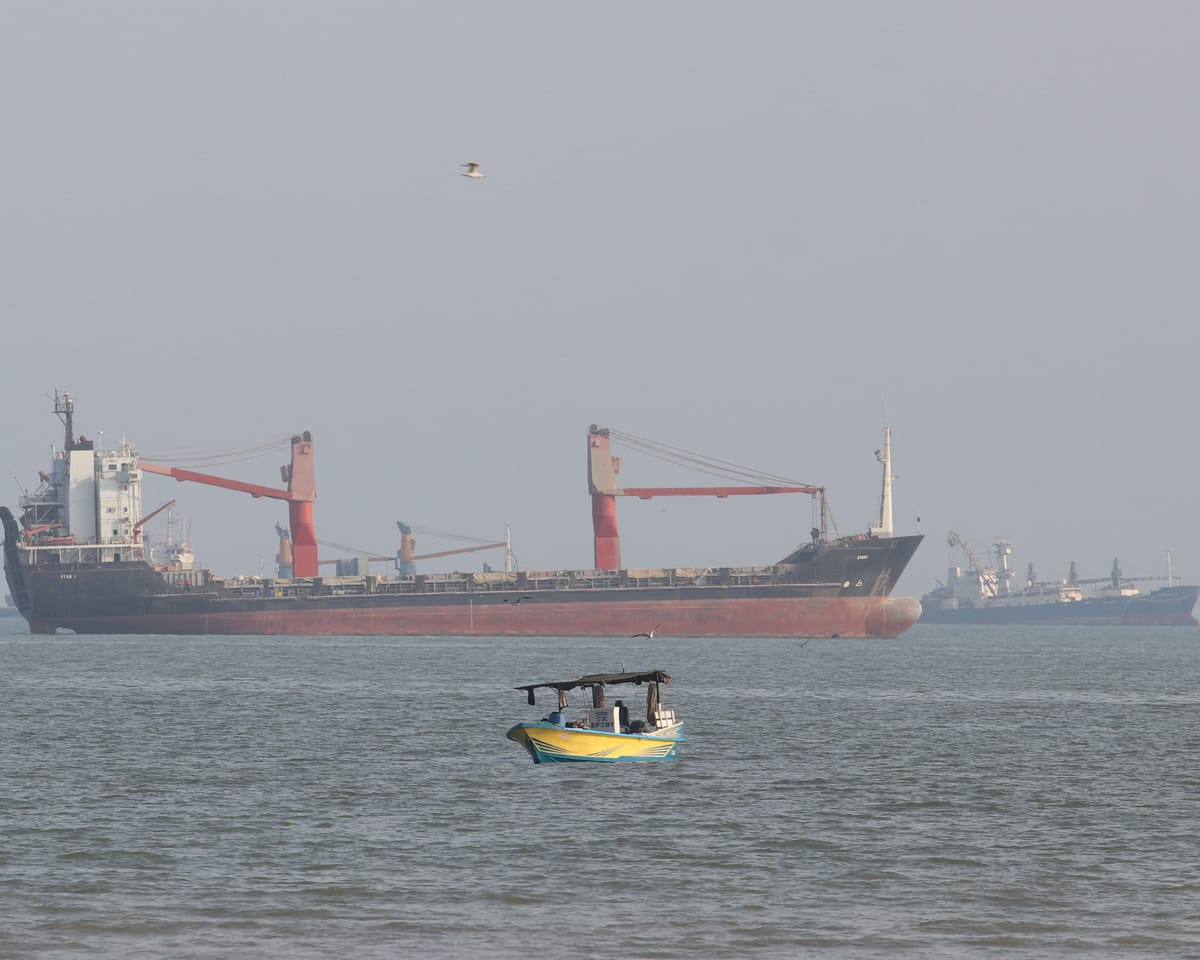
A container ship has sunk near the Strait of Hormuz, while a second cargo vessel is reportedly sinking, marking a significant increase in Iranian attacks on shipping since the escalation of tensions with the US and Israel. These incidents suggest Iran's intent to obstruct the strategic waterway, potentially impacting global fuel prices ahead of the US midterm elections on November 3.
The Trump administration has attributed rising fuel prices to Ukraine's attacks on Russian refineries, diverting attention from the economic impacts of the conflict with Iran. The United Kingdom Maritime Trade Operations (UKMTO) reported at least five incidents, including drone strikes, targeting tankers and commercial ships around the Hormuz area within the last 48 hours.
The Singapore-flagged GFS Pride container ship sank following an attack on Tuesday, and the Antigua and Barbuda-flagged Cape Dao is also reportedly sinking after being hit by a projectile on September 23, according to maritime security sources. Iran claimed the GFS Pride hit a naval mine while navigating an unauthorized route through the strait, while UKMTO suggests both ships were struck by unidentified projectiles.
Iranian authorities have warned against unauthorized transits through the strait. The US military has been escorting ships along a safer route closer to Oman's coast. Recent attacks have intensified, with six vessels targeted on a single day, as reported by UKMTO. Analysis by the Financial Times indicates 24 ships were attacked from September 28 to October 11, including three refined energy product tankers and two crude oil tankers.
The surge in attacks has led to a significant reduction in oil shipments through the strait. The US has seen a 70% increase in fuel prices since the conflict with Iran began, and the Republican party anticipates electoral repercussions. Iranian officials disclosed a shift in tactics against vessels violating its restrictions, aiming to influence the US elections by frustrating efforts to lower global oil prices. This strategy was coordinated at the highest levels of Iran’s leadership.
A US military official, speaking anonymously, confirmed a tactical shift by the IRGC following the destruction of much of Iran's radar capabilities. The IRGC now uses unarmed spotters in small boats to identify targets, including American naval vessels. In a recent incident, Iranian spotters operated from a dhow, targeting American forces, which subsequently confronted and destroyed the vessel without casualties.
Read next

Interior Minister Admits French Police Lost Control Amid Riots
France’s Prime Minister has directed regional authorities to consider implementing partial curfews in certain cities following an admission by the government that police lost control during violent protests over the weekend. Sébastien Lecornu stated after an emergency cabinet meeting that he was determined to restore public order and suggested

Kenya's Latest Ebola Case Exposes Gaps in U.S. Health Services Following Trump's Budget Cuts
In Kenya, a third individual has tested positive for Bundibugyo ebolavirus, marking the nation's first cluster of Ebola cases. This development occurs as the second-largest Ebola outbreak in history continues to impact the region, resulting in over 4,300 deaths and more than 9,000 infections.
The

France in Chaos as Looting Extends into Second Night: 'War Zone' Descriptions Abound
In the early hours of Monday, two motorbikes carrying passengers each stopped at a traffic light in a backstreet near Paris's bustling rue de Rivoli. One rider remarked to the other about targeting areas with high foot traffic and elaborate shop windows. Shortly thereafter, ten men wearing ski