
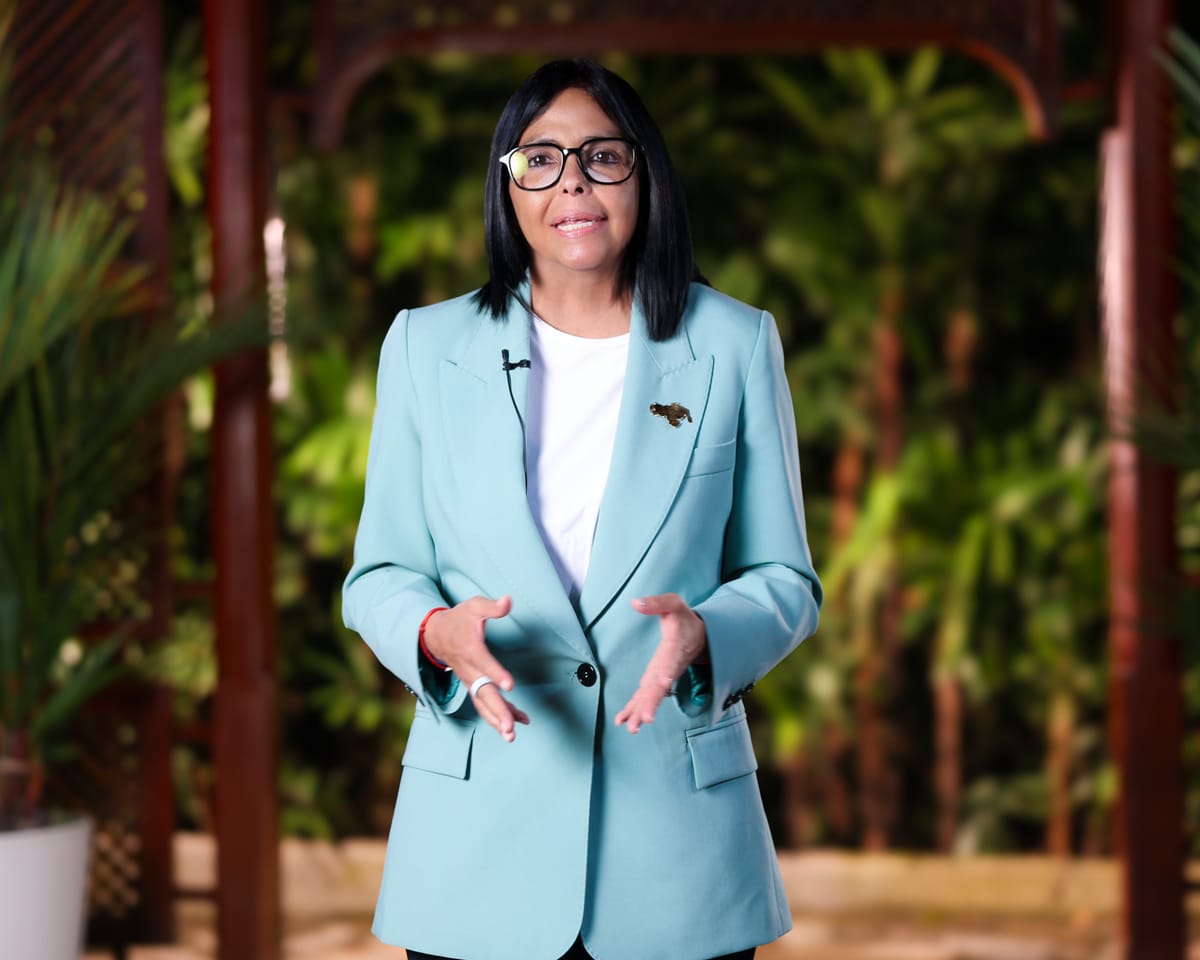
Venezuela’s interim president, Delcy Rodríguez, has defended her government’s contentious energy pact with Donald Trump, insisting the country will retain ownership and sovereignty over its vast oil reserves.
Rodríguez assumed power in January after Trump ordered the capture of President Nicolás Maduro and used a televised address on Saturday to rebut criticism of what the U.S. leader called “the biggest oil deal in world history”.
“The advantages are limitless,” she said, noting that the agreement would help develop the economy, generate more than $209 billion (£154 billion) and turn Venezuela into an energy powerhouse.
She added that the nation’s unparalleled oil wealth requires investment, technology, infrastructure and production capacity to convert reserves into prosperity for its people, warning that merely listing reserves in statistics is useless without development.
Trump announced the “groundbreaking” deal on Friday, describing it as a historic transaction that more than doubles U.S. oil reserves and guides Venezuela toward “Tremendous Success and Great Prosperity”.
On Sunday he wrote on Truth Social that the Venezuelan oil will be used to fill the Strategic National Reserve, which he said had been depleted by “Sleepy Joe” Biden, and that a “topping‑out” process will soon begin as a gift from Venezuela to the American people.
Hours after seizing Maduro on 3 January, Trump warned Rodríguez that failure to comply would bring a “very big price, likely greater than Maduro’s”.
Details of the secret agreement remain sparse, but reports say the United States will assume control of 65 billion barrels of Venezuelan reserves.
Venezuela possesses the world’s largest proven crude reserves—about 303 billion barrels—compared with Saudi Arabia’s 268 billion and Iran’s 208 billion. Rodríguez said the pact involves 17 strategic oilfields capable of producing more than 1.5 million barrels per day.
The deal has provoked anger among the opposition and within the Chavismo movement of which Rodríguez is a part.
A senior opposition figure, speaking anonymously, called the agreement “a massive land grab” by a “rapacious, mafioso United States”.
Read next
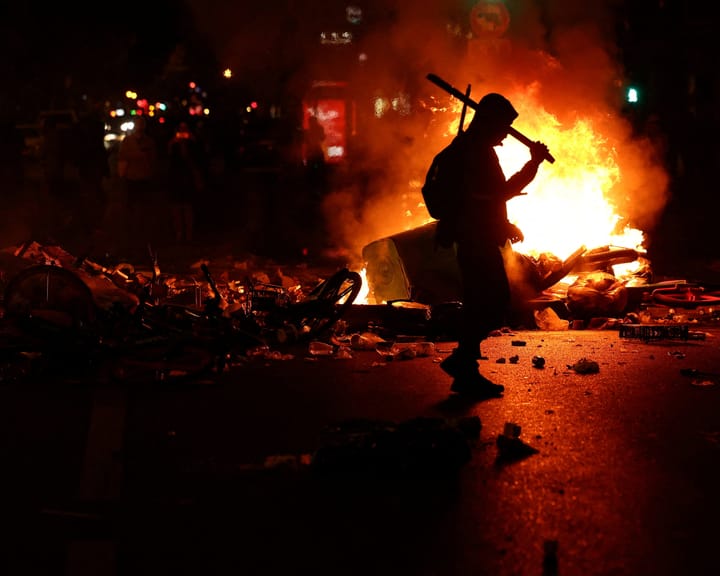
Interior Minister Admits French Police Lost Control Amid Riots
France’s Prime Minister has directed regional authorities to consider implementing partial curfews in certain cities following an admission by the government that police lost control during violent protests over the weekend. Sébastien Lecornu stated after an emergency cabinet meeting that he was determined to restore public order and suggested
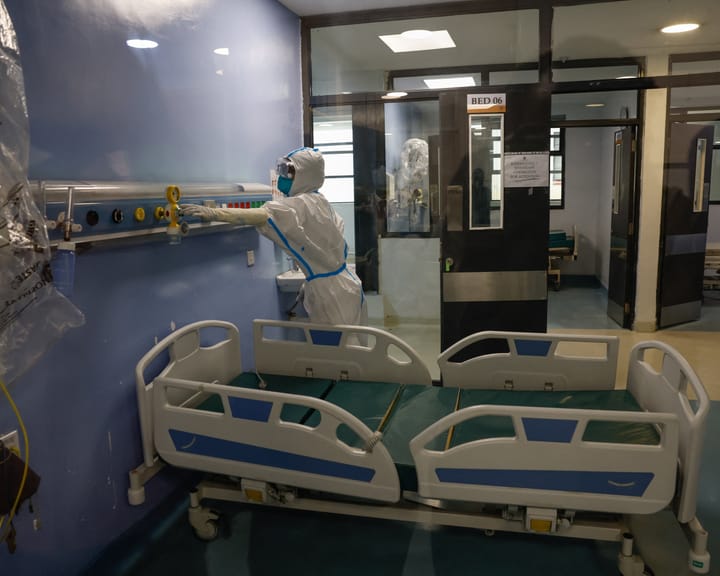
Kenya's Latest Ebola Case Exposes Gaps in U.S. Health Services Following Trump's Budget Cuts
In Kenya, a third individual has tested positive for Bundibugyo ebolavirus, marking the nation's first cluster of Ebola cases. This development occurs as the second-largest Ebola outbreak in history continues to impact the region, resulting in over 4,300 deaths and more than 9,000 infections.
The
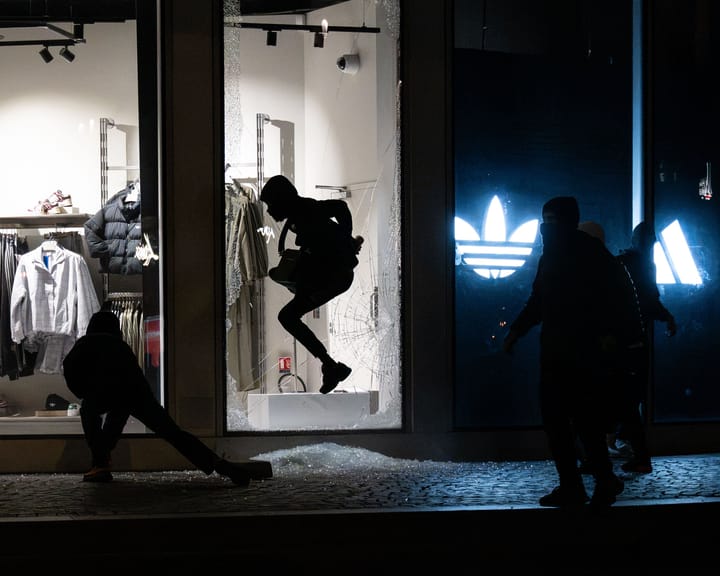
France in Chaos as Looting Extends into Second Night: 'War Zone' Descriptions Abound
In the early hours of Monday, two motorbikes carrying passengers each stopped at a traffic light in a backstreet near Paris's bustling rue de Rivoli. One rider remarked to the other about targeting areas with high foot traffic and elaborate shop windows. Shortly thereafter, ten men wearing ski