
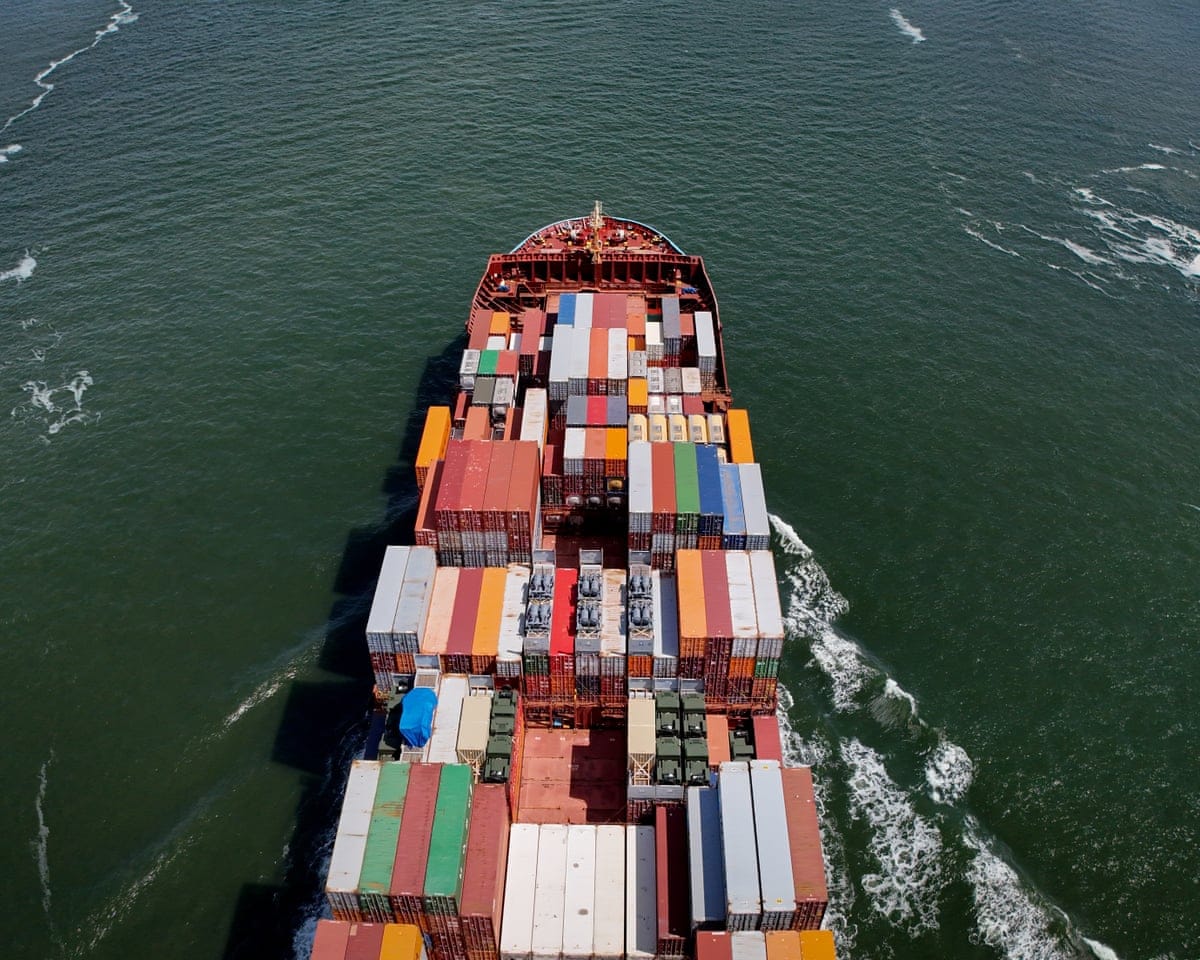
The EU faces a critical week with just two days of negotiations remaining to secure a trade agreement with Washington and prevent Donald Trump’s proposed 50% tariff on European goods entering the US.
Scott Bessent, the US treasury secretary, stated on Friday that discussions—which carried on over the weekend—revolve around 15 to 18 key agreements. Meanwhile, Trump has warned of tariffs as high as 70% on certain imports.
The uncertainty from Washington has disrupted the global economy. Companies have halted investments, and the dollar recorded its worst performance in five decades during the first half of the year.
As Trump’s 9 July deadline approaches, the European Commission remains unsure how the US will approach trade with the bloc, which involves €1.6tn in transatlantic commerce.
“Among member states, the debate is whether to secure an agreement at any cost to prevent a trade conflict or to push back if the terms are unfavorable,” an EU diplomat said.
The German chancellor has advocated for a swift UK-style deal to avoid a broader trade dispute, while the French president, Emmanuel Macron, prefers holding out for more balanced terms rather than accepting a rushed agreement.
Reflecting the tensions, Brussels’ trade representative, Maroš Šefčovič, was confronted with threats of 17% tariffs on European food exports during discussions with senior US officials, including Bessent. Trump has previously labeled the EU as more difficult than China in trade matters.
Following the announcement of punitive tariffs on nearly all countries on 2 April, Trump delayed their enforcement for 90 days.
With the deadline now set to expire this Wednesday, the US is poised to impose new tariffs on multiple nations, having only finalized agreements with the UK and Vietnam so far.
This has cast doubt on whether the EU can secure more than a basic political agreement to extend discussions, while existing 10% tariffs and other charges on cars, steel, and aluminum remain.
As negotiations enter their most delicate phase, industries across Europe are preparing for potential disruption, regardless of the outcome. Many anticipate that Trump’s policies will impose at least a 10% duty on exports to the US—five times higher than the pre-2016 average of 2%.
After months of threats targeting various sectors, the EU acknowledged last week that a full trade deal was unlikely. Instead, officials are working toward a preliminary agreement, similar to the UK’s May deal, which took effect late last month.
Initially, many EU diplomats criticized the UK pact as minimal and legally questionable under WTO rules. They had hoped the bloc’s larger trade volume—€1.6tn compared to the UK’s €363bn—would result in better terms. Now, however, expectations have narrowed to a basic deal.
Read next
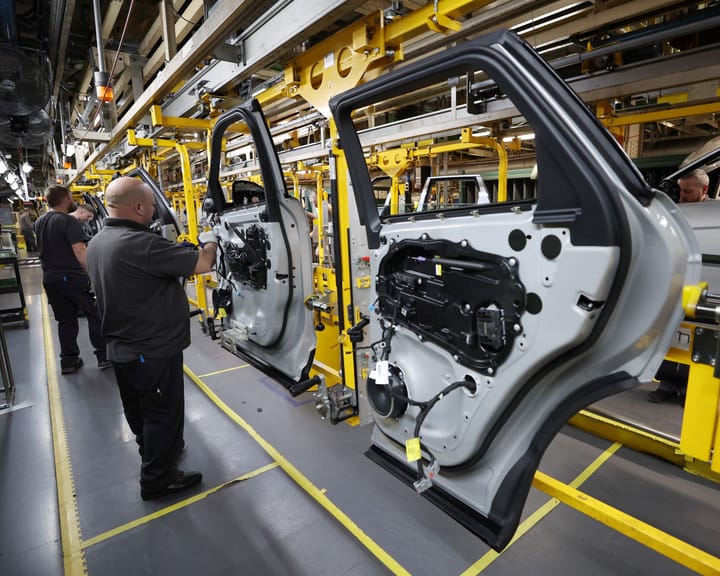
Jaguar Land Rover suppliers voice ‘everything is against us’ amid cutbacks
David Roberts, chair of Coventry-based Evtec, says the outlook for Britain’s automotive sector is grim, with “everything against us.” Evtec is a tier 1 supplier to Jaguar Land Rover, which this week announced 4,000 job cuts over two years despite chancellor John Healey’s attempt to talk
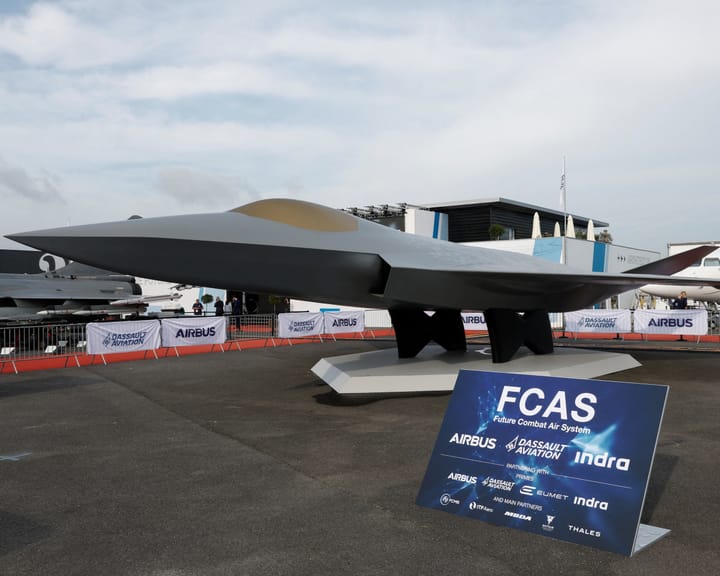
Europe’s fighter jet plans in disarray: what comes next?
When former ECB president and Italian PM Mario Draghi urged Europe to catch up economically with the US and China, defence collaboration was prescribed. No more should each nation build independent boats, tanks or jets; allies should share costs and technologies.
Europe stumbled at the first hurdle. German Chancellor Friedrich
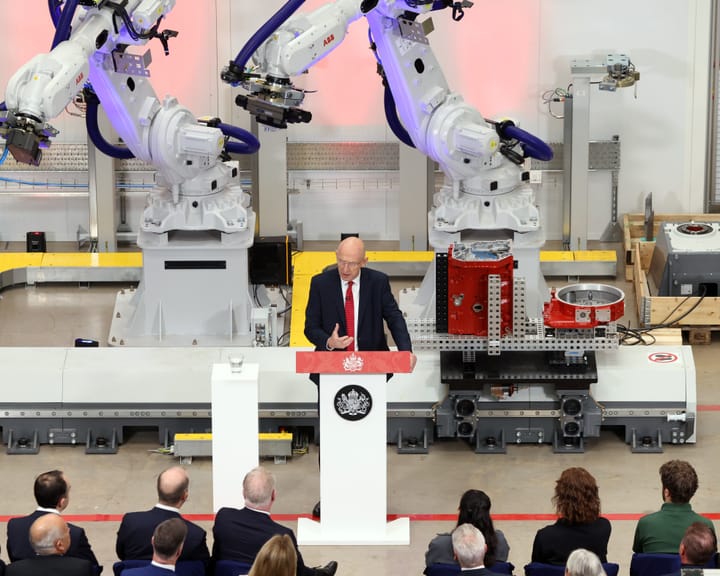
John Healey supports growth but insists Labour must be truthful about spending
John Healey has stated that his primary goal as chancellor will be to boost economic growth, while acknowledging that Labour must be straightforward about controlling public spending at next month's budget.
In his first major address since assuming the role in July, Healey said the leading focus of