
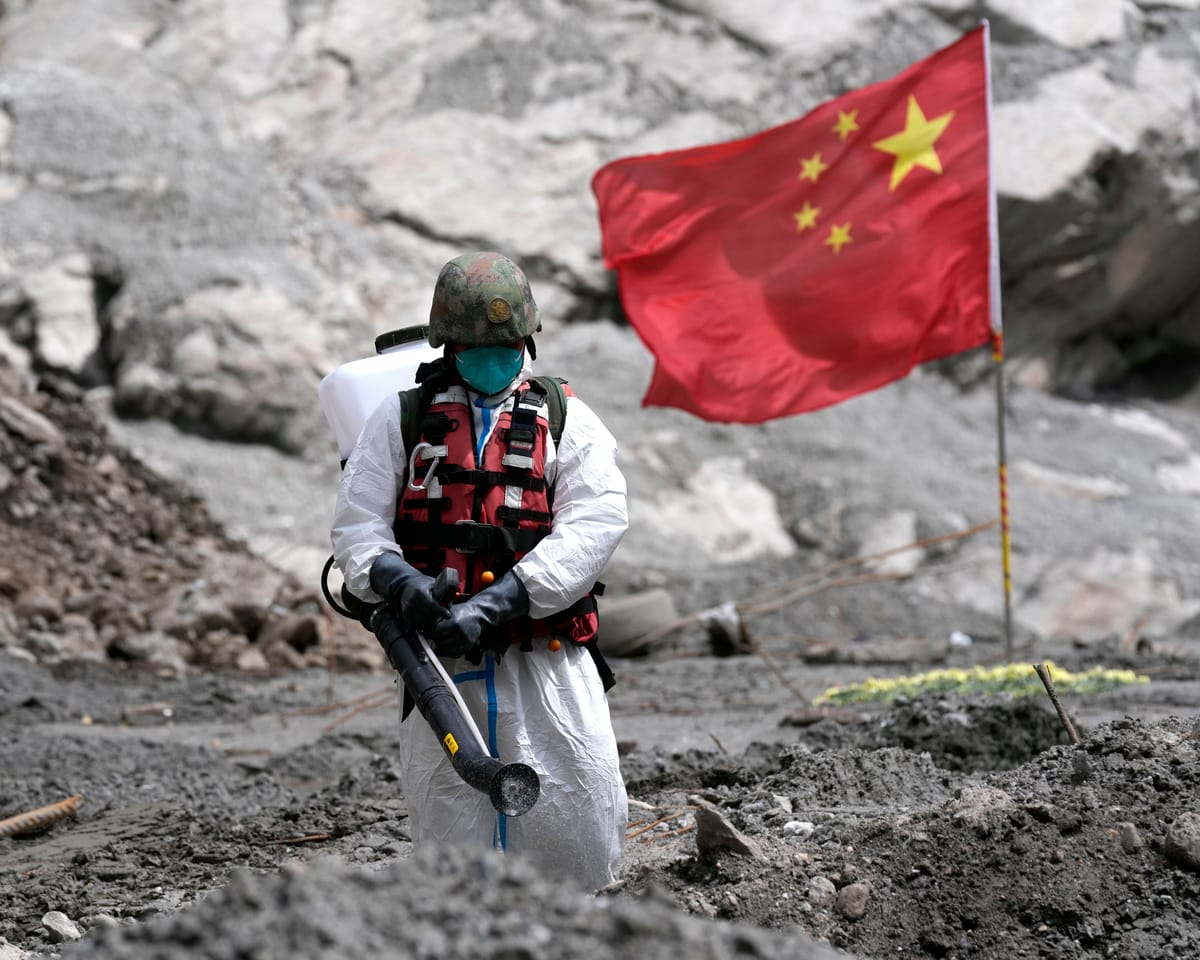
Fan Hong last communicated with her husband on the morning of the Nepal-Tibet disaster. More than a week later, the 31-year-old is urgently seeking information about Lin Bo, who was employed on a Chinese highway project in Nepal. Unable to obtain details from authorities, Fan turned to social media for assistance.
"My husband works on a project in Nepal, about 5 kilometres from the Gyirong border crossing. I want to know what the situation is, but I haven't been able to reach him," the 31-year-old from China's Sichuan province wrote on Rednote.
Her post has received more than 18,000 likes and nearly 4,600 comments. She is one of many in China with missing relatives trying to gather information online, as Tibetan advocacy groups report that information is being restricted on the Tibetan side.
Lin began working on repairing the Syaphrubesi-Rasuwagadhi Highway – which connects Nepal to Tibet, China, through the Gyirong border crossing – in 2024. He had been living on site and working on a 16km stretch of the road.
Fan says rescue missions to the construction site have stopped. She says relatives of survivors are requesting permission from Chinese authorities to send their own drones or helicopters to search for the missing.
"I feel more disheartened with each passing day. Feel colder and colder inside," she told CuriosityNews. "I don't even have any tears left."
It is just over a week since a glacier collapse caused devastating floods along the Nepal-Tibet border, destroying villages and killing more than 1,200 people. On Wednesday, 4,216 remained missing, according to Nepal officials. Chinese authorities say 541 remain unaccounted for on the Tibetan side, including 261 foreign nationals from 23 countries.
The relatively low official death toll from Chinese authorities has also raised concerns among Tibetan advocacy groups, given the scale of destruction seen in video footage. "All we can do is imagine – and that should terrify us," said Tenzin Choekyi from Tibet Watch. As of Thursday, China had officially reported 21 deaths.
While in China, the official narrative focuses heavily on rescue efforts, online posts across Chinese social media show emotional expressions of grief and mourning. On Douyin, photographs of missing border inspection officers are shared under the hashtag "Salute to heroes guarding the nation's gateway".
In China, families with missing relatives say they are depending on information from Nepal, foreign embassies and social media. Tibetan advocacy groups say information on the Tibetan side of the border remains heavily restricted.
On 30 August, Tibetan police reported that 10 people had been punished for spreading what authorities called "false information" about the scale of the disaster online.
"This crackdown is obstructing not just public reporting of the disaster and relief efforts but the basic work of establishing whether communities are alive and receiving the support they need," said Tencho Gyatso, president of the US-based Tibetan advocacy group the International Campaign for Tibet (ICT).
"Sources are now afraid to speak to outside groups including ICT. One source told ICT it was 'extremely unsafe' to speak. Another asked us not to make further contact given the potential ramifications," she said.
Fan says she is mainly depending on information from Nepal.
"Everyone seems to have forgotten about the workers on the Syaphrubesi–Rasuwagadhi Highway project … All the news coverage is about the hydropower station [in Nepal]."
Families of foreign tourists who went missing in Tibet are also urgently seeking information.
British nationals Sridhar Avvari, 43, his wife Deepti, 41, and their 14-year-old son Abhinav went missing near the immigration area at Gyirong on 26 August, close to the Nepal-Tibet border. The family lives in India and relatives believe they crossed over to the Tibetan side.
In a call to the family days earlier, Deepti Avvari told them there would be no signal but she would talk when she returned to an area with network activity. After the flash flood, calls to Deepti's phone stopped connecting.
"There was no signal, so we can't talk … After coming down, I will call you again," Deepti told Priyanka Rapaka, her sister-in-law.
They are waiting for updates.
"We didn't get any information from China … We are checking online only who are rescued and … how many are dead," Rapaka said.
Chinese authorities say they are now able to reach the main disaster zone by road. According to state media, they are describing the region as an active search and rescue operation and are searching for hundreds of missing people.
Naresh Goyal is anxiously waiting for news about his sister, Neetu Goyal Tiwari, a 51-year-old missing British national who flew from India to Kathmandu on 14 August to join an Isha Foundation pilgrimage.
"The last message received is that they have reached Gyirong immigration office. They said they are going to check out." He says he found his sister's name on a list of missing people circulating on social media, but said he is unsure where the list originated. Getting information from Chinese authorities has been difficult.
"Whenever we ask the China government, they are telling us that they will update us through the embassy of the UK," he says.
"It is very painful here. Now we have spent at least seven days and every minute we are waiting," Goyal says.
Read next
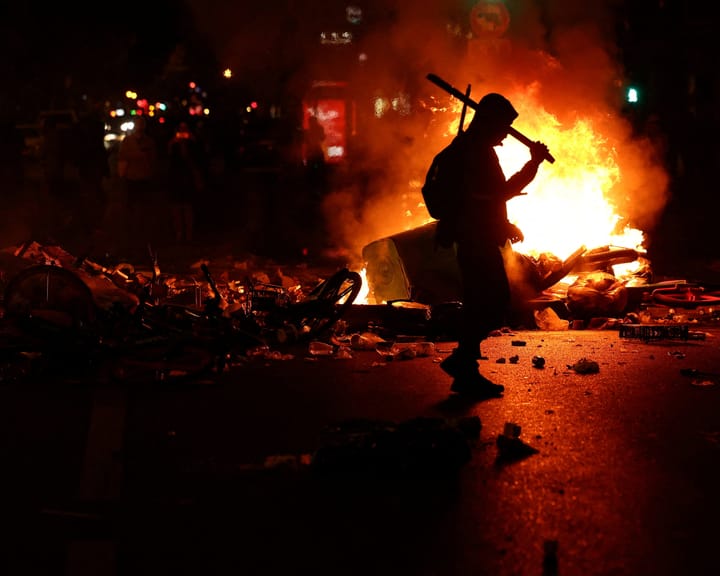
Interior Minister Admits French Police Lost Control Amid Riots
France’s Prime Minister has directed regional authorities to consider implementing partial curfews in certain cities following an admission by the government that police lost control during violent protests over the weekend. Sébastien Lecornu stated after an emergency cabinet meeting that he was determined to restore public order and suggested
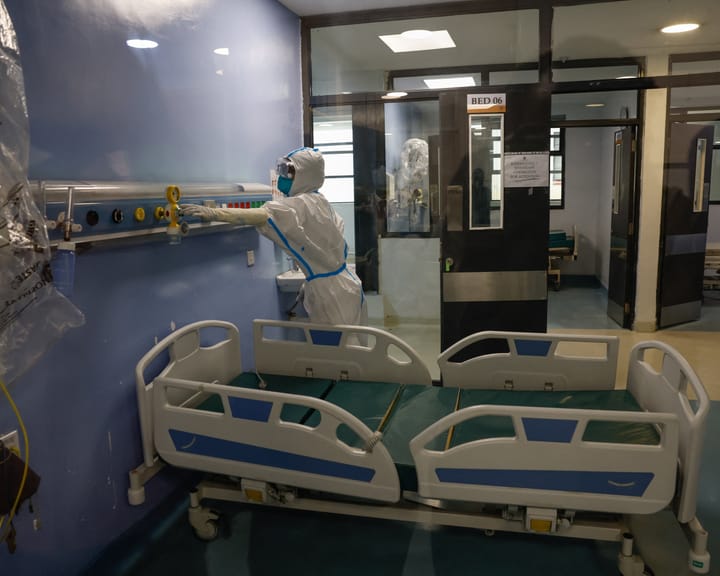
Kenya's Latest Ebola Case Exposes Gaps in U.S. Health Services Following Trump's Budget Cuts
In Kenya, a third individual has tested positive for Bundibugyo ebolavirus, marking the nation's first cluster of Ebola cases. This development occurs as the second-largest Ebola outbreak in history continues to impact the region, resulting in over 4,300 deaths and more than 9,000 infections.
The

France in Chaos as Looting Extends into Second Night: 'War Zone' Descriptions Abound
In the early hours of Monday, two motorbikes carrying passengers each stopped at a traffic light in a backstreet near Paris's bustling rue de Rivoli. One rider remarked to the other about targeting areas with high foot traffic and elaborate shop windows. Shortly thereafter, ten men wearing ski