
Google Permitted to Retain Chrome Browser Under New Court Ruling
A federal judge has ruled that Google will not be required to sell its Chrome browser, marking a pivotal outcome in the tech company’s legal battle over antitrust violations. However, the company must cease certain exclusive agreements with device manufacturers and provide competitors with access to its search engine data.
The decision by Judge Amit Mehta follows months of deliberation over penalties after his 2023 ruling that Google had unlawfully maintained a monopoly in online search. This case, one of the most significant antitrust disputes in years, led to additional hearings in April to determine corrective measures.
The judge’s decision to allow Google to keep Chrome represents a more moderate outcome than what prosecutors sought—forcing the company to divest its flagship search operations and banning it from the browser market for five years. In his 230-page ruling, Mehta stated that the government’s demand for asset divestment was excessive.
While Google avoided the harshest penalties, the ruling restricts the company from making or maintaining exclusive distribution deals for products such as Chrome, Google Assistant, and the Gemini app. It does not, however, prohibit financial agreements with distributors, as a broad restriction could cause unintended consequences.
Following the decision, Google’s stock rose in after-hours trading, signaling investor confidence in the favorable ruling.
Criticism emerged from the American Economic Liberties Project, a nonprofit advocacy group, which called the ruling a “complete failure.”
“Convicting someone of bank robbery shouldn’t result in merely writing a thank-you note for the stolen money,” said Nidhi Hegde, the organization’s executive director. “Likewise, finding Google guilty of monopolization should not lead to a remedy that protects its dominance.”
Google maintained in its defense that its search dominance resulted from superior technology, not anticompetitive practices. Prosecutors, however, revealed that the company had spent billions securing default placement on devices from manufacturers like Samsung and Apple, securing roughly 90% of the U.S. search market.
Last year, Mehta ruled that Google had “acted as a monopolist to maintain its control.” This week’s decision noted shifts in the search industry since the case concluded, shaping the remedies accordingly.
Read next
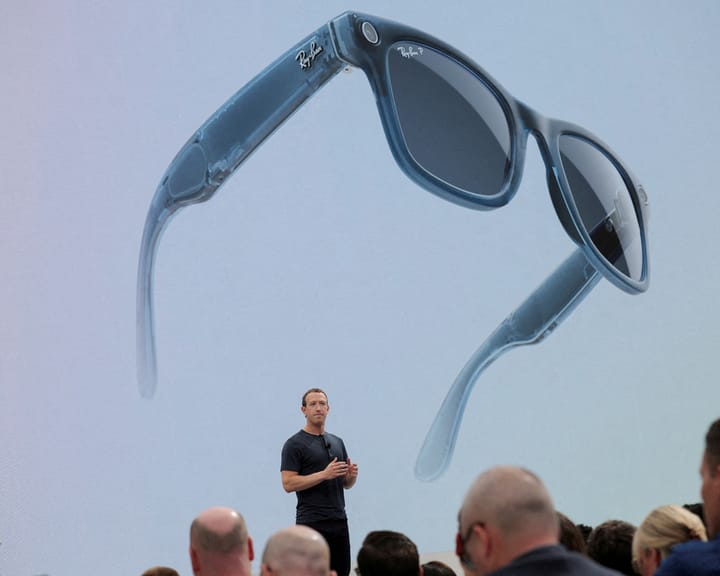
US officers worry Meta smart glasses could covertly record them
In January, the NYPD’s counterterrorism unit warned officers about a new security threat: Ray-Ban Meta glasses. A memo directed officers to “conduct thorough inspections of all eyewear permitted within inmate cells,” cautioning that recently arrested individuals could use the devices’ small cameras and microphones to record inside police
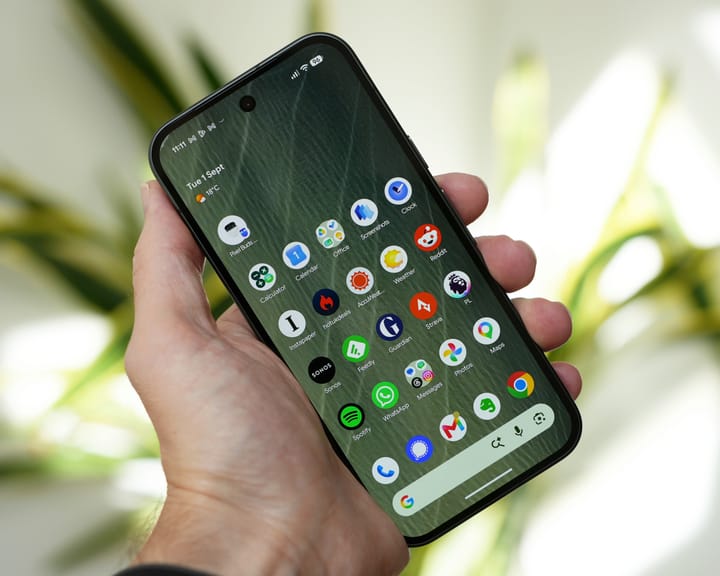
Google's Pixel 11 sets new standard for flagship phones, review finds
Google’s Pixel 11 continues to define what a base flagship phone should deliver, with leading cameras, extended software support and nearly all the features of its pricier siblings.
The standard Pixel 11 is priced at £879 (€999/$899/A$1,499), £80 higher than its previous version, reflecting ongoing

AI Expert Father of Three Shares Essential Insights for Parents on Artificial Intelligence
A father once promised his child they would write a story together called "The Day Nobody Went to Disneyland." The plot imagined a perfect day when the entire world avoided the park, expecting crowds, leaving it completely empty for a father and child to enjoy alone. Three decades