
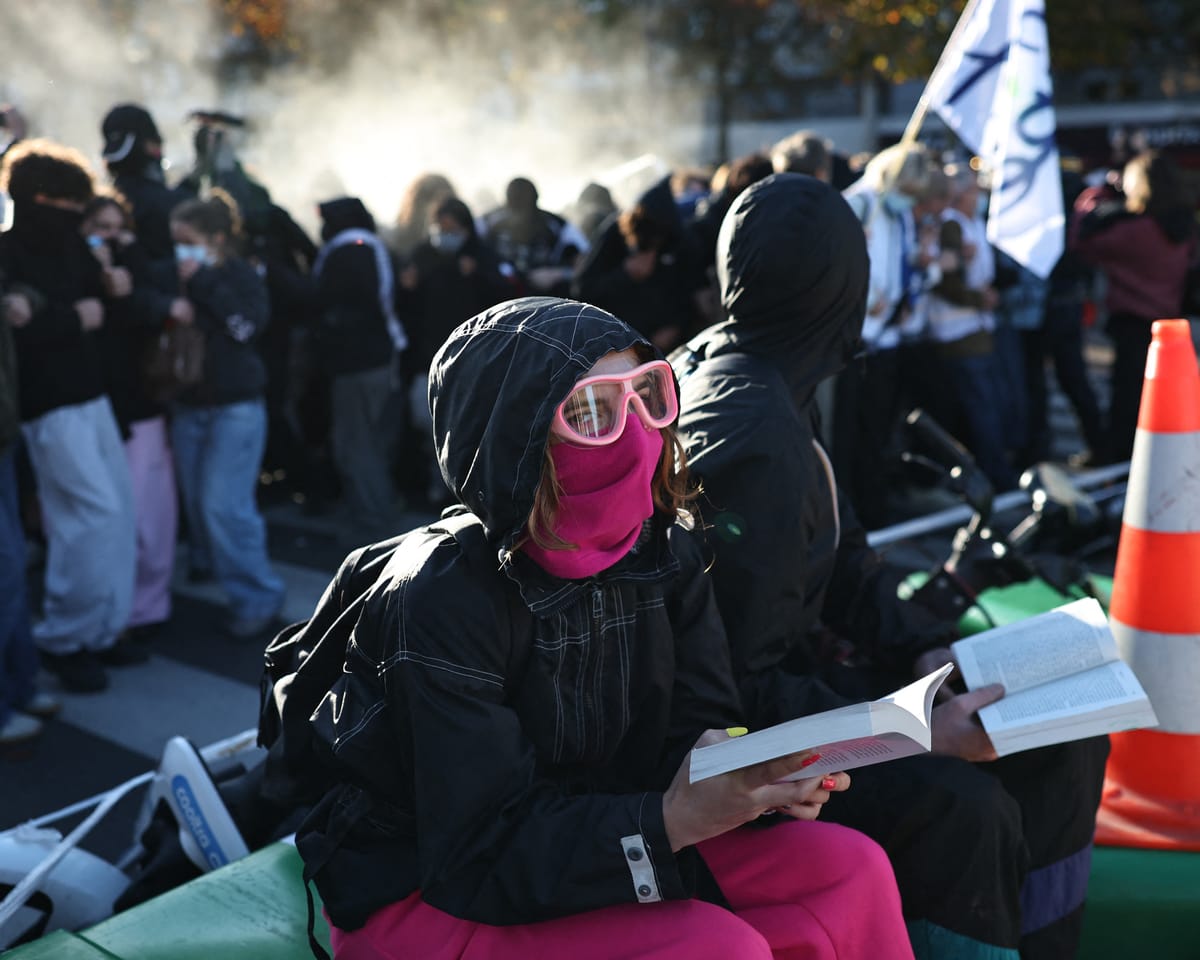
High school students in France have once again organized blockades and marches through major cities, vowing to continue their protest despite government promises to address their concerns. Over the past 10 days, these protests have resulted in hundreds of injuries.
On Thursday, large crowds participated in mostly peaceful demonstrations across cities like Lille, Rennes, Nantes, Lyon, Toulon, and Marseille. In Paris, a procession culminated at Place de la Bastille. Eliane, a 16-year-old student, expressed her support, stating she was there to bolster her peers, describing the march as “magnificent.” She emphasized her commitment to continue until significant progress is made.
Education Minister Édouard Geffray announced an emergency plan to replace absent teachers on a long-term basis after meeting with students and teachers in Reims. The plan also includes reviewing heavy timetables and revising the criticized university application system. Prime Minister Sébastien Lecornu has pledged a “concrete, rapid, and fully funded” response by the end of the month.
However, students have expressed dissatisfaction with the government's response. Ryad Rani, president of a high school student union, criticized the lack of concrete measures, declaring the movement will persist. Similarly, Sabrine Kharbach, from another students’ association, stated the protest will continue until €10 billion is allocated to urgently improve schools.
An Elabe poll for BFM TV revealed that 72% of French citizens consider the students’ demands legitimate, though 55% believe the protests should end. Unions have called for another national day of action next Tuesday.
Despite fewer school closures compared to previous days, with 224 closed in the morning and 157 by lunchtime, several marches still drew up to 5,000 participants. These demonstrations, supported by teachers, parents, and unions, led to further clashes with police, especially in Paris, where riot officers used water cannons in Rennes.
Students have protested against the heavy-handed police response, with banners criticizing the treatment of young protesters. Demonstrations have seen some setting fires and throwing projectiles at police, who have used batons, tear gas, and riot-control rounds in response.
Since the protests began, over 1,075 individuals, including teenagers, school staff, and police officers, have been injured. The government suspended the use of stun grenades following a severe injury to a teenager, while denying claims of police repression.
The protests have highlighted the tension between demands for investment in public services and the need to manage France’s budget deficit and debt. Economy Minister Roland Lescure noted potential room to increase school funding in the 2027 budget, which currently proposes a 1.4% increase.
With a presidential election approaching, politicians are leveraging the protests. Marine Le Pen, the far-right frontrunner, has criticized the state of schools, suggesting parents should cover repair costs. Meanwhile, Jean-Luc Mélenchon, her hard-left opponent, has praised the protesters and condemned police actions.
Read next
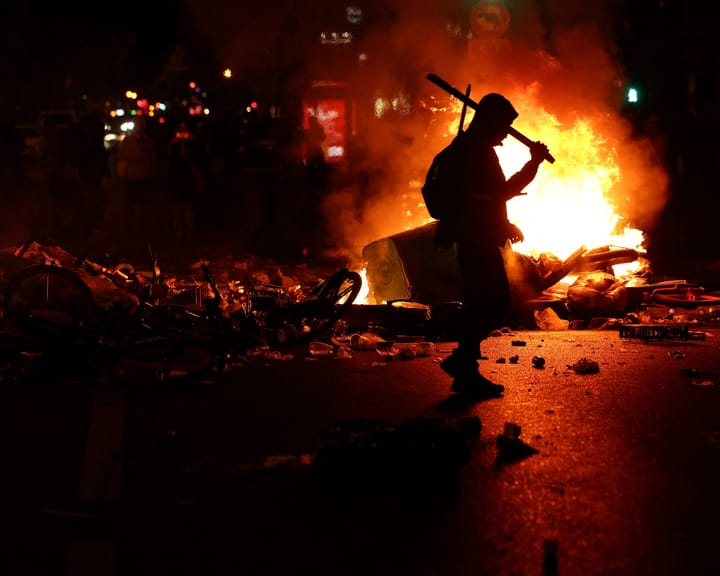
Interior Minister Admits French Police Lost Control Amid Riots
France’s Prime Minister has directed regional authorities to consider implementing partial curfews in certain cities following an admission by the government that police lost control during violent protests over the weekend. Sébastien Lecornu stated after an emergency cabinet meeting that he was determined to restore public order and suggested
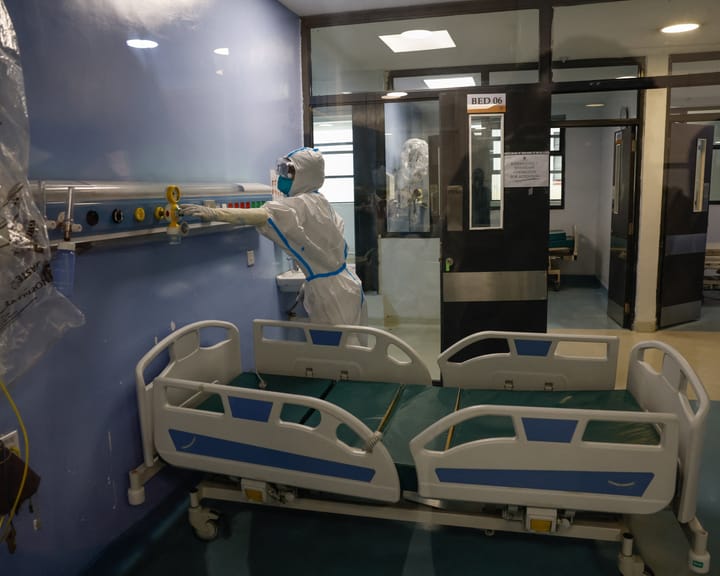
Kenya's Latest Ebola Case Exposes Gaps in U.S. Health Services Following Trump's Budget Cuts
In Kenya, a third individual has tested positive for Bundibugyo ebolavirus, marking the nation's first cluster of Ebola cases. This development occurs as the second-largest Ebola outbreak in history continues to impact the region, resulting in over 4,300 deaths and more than 9,000 infections.
The
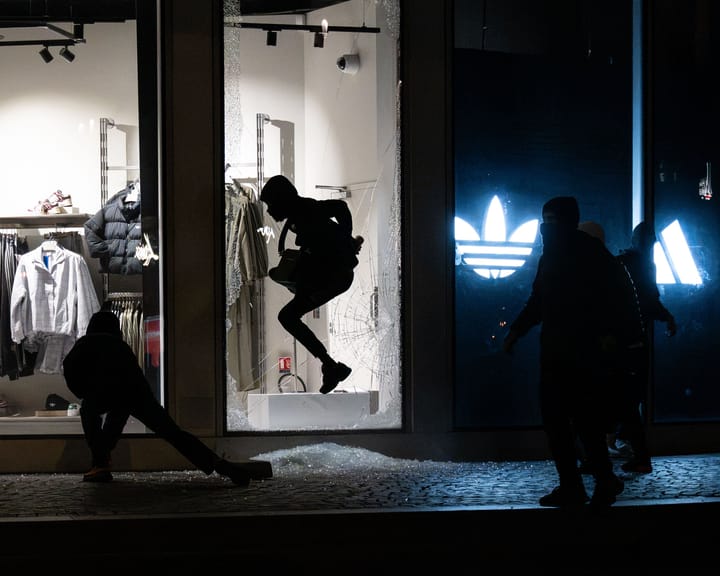
France in Chaos as Looting Extends into Second Night: 'War Zone' Descriptions Abound
In the early hours of Monday, two motorbikes carrying passengers each stopped at a traffic light in a backstreet near Paris's bustling rue de Rivoli. One rider remarked to the other about targeting areas with high foot traffic and elaborate shop windows. Shortly thereafter, ten men wearing ski