
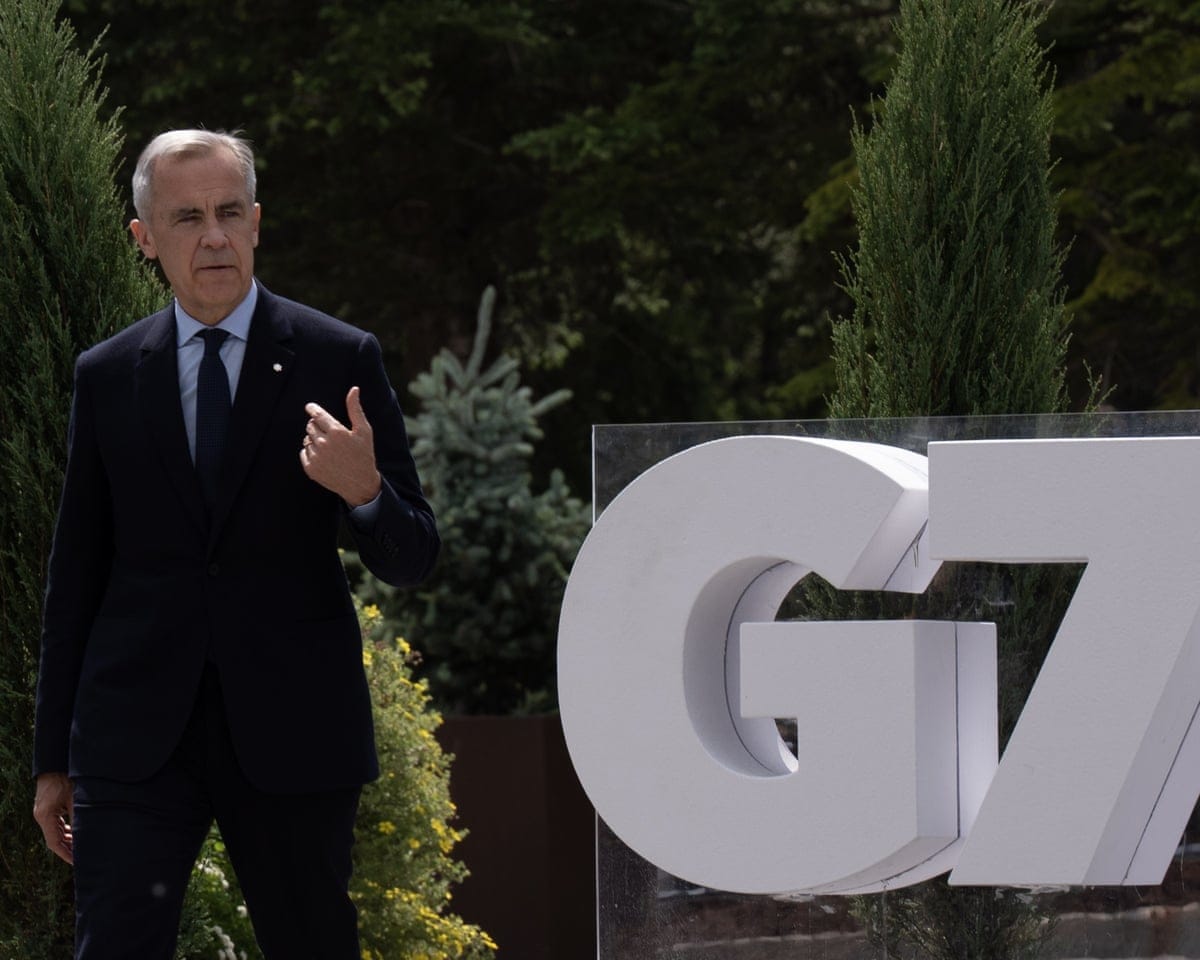
The US Treasury has struck an agreement with other G7 nations, ensuring that previously established global minimum tax rules will not apply to American firms. The G7 governments yielded to strong pressure from former President Donald Trump and lobbying efforts by multinational corporations in Washington, London, Brussels, and elsewhere—much like India and, more recently, Canada, which backed down on digital taxation policies.
Years ago, global leaders acknowledged that many large corporations were not paying adequate taxes, often avoiding contributions in the countries where their economic activity took place. The broad agreement reached in 2021 under the OECD/G20 Inclusive Framework on Base Erosion and Profit Shifting included two components, but only Pillar Two—a worldwide minimum corporate tax—was implemented. (The other measure, which distributed taxation rights among nations, faced resistance from developing countries and the US.)
Though flawed, Pillar Two was a key effort to impose a 15% minimum tax on multinational profits globally, curbing harmful tax competition between nations. Some exemptions reduced the effective rate below 15%, while many developing countries already imposed higher rates—meaning the minimum should have been stronger. Still, the deal prevented a damaging race to the bottom in corporate tax rates, where countries slashed taxes to attract businesses. This competition rarely resulted in substantial new investment; instead, it mainly benefited large corporations that avoided taxes entirely in certain jurisdictions.
Yet once again, G7 leaders have prioritized multinational corporations over developing nations, small businesses (which lack the resources to exploit tax loopholes), and their own citizens—who may now face higher taxes. By excluding US firms from Pillar Two, the deal permits some companies to continue paying little or no tax on profits reported in low-tax areas such as Puerto Rico and the Cayman Islands, giving them an advantage over non-US competitors.
Since multinational companies frequently shift their official headquarters to secure tax advantages—while their real operations remain elsewhere—this preferential treatment for US firms encourages further corporate relocations. This undermines the original purpose of the tax agreement: to create a fairer system where companies contribute their share, no matter where they operate. Instead, the latest deal reinforces inequities, favoring US firms at the expense of broader economic balance.
Read next
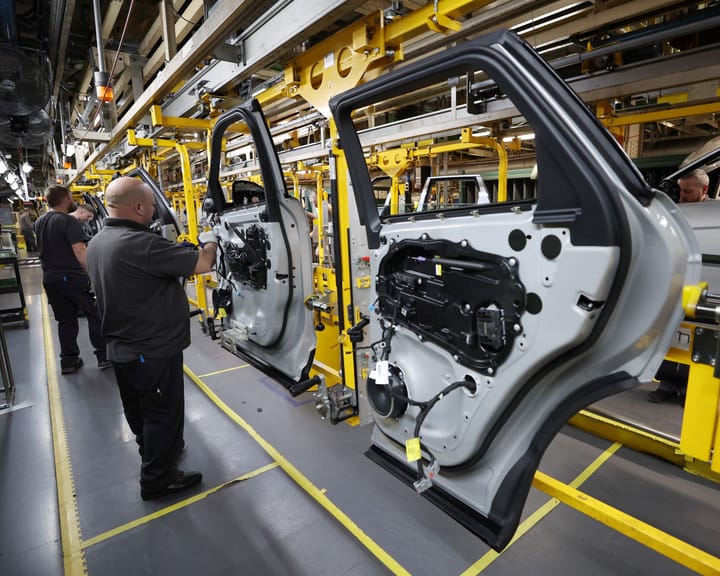
Jaguar Land Rover suppliers voice ‘everything is against us’ amid cutbacks
David Roberts, chair of Coventry-based Evtec, says the outlook for Britain’s automotive sector is grim, with “everything against us.” Evtec is a tier 1 supplier to Jaguar Land Rover, which this week announced 4,000 job cuts over two years despite chancellor John Healey’s attempt to talk

Europe’s fighter jet plans in disarray: what comes next?
When former ECB president and Italian PM Mario Draghi urged Europe to catch up economically with the US and China, defence collaboration was prescribed. No more should each nation build independent boats, tanks or jets; allies should share costs and technologies.
Europe stumbled at the first hurdle. German Chancellor Friedrich
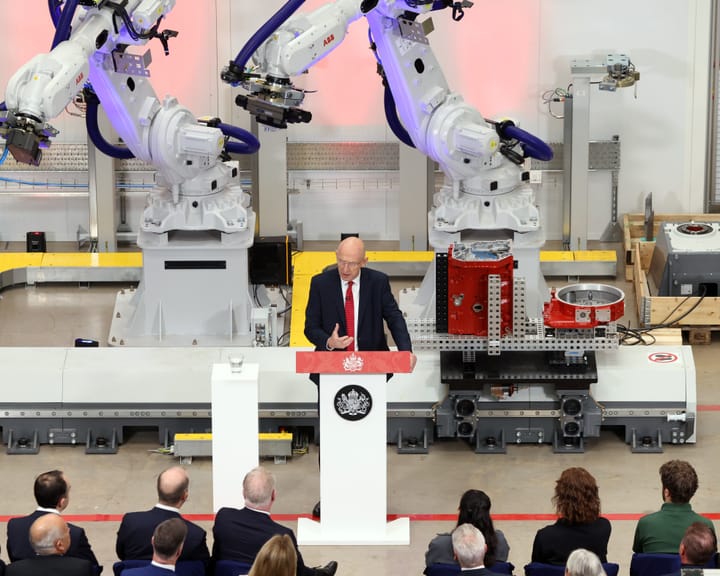
John Healey supports growth but insists Labour must be truthful about spending
John Healey has stated that his primary goal as chancellor will be to boost economic growth, while acknowledging that Labour must be straightforward about controlling public spending at next month's budget.
In his first major address since assuming the role in July, Healey said the leading focus of