
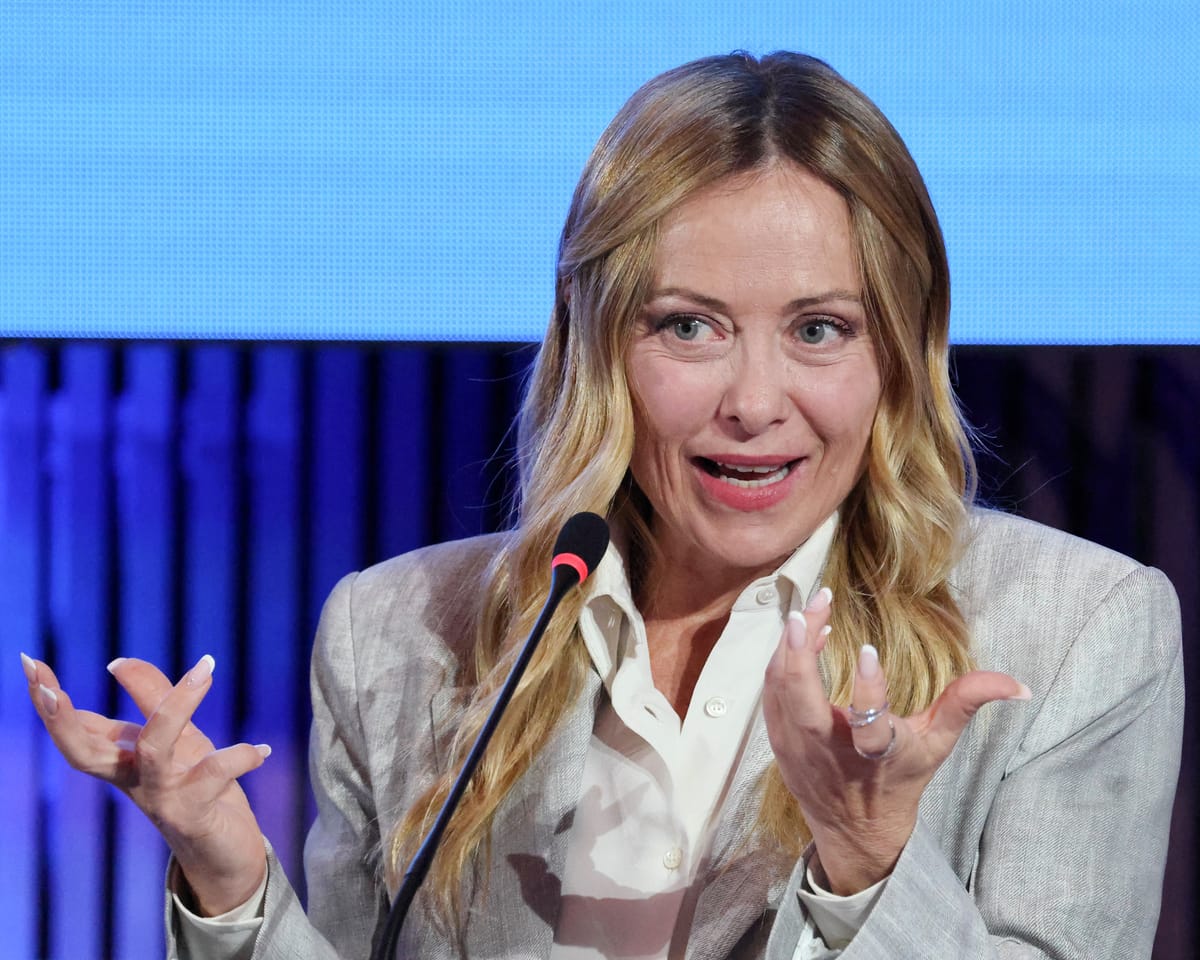
Italy's parliament has given final approval to a contentious reform of electoral law, which critics claim is intended to enhance Giorgia Meloni’s chances of maintaining power in next year’s elections. Meloni, the current Italian Prime Minister, argues that the new system, which implements a fully proportional model with bonus seats for the winning coalition, will foster greater political stability. However, opposition parties contend that it primarily benefits those in power.
The reform was passed in a secret vote in the lower house, with 227 MPs voting in favor and 164 against. Opposition politicians protested, holding signs that labeled the law as a “scam” and a “con” following the announcement of the result. They have pledged to contest the changes in the constitutional court, claiming that the bonus seat provision, awarded to any coalition achieving at least 42% of the vote, distorts voter representation.
Another contentious aspect of the reform requires parties and alliances to present their government program and nominate their prime ministerial candidate well before a general election.
Meloni, leader of the far-right Brothers of Italy, presented the vote as a critical test for her ruling right-wing coalition, cautioning her allies, including Forza Italia and the League, that a defeat would precipitate a government crisis. Despite internal tensions and the emergence of a new far-right rival, Roberto Vannacci, leader of Futuro Nazionale, the coalition has displayed unity and stability, becoming Italy’s longest-serving government since World War II in early September. In contrast, the broad left-wing alliance, led by the Democratic Party, is divided with no clear leadership or program.
Meloni celebrated the reform's passage, stating it was a rebuttal to those hoping to see her coalition divided. “Today we respond with action: we are united, cohesive and determined to fulfill the commitments made to citizens,” she posted on social media.
Elly Schlein, leader of the Democratic Party, suggested that Meloni’s alliance sought the electoral system change due to fears of losing the next general election, officially scheduled before October 2027 but potentially held earlier in April or May. A recent Ipsos Doxa survey indicates that the opposition coalition might reach the 42% threshold if it resolves internal divisions and secures the support of two small radical parties.
Read next
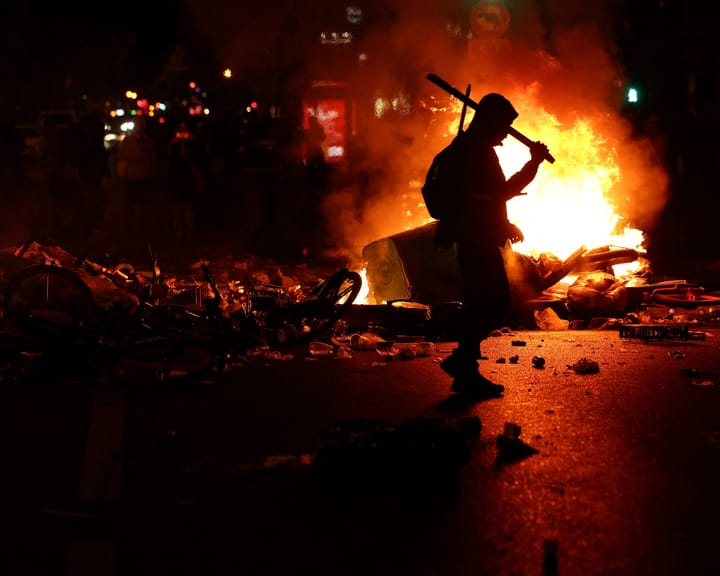
Interior Minister Admits French Police Lost Control Amid Riots
France’s Prime Minister has directed regional authorities to consider implementing partial curfews in certain cities following an admission by the government that police lost control during violent protests over the weekend. Sébastien Lecornu stated after an emergency cabinet meeting that he was determined to restore public order and suggested
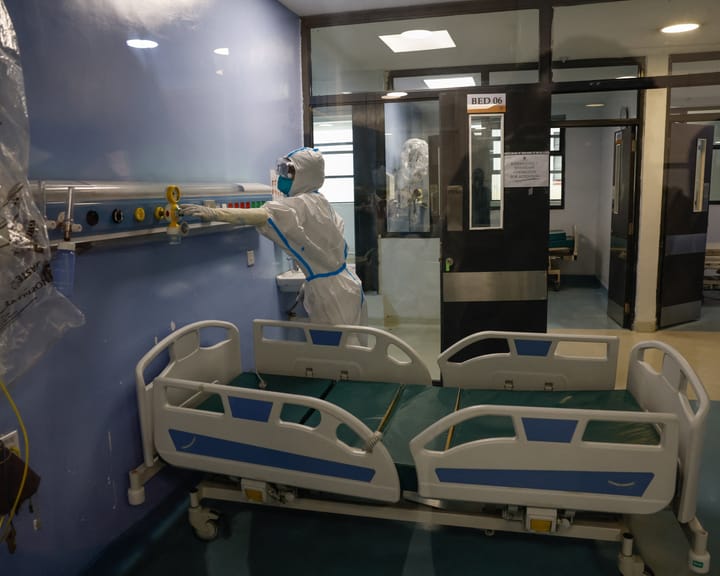
Kenya's Latest Ebola Case Exposes Gaps in U.S. Health Services Following Trump's Budget Cuts
In Kenya, a third individual has tested positive for Bundibugyo ebolavirus, marking the nation's first cluster of Ebola cases. This development occurs as the second-largest Ebola outbreak in history continues to impact the region, resulting in over 4,300 deaths and more than 9,000 infections.
The
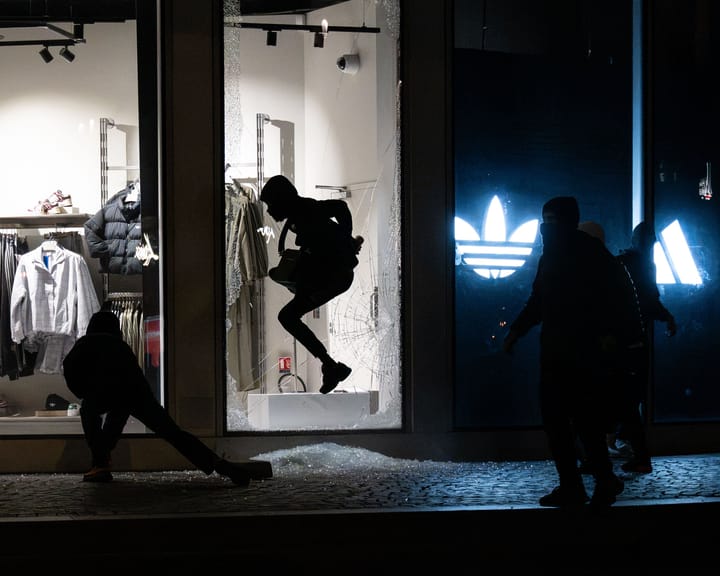
France in Chaos as Looting Extends into Second Night: 'War Zone' Descriptions Abound
In the early hours of Monday, two motorbikes carrying passengers each stopped at a traffic light in a backstreet near Paris's bustling rue de Rivoli. One rider remarked to the other about targeting areas with high foot traffic and elaborate shop windows. Shortly thereafter, ten men wearing ski