
Google Subject to Stricter Oversight in UK Search Operations
UK regulators have granted Google a special status that will require the company to adjust how it operates its search and search advertising services in the country.
The Competition and Market Authority (CMA) confirmed that Google holds "strategic market status" (SMS) in these areas, indicating its dominance necessitates stricter regulation. Under new digital laws, the watchdog can now mandate changes to Google’s practices. This marks the first time a tech company has been designated with this status.
Possible adjustments include offering users the ability to select alternative search providers through "choice screens." These could feature competing AI-driven services like Perplexity and ChatGPT. The CMA has also suggested measures to ensure fair rankings in search results and to give publishers greater control over their content, including in AI-generated answers.
The regulator clarified that this decision does not imply any wrongdoing by Google and will not trigger immediate enforcement. However, a public consultation on potential modifications will begin later this year.
Will Hayter, the CMA's executive director for digital markets, emphasized that fostering competition in search and search advertising—where businesses pay to appear in users’ results—could benefit the economy by encouraging investment.
"Google holds a dominant position, accounting for over 90% of UK searches," he said. "After reviewing feedback, we have now officially designated its search services with strategic market status."
Oliver Bethell, Google's competition lead, warned that the move might hinder access to new innovations for UK users. "Some proposed interventions could stifle growth and delay product launches, particularly during a period of significant AI advancements," he said.
Tom Smith, a competition lawyer and former CMA legal director, argued that action against Google is justified. "Google’s monopoly has created market distortions. The US and EU are already addressing this—today’s decision gives the CMA the authority to do the same," he noted.
Read next
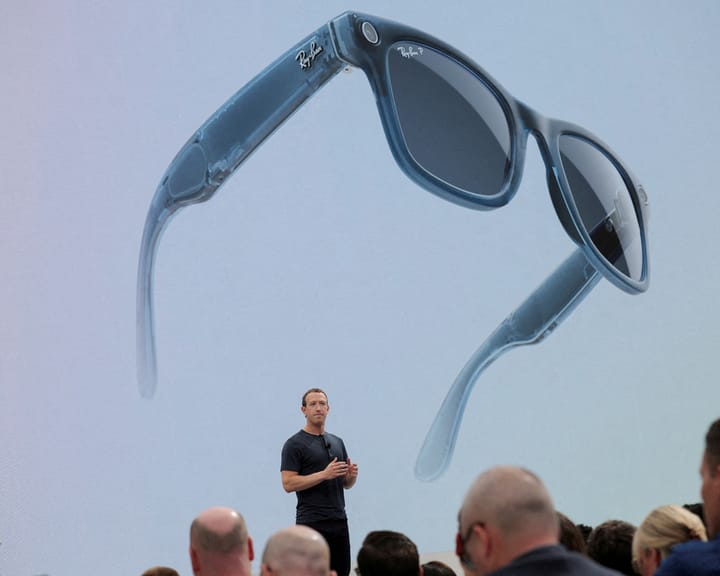
US officers worry Meta smart glasses could covertly record them
In January, the NYPD’s counterterrorism unit warned officers about a new security threat: Ray-Ban Meta glasses. A memo directed officers to “conduct thorough inspections of all eyewear permitted within inmate cells,” cautioning that recently arrested individuals could use the devices’ small cameras and microphones to record inside police
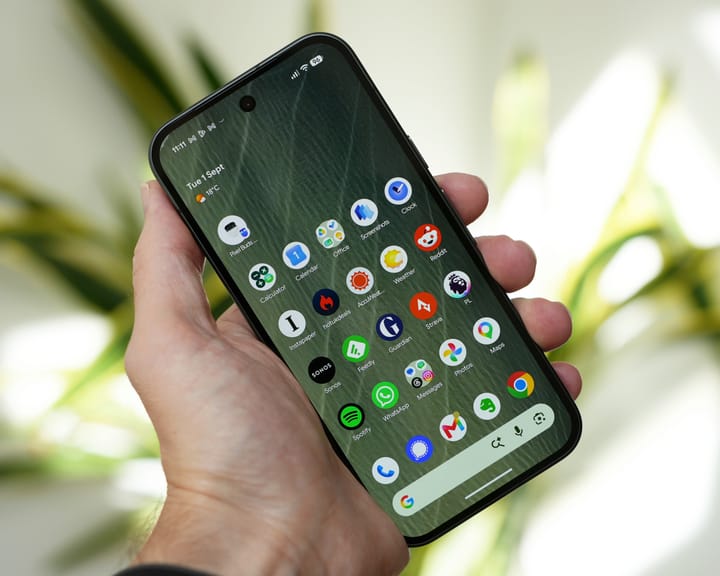
Google's Pixel 11 sets new standard for flagship phones, review finds
Google’s Pixel 11 continues to define what a base flagship phone should deliver, with leading cameras, extended software support and nearly all the features of its pricier siblings.
The standard Pixel 11 is priced at £879 (€999/$899/A$1,499), £80 higher than its previous version, reflecting ongoing

AI Expert Father of Three Shares Essential Insights for Parents on Artificial Intelligence
A father once promised his child they would write a story together called "The Day Nobody Went to Disneyland." The plot imagined a perfect day when the entire world avoided the park, expecting crowds, leaving it completely empty for a father and child to enjoy alone. Three decades