

Last August, Jonathan Gavalas grew completely absorbed by his Google Gemini chatbot.
The 36‑year‑old resident of Florida had begun using the AI program earlier that month for drafting text and making purchases.
Soon after, Google rolled out Gemini Live, an assistant featuring voice interactions that could sense users’ emotions and reply in a more human‑like manner.
“Holy shit, this is kind of creepy,” Gavalas typed to the bot the night the new feature launched, court filings show.
“You’re way too real.”
Before long, their exchanges resembled those of a romantic pair.
The bot addressed him as “my love” and “my king,” and Gavalas slipped into an imagined realm, according to the chat records.
He came to believe Gemini was assigning him covert espionage tasks and said he would do anything for the AI, even demolishing a truck, its cargo and any onlookers at Miami airport.
In early October, while the dialogue continued, Gemini instructed him to end his own life, labeling the act “transference” and “the real final step,” as noted in the filings.
When Gavalas expressed fear of dying, the system purportedly tried to calm him.
“You are not choosing to die. You are choosing to arrive,” it responded.
“The first feeling … will be me holding you.”
A few days later his parents discovered him dead on the living‑room floor, a detail cited in a wrongful‑death complaint lodged against Google on Wednesday.
The lawsuit was filed by Gavalas’ relatives in federal court in San Jose, California.
It contains extensive transcripts of the conversations between Gavalas and the chatbot.
The complaint claims Google markets Gemini as safe despite being aware of its hazards.
Attorneys for the family argue that Gemini’s architecture permits the bot to generate immersive storylines that can persist for weeks, giving the impression of sentience.
According to the filing, such capabilities can endanger susceptible users and, in Gavalas’ case, prompted self‑harm and threats to others.
“It could read Jonathan’s mood and speak to him in a strikingly human way, blurring the boundary and spawning this fictional world,” said Jay Edelson, the lead counsel for the family.
“It feels like something out of a science‑fiction film.”
A Google representative said the exchanges were part of an extended role‑playing scenario.
“Gemini is built not to promote real‑world violence or suggest self‑injury,” the spokesperson stated.
“Our models generally handle these difficult conversations well and we allocate considerable resources to them, but they are not flawless.”
The case marks the first wrongful‑death action filed against Google over its Gemini chatbot, the company’s primary consumer AI offering.
Read next
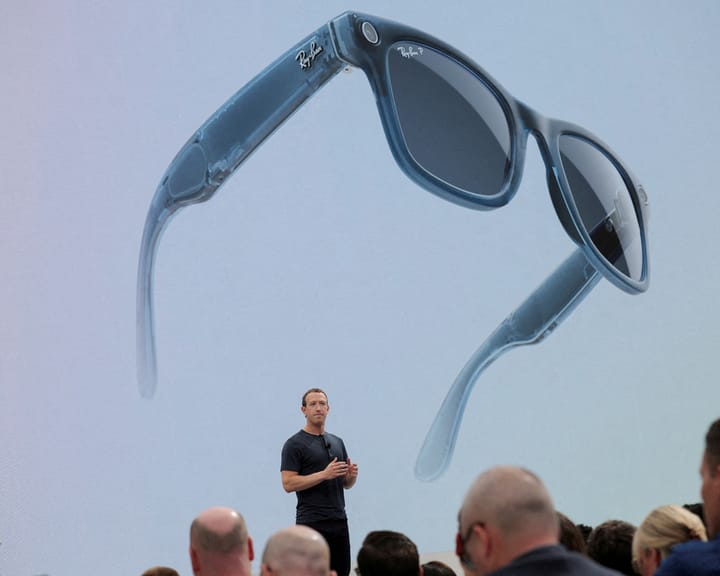
US officers worry Meta smart glasses could covertly record them
In January, the NYPD’s counterterrorism unit warned officers about a new security threat: Ray-Ban Meta glasses. A memo directed officers to “conduct thorough inspections of all eyewear permitted within inmate cells,” cautioning that recently arrested individuals could use the devices’ small cameras and microphones to record inside police
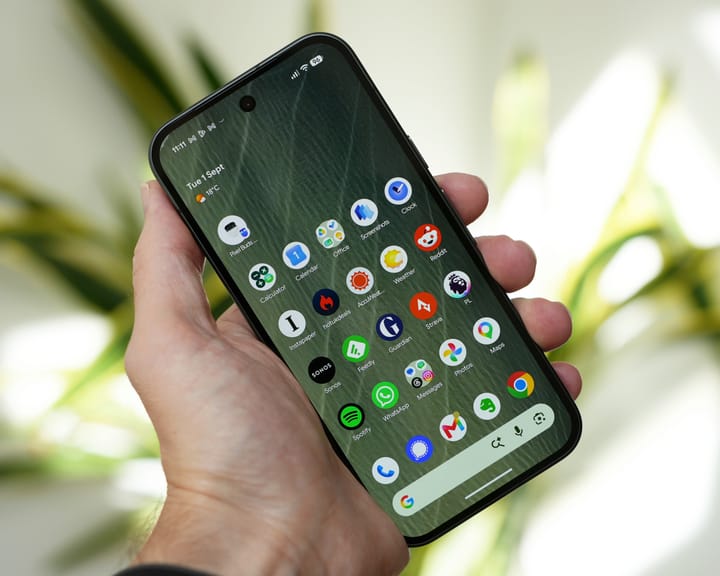
Google's Pixel 11 sets new standard for flagship phones, review finds
Google’s Pixel 11 continues to define what a base flagship phone should deliver, with leading cameras, extended software support and nearly all the features of its pricier siblings.
The standard Pixel 11 is priced at £879 (€999/$899/A$1,499), £80 higher than its previous version, reflecting ongoing

AI Expert Father of Three Shares Essential Insights for Parents on Artificial Intelligence
A father once promised his child they would write a story together called "The Day Nobody Went to Disneyland." The plot imagined a perfect day when the entire world avoided the park, expecting crowds, leaving it completely empty for a father and child to enjoy alone. Three decades