
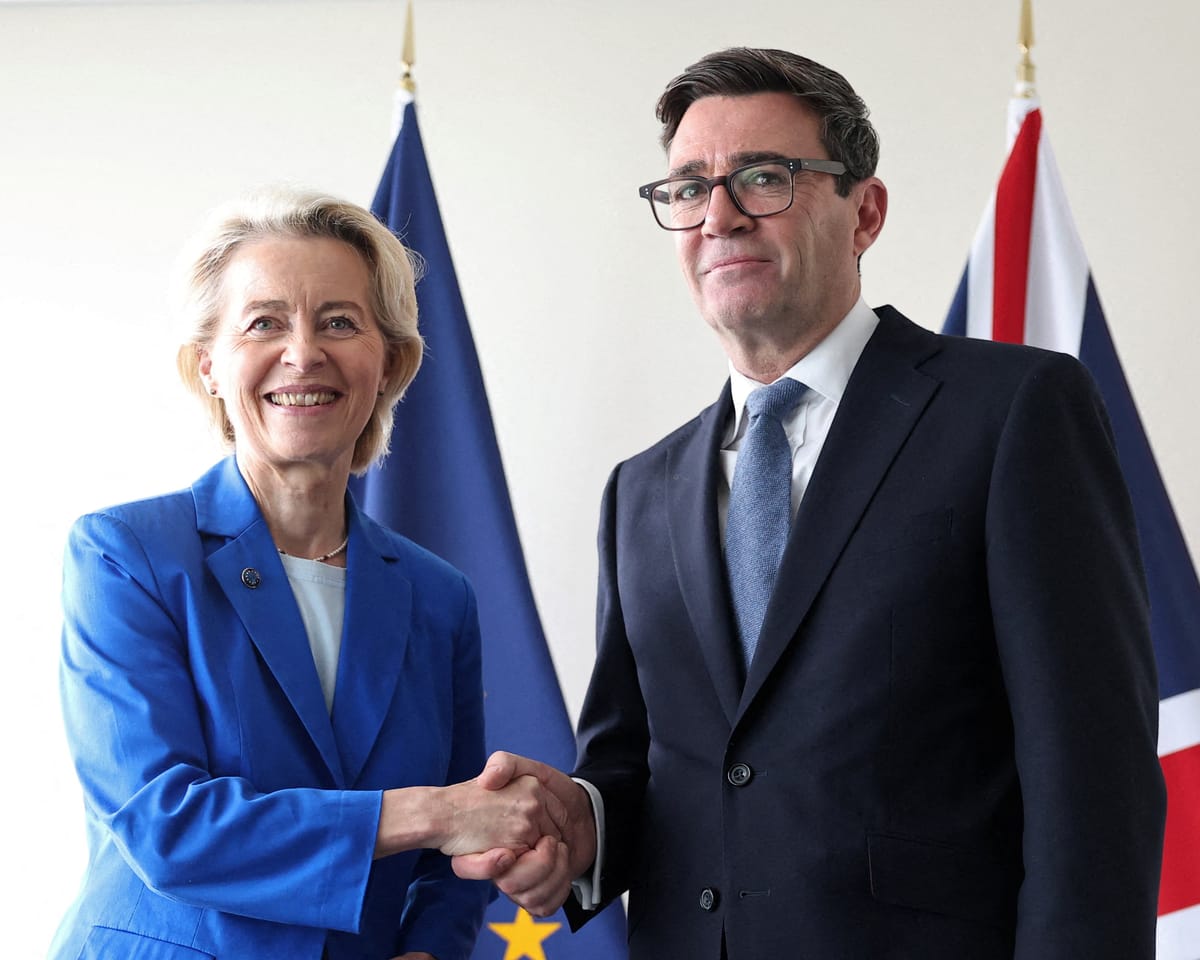
Andy Burnham initiated a subtle shift in the UK's stance on Brexit during his first address as leader to the Labour Party's annual conference. He candidly admitted that Brexit has been more detrimental than beneficial, breaking a longstanding silence within his party. By moving away from former leader Keir Starmer's stringent 'red lines' on Europe, Burnham indicated he might not adhere to these limitations post-election.
Over the next six weeks, Burnham plans to assess public opinion on the UK's future relationship with Europe, with rejoining the EU being a potential option. Starmer's 2024 manifesto included non-negotiables meant to reassure Brexit supporters, but these constraints have limited Labour's engagement with Europe to mere expressions of goodwill.
The economic drawbacks of Brexit are well-documented, with GDP losses estimated between 6% to 8%. Burnham's acknowledgment of these issues marks a significant moment, as he suggests Brexit might not be working as intended. This perspective contrasts with Starmer's previous stance of improving upon Johnson's Brexit deal.
While Burnham has not committed to a specific electoral strategy, all possibilities, including a customs union or rejoining the single market, remain open. He has notably shifted the party's perspective by addressing Brexit directly, rather than avoiding the topic to dodge Eurosceptic criticism.
Burnham's choice to tackle Brexit at this time is driven by economic considerations. His proposed reforms, like overhauling the social care system, require substantial funding, which could be bolstered by rejoining the EU to stimulate economic growth. The initial 'reset' agenda is stalled, and attempts to negotiate a selective single market with the EU have failed, highlighting the limitations of the UK's bargaining power outside the EU.
Labour's loss of votes to more left-leaning parties, such as the Greens, suggests that a progressive stance on Europe might be a strategic risk. Recent polls indicate that nearly half of the UK population supports rejoining the EU, aligning with Burnham's views.
Nigel Farage was the only major opponent to respond positively to Burnham's comments, while the Conservative Party, focused on economic growth, may not oppose re-engagement with the EU due to public dissatisfaction with Brexit's economic impact.
European dynamics are also influencing the situation. French President Emmanuel Macron's response to Burnham's remarks, though possibly sarcastic, highlights the EU's protectionist 'Made in Europe' initiative. This plan aims to fortify the EU against global competition, potentially excluding UK goods from the internal market. As the EU expands its strategic scope, the disadvantages of remaining outside become more pronounced.
Burnham's consideration of rejoining the EU reflects these geopolitical shifts. The debate will need to address not only the feasibility of rejoining but also the EU's evolved role and policies since the UK's departure.
Read next
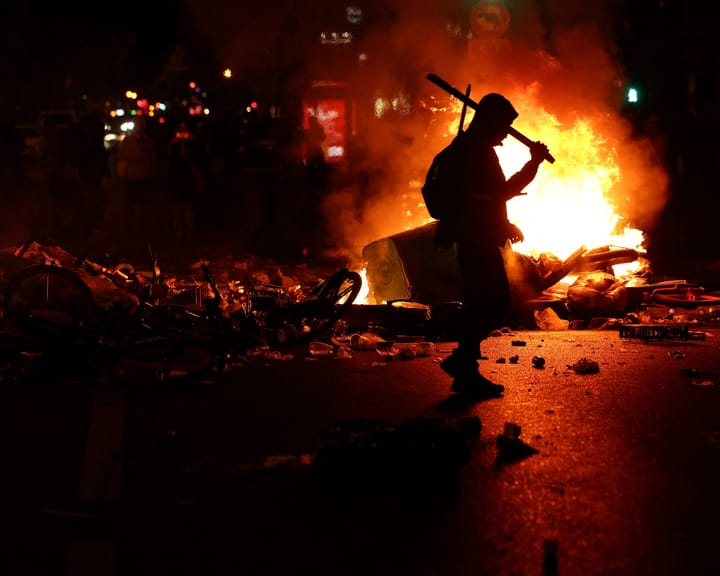
Interior Minister Admits French Police Lost Control Amid Riots
France’s Prime Minister has directed regional authorities to consider implementing partial curfews in certain cities following an admission by the government that police lost control during violent protests over the weekend. Sébastien Lecornu stated after an emergency cabinet meeting that he was determined to restore public order and suggested
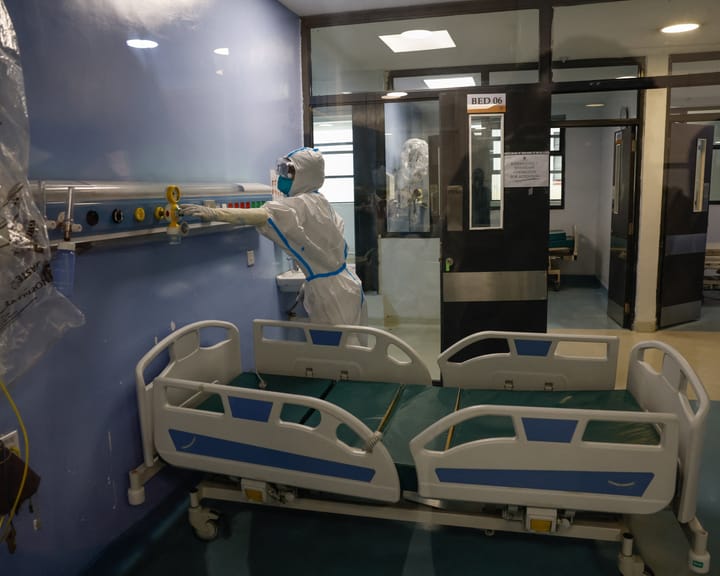
Kenya's Latest Ebola Case Exposes Gaps in U.S. Health Services Following Trump's Budget Cuts
In Kenya, a third individual has tested positive for Bundibugyo ebolavirus, marking the nation's first cluster of Ebola cases. This development occurs as the second-largest Ebola outbreak in history continues to impact the region, resulting in over 4,300 deaths and more than 9,000 infections.
The
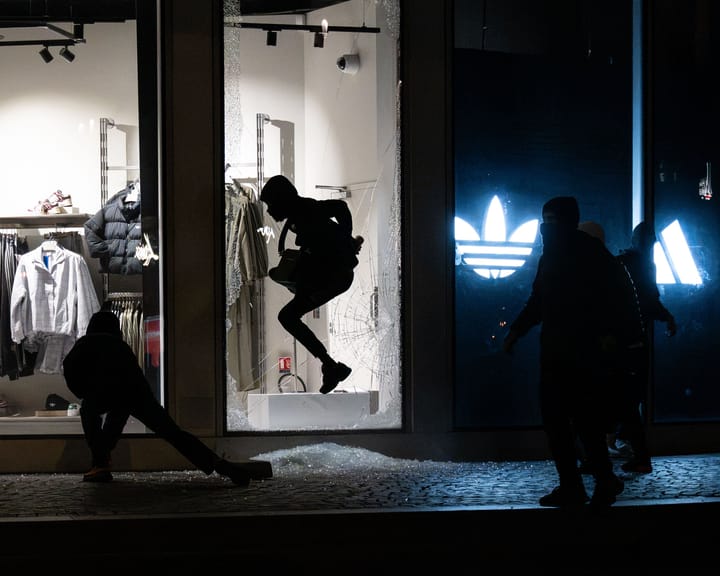
France in Chaos as Looting Extends into Second Night: 'War Zone' Descriptions Abound
In the early hours of Monday, two motorbikes carrying passengers each stopped at a traffic light in a backstreet near Paris's bustling rue de Rivoli. One rider remarked to the other about targeting areas with high foot traffic and elaborate shop windows. Shortly thereafter, ten men wearing ski