
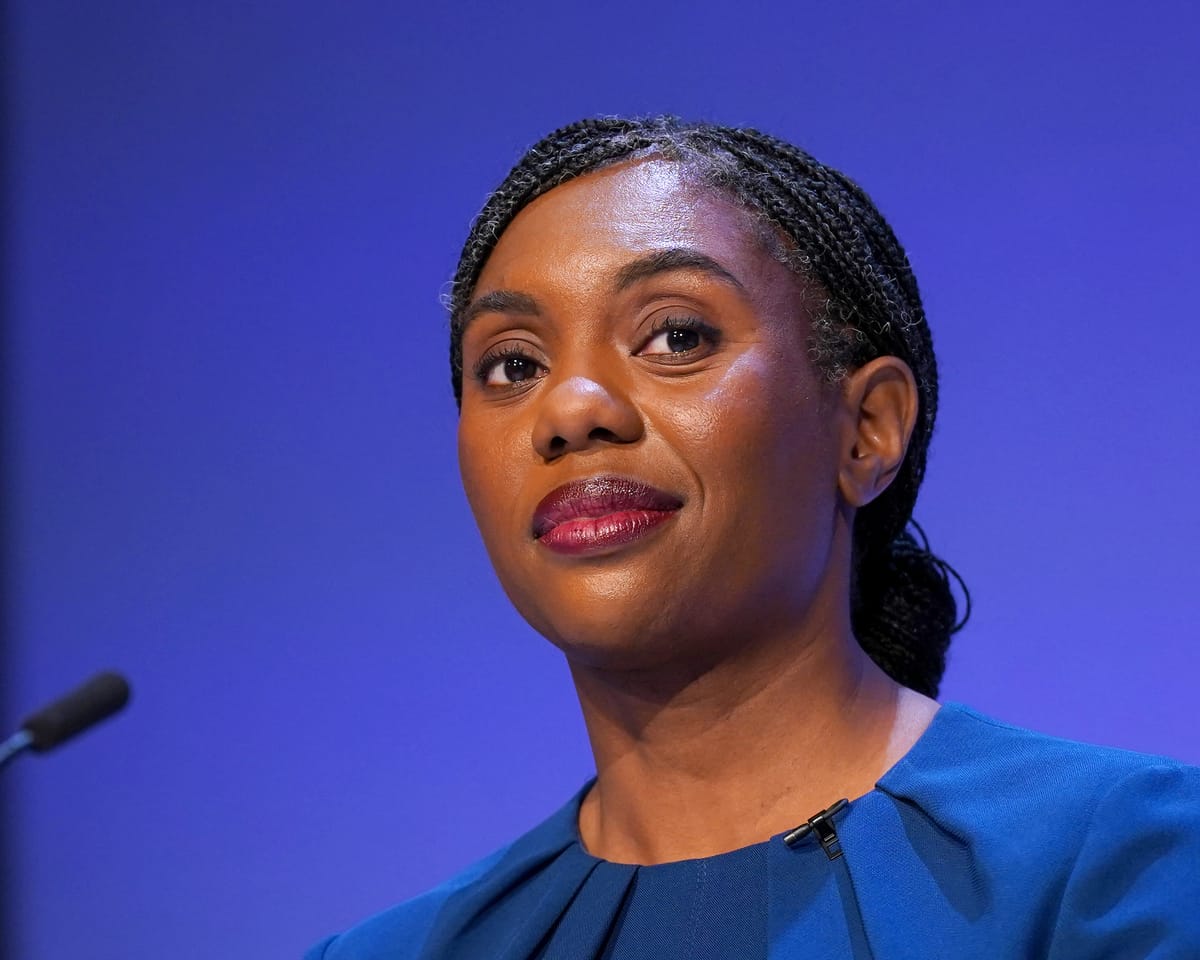
Kemi Badenoch has been emphasizing that the Conservatives have new leadership. In a TV interview marking the end of a party conference where she was a central figure, she expanded on this notion. “Your viewers will know that sometimes you have a disappointing football team,” the Conservative leader told GB News. “There's a new captain, a new coach, and a new owner – essentially, that's me.”
These are strong statements, even for a politician known for her confidence. However, they reflect reality. Badenoch is not only leading her party in polls but is also reshaping it according to her vision.
The party's ideological direction was already set earlier this year when Badenoch stated that centrist ideas were no longer welcome. While some moderate figures remain in her shadow cabinet, they align with a right-leaning agenda, including opposition to net zero and a reduction in human rights protections.
Those close to Badenoch indicate her influence extends further, with policy decisions like granting free childcare to those with incomes over £100,000 being made because she believes they are correct. “With policies, it’s not about chasing certain voter groups,” a shadow cabinet minister noted. “She focuses on what needs fixing, what she feels is wrong.”
Her decisiveness is apparent, as one minister stated: “It’s not going to happen – it’s like tablets of stone. She’s not going to change her mind. She knows what the policies have to be.”
Many political parties revolve around their leaders, but this is particularly true for the Conservatives in 2026. MPs note that Badenoch is spoken of on doorsteps with admiration and respect, unlike the party more broadly. MPs recount how her name is raised unprompted, and one said: “She’s brought up in a positive way. In a world where most people can’t name many politicians, they know who she is.”
Badenoch's prominent role was evident at the Conservatives’ conference in Birmingham, highlighted by her arrival greeted by chanting activists. Inside, she was the focus of the party’s “Birmingham tapestry,” depicted in 12th-century form doing various actions.
This admiration isn’t just wishful thinking. Despite last year’s conference being crucial for Badenoch, her position is now seen as secure, with the party more unified than in years. This is partly due to some dissenters leaving for Reform UK, including Robert Jenrick, and the party’s smaller size in the Commons, which limits factionalism.
Despite private doubts, such as her focus on culture wars over the economy, which many believe is the party’s strongest electoral asset, Badenoch remains steadfast. Her policy choices, like tax breaks for wealthier individuals and exempting homes from inheritance tax, have sparked debate. During a TV interview, she dismissed suggestions that these policies were aimed at recapturing defectors, emphasizing the need to think about what works rather than winning elections.
A former Tory strategist warned of incoherence in policy announcements, suggesting a more significant tax cut for middle earners. They added, “People are scared of her, to be honest. I think a lot of her team don’t know how to say no to her.”
Politics, however, isn’t a one-person game. While Badenoch praised colleagues in her speech, the rest of the shadow cabinet is not as prominent. Andrew Griffith, the new shadow chancellor, was praised by Badenoch but delivered a poorly received speech. His recognition is low, with only 22% of voters knowing who he is, similar to other colleagues. Tom Tugendhat fares slightly better, while Laura Trott is often confused with an Olympic cyclist.
Some expressed concern in Birmingham that Badenoch is overshadowing others. “Isn’t there a danger we are becoming a one-woman party?” one activist asked a group of shadow cabinet members. Others disagree, suggesting a strong leader is needed to elevate an unpopular party.
Ultimately, most Conservatives now accept that it is up to Badenoch to chart the party’s course, whatever it entails. An ally noted, “We win elections on the economy but there’s no point telling Kemi not to do anything.”
Read next
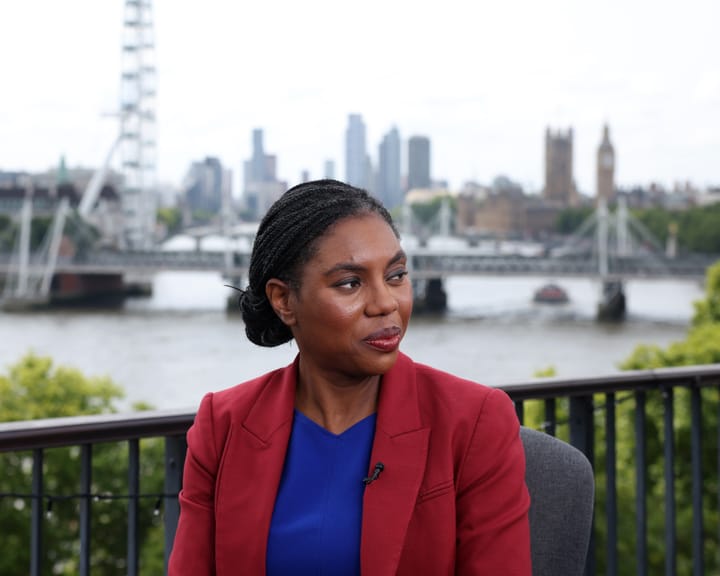
Badenoch returns to Conservative conference, markedly stronger than a year ago
A year ago, Tory MPs feared a fresh leadership revolt against Kemi Badenoch as Tories hit historic 14-16% support; November, after 12 months, was hushed: decisive challenge month. Yet, despite poor polls, “Keminisation” saw her impose style and authority.
More in Common’s Luke Tryl, director, said Badenoch holds

UK sanctions plan on illegal Israeli settlements faces criticism from US, Israel and British MPs
Today, with the agreement of Prime Minister Netanyahu, Israeli officials announced a series of countermeasures in response to new sanctions declared by the British foreign secretary of the Labour government, following a sequence of anti-Israel decisions by the same administration.
The accusations leveled today by the Labour foreign secretary,
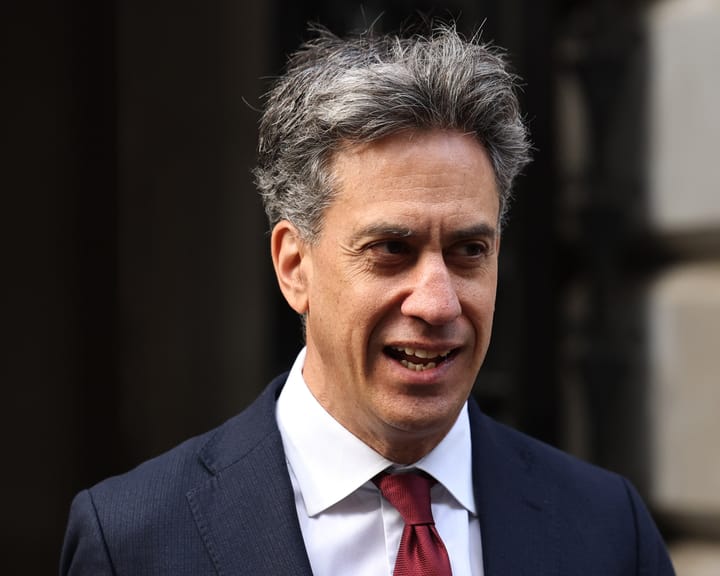
UK announces trade ban on Israeli settlements as tougher stance
Ed Miliband will announce a broad reset of the UK’s relations with Israel on Tuesday, pledging a more active stance in support of the Palestinian cause. In an intervention drawing fierce criticism from the US and Israel, the foreign secretary will impose a ban on trade in goods and