

In a sweltering room at a medical facility in East London, Keir Starmer outlined his government’s long-term strategy for the NHS on Thursday—only to face a stark evaluation of his first year in office.
“You’ve reversed course on key policies, your own party questions your leadership, and financial markets doubt your commitment to economic responsibility. Isn’t this the very instability you vowed to fix?” a reporter challenged.
Starmer initially sidestepped the question but later addressed the fallout from his administration’s turbulent welfare reforms. “I won’t say the past few days have been smooth—they haven’t,” he conceded.
“I take time to reflect, to consider how we avoid repeating mistakes. This is a learning process, but I believe we’ll emerge stronger.”
The scene was far removed from the cheering supporters who greeted him outside Downing Street on 5 July 2024, hopeful for change after 14 years of Conservative rule.
Even senior figures close to Starmer now acknowledge the challenges of their first year. “I anticipated difficulty, but perhaps underestimated its scale,” one official admitted.
“We inherited a struggling economy with public trust at rock bottom. We pledged transformation, but people aren’t seeing it yet—and patience is running thin,” a minister added.
Despite notable setbacks—early economic pessimism, controversies over welfare adjustments, and internal dissent over foreign aid reductions—the government has also seen successes. Higher wages, expanded workers’ rights, housing initiatives, and reduced hospital wait times have won approval, alongside bolder moves like railway nationalisation and private school tax reforms.
Yet with polling behind rival parties and Starmer’s approval declining, the administration struggles for recognition. Party strategists are assessing missteps and potential corrections.
Looking ahead, insiders emphasise the need to adapt. “We’re only a year in. If we learn from both successes and failures, there’s still time to turn things around,” a source said.
Starmer insists on a long-term vision of rebuilding, betting that persistence—and time—will deliver results.
Read next
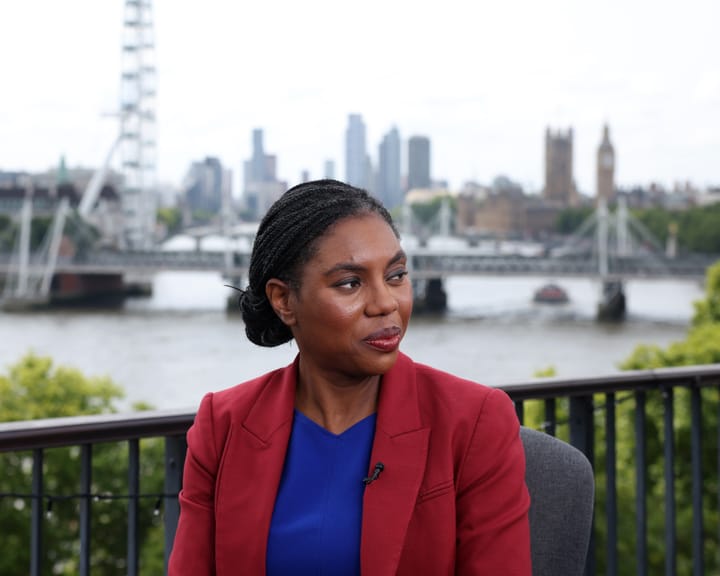
Badenoch returns to Conservative conference, markedly stronger than a year ago
A year ago, Tory MPs feared a fresh leadership revolt against Kemi Badenoch as Tories hit historic 14-16% support; November, after 12 months, was hushed: decisive challenge month. Yet, despite poor polls, “Keminisation” saw her impose style and authority.
More in Common’s Luke Tryl, director, said Badenoch holds

UK sanctions plan on illegal Israeli settlements faces criticism from US, Israel and British MPs
Today, with the agreement of Prime Minister Netanyahu, Israeli officials announced a series of countermeasures in response to new sanctions declared by the British foreign secretary of the Labour government, following a sequence of anti-Israel decisions by the same administration.
The accusations leveled today by the Labour foreign secretary,
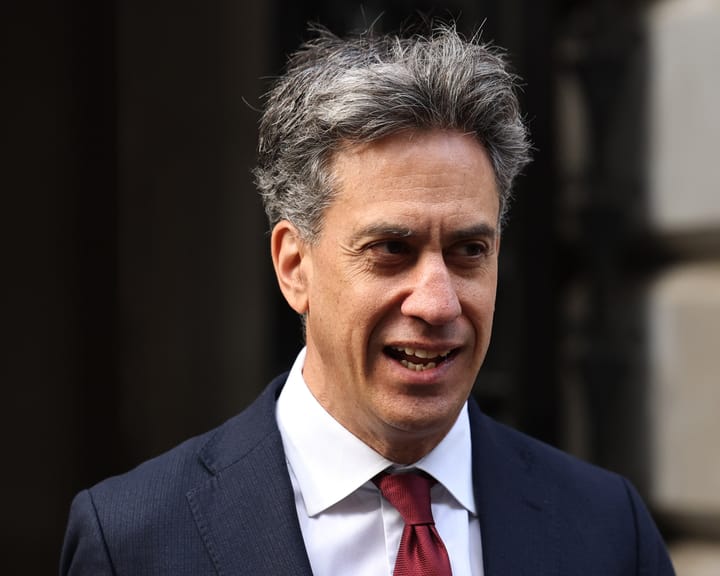
UK announces trade ban on Israeli settlements as tougher stance
Ed Miliband will announce a broad reset of the UK’s relations with Israel on Tuesday, pledging a more active stance in support of the Palestinian cause. In an intervention drawing fierce criticism from the US and Israel, the foreign secretary will impose a ban on trade in goods and