
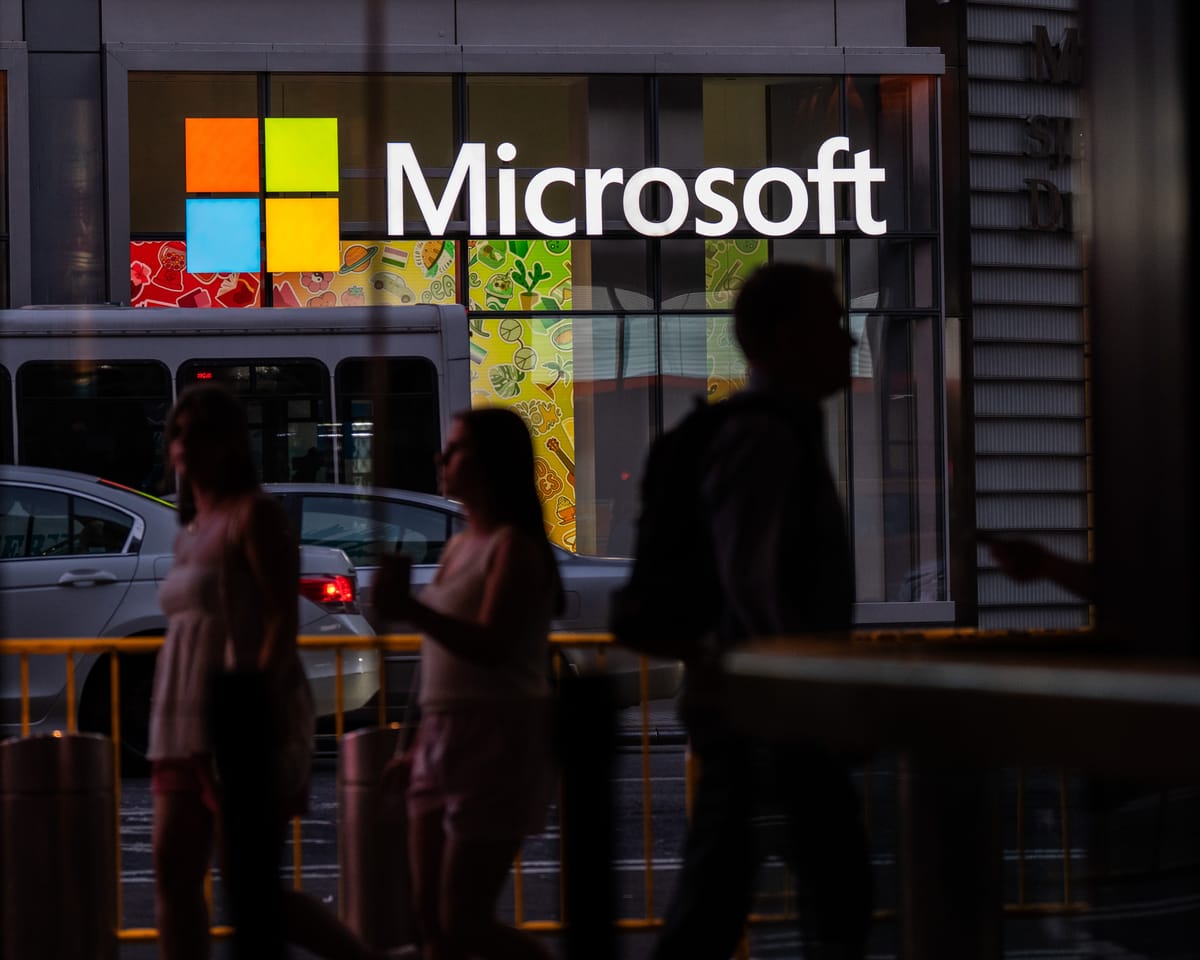
Microsoft Surpasses $4 Trillion Valuation After Strong Earnings
Microsoft reached a market value exceeding $4 trillion on Thursday, marking the second publicly traded company to achieve this milestone after Nvidia. The surge followed impressive financial results released the previous evening.
The Redmond-based company first crossed the $1 trillion threshold in April 2019. Unlike Nvidia and Apple, which saw rapid gains, Microsoft’s rise to $3 trillion was steadier. However, the company joined Nvidia in the $4 trillion club after significant growth in its cloud computing business.
On Wednesday, Microsoft reported robust earnings, driven by strong demand in its Azure cloud division. It also announced plans to invest a record $30 billion in capital expenditures during the first quarter of its fiscal year to support growing AI-related needs.
“Microsoft is transitioning into a dominant force in cloud infrastructure and enterprise AI, generating strong profits and cash flow despite heavy spending on AI development,” said Gerrit Smit, lead portfolio manager at Stonehage Fleming Global Best Ideas Equity Fund.
Recent optimism in financial markets, fueled by progress in trade negotiations ahead of key tariff deadlines, has pushed major indices, including the S&P 500 and Nasdaq, to record highs.
Microsoft’s planned capital expenditures, the highest in its history for a single quarter, position it to outpace competitors in investment over the coming year.
Others in the tech sector are also reinforcing their AI commitments. Meta Platforms, for instance, reported third-quarter revenue well above expectations, crediting AI improvements in its core business. The company also raised its annual spending forecast by $2 billion—a move Alphabet recently made as well.
Investor confidence in Microsoft has grown steadily, supported by consecutive record revenues since late 2022. The company’s stock performance also benefited from recent workforce adjustments and intensified AI investments as businesses increasingly adopt the technology.
Read next
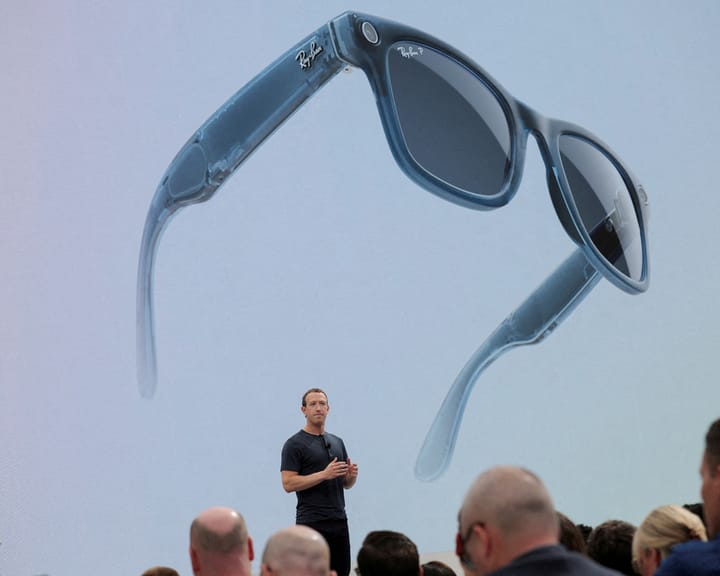
US officers worry Meta smart glasses could covertly record them
In January, the NYPD’s counterterrorism unit warned officers about a new security threat: Ray-Ban Meta glasses. A memo directed officers to “conduct thorough inspections of all eyewear permitted within inmate cells,” cautioning that recently arrested individuals could use the devices’ small cameras and microphones to record inside police
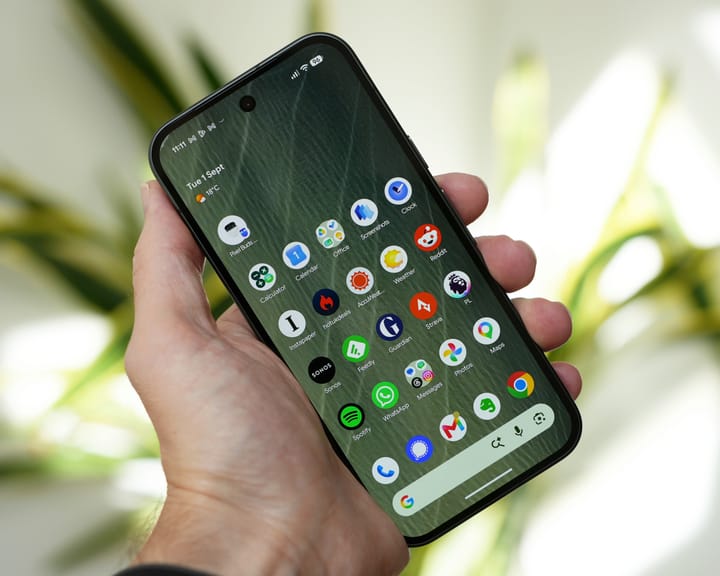
Google's Pixel 11 sets new standard for flagship phones, review finds
Google’s Pixel 11 continues to define what a base flagship phone should deliver, with leading cameras, extended software support and nearly all the features of its pricier siblings.
The standard Pixel 11 is priced at £879 (€999/$899/A$1,499), £80 higher than its previous version, reflecting ongoing

AI Expert Father of Three Shares Essential Insights for Parents on Artificial Intelligence
A father once promised his child they would write a story together called "The Day Nobody Went to Disneyland." The plot imagined a perfect day when the entire world avoided the park, expecting crowds, leaving it completely empty for a father and child to enjoy alone. Three decades