

A long-standing saying goes, *"On the internet, nobody knows you’re a dog."* But soon in Australia, platforms like search engines, social media, app stores, and AI chatbots may be required to know whether users are of a certain age.
New regulations set to take effect in December will restrict social media access for those under 16. However, broader measures developed by tech companies and eSafety commissioner Julie Inman Grant under the Online Safety Act could significantly alter how Australians interact with the internet.
Methods like reviewing account activity, verifying age through facial recognition, or checking payment details could be used to determine a user’s age. Under an industry code enacted in late June, identity verification—including driver’s licenses—to block underage social media access will also apply to logged-in search engine accounts starting in December.
Search engines will need age verification for all accounts. If a user is confirmed to be under 18, safe search filters must be enabled to block adult content.
Additional draft codes under review by the eSafety commissioner propose similar age verification for everyday services, including app stores, AI chatbots, and messaging platforms. Platforms hosting or linking to explicit content, self-harm material, extreme violence, or unsuitable simulated gaming must prevent access by minors.
In a recent speech, Inman Grant emphasized that these measures are necessary to protect children at every stage of their online experience. *"A multi-layered safety approach is essential, holding key points in the digital ecosystem accountable—such as app stores and devices, which are the entry points where users first provide their age,"* she stated.
The eSafety commissioner had previously outlined the intent behind these codes during their development, but recent reports have brought renewed focus to their implications.
Some have welcomed the proposed changes. Recent concerns were raised when Elon Musk’s AI chatbot, Grok, was found to include adult-themed conversations while still being rated as suitable for ages 12+ in the Apple App Store. Child safety advocates urged Apple to reassess the app’s rating and strengthen protections.
Apple and Google are already working on device-level age verification tools that apps can use to confirm user ages.
Tech analyst Justin Warren of PivotNine noted that these codes would *"introduce significant changes to how communications are regulated."*
Read next

US officers worry Meta smart glasses could covertly record them
In January, the NYPD’s counterterrorism unit warned officers about a new security threat: Ray-Ban Meta glasses. A memo directed officers to “conduct thorough inspections of all eyewear permitted within inmate cells,” cautioning that recently arrested individuals could use the devices’ small cameras and microphones to record inside police
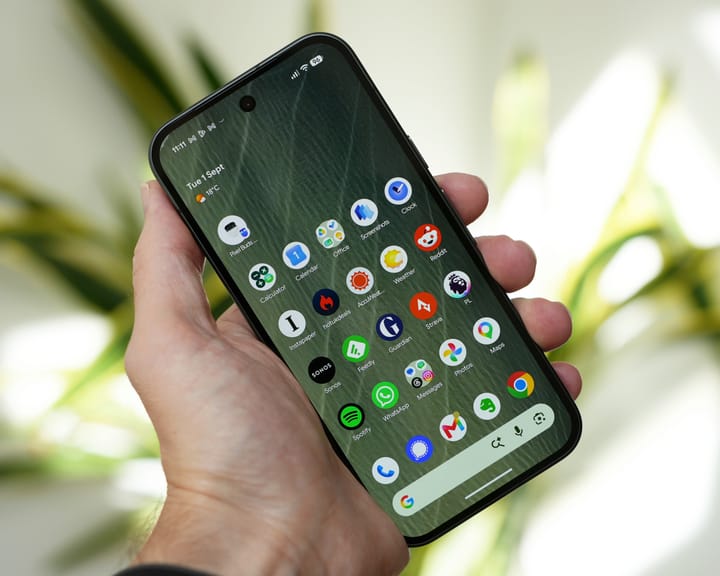
Google's Pixel 11 sets new standard for flagship phones, review finds
Google’s Pixel 11 continues to define what a base flagship phone should deliver, with leading cameras, extended software support and nearly all the features of its pricier siblings.
The standard Pixel 11 is priced at £879 (€999/$899/A$1,499), £80 higher than its previous version, reflecting ongoing

AI Expert Father of Three Shares Essential Insights for Parents on Artificial Intelligence
A father once promised his child they would write a story together called "The Day Nobody Went to Disneyland." The plot imagined a perfect day when the entire world avoided the park, expecting crowds, leaving it completely empty for a father and child to enjoy alone. Three decades