
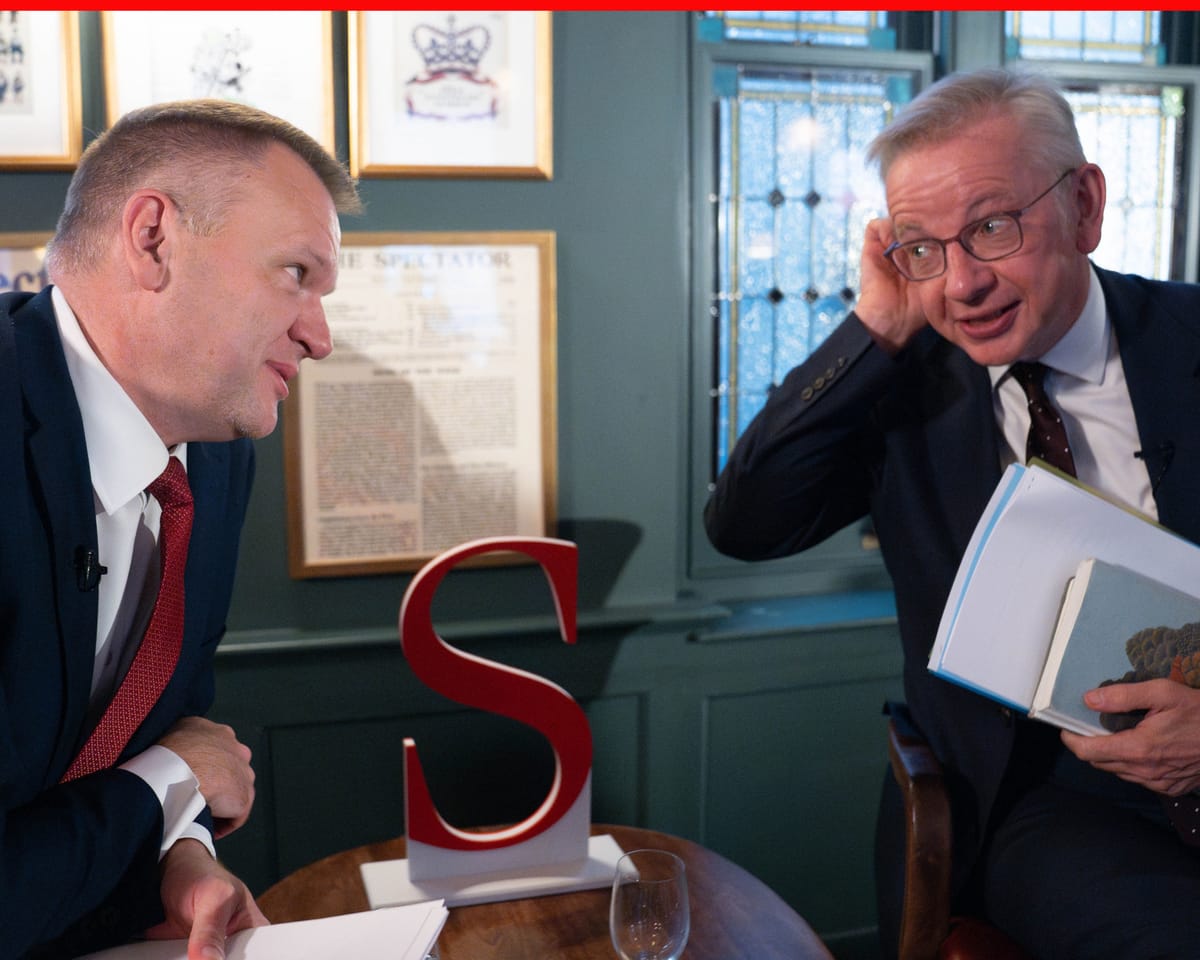
When asked in 2020 whether the UK would align with EU business regulations, Michael Gove, then a Cabinet Office minister, responded firmly: “We will not trade away our sovereignty.”
On Wednesday, seated beside his Labour successor, Nick Thomas-Symonds, the current editor of The Spectator, Gove was more cautious.
Pressed on whether he agreed with Thomas-Symonds’ stance that dynamic alignment could benefit the economy, Gove smiled and said: “I will wait to see the details before making a definitive judgment.”
His measured reply reflected not just politeness—Thomas-Symonds delivered his speech at The Spectator’s offices—but also an awareness that public opinion has shifted since 2025.
Thomas-Symonds’ address marked his most strongly pro-European statement since joining the government last year as Keir Starmer’s chief negotiator on EU matters.
The Cabinet Office minister emphasized his aim to secure an agreement allowing unrestricted exports of food and drink to the EU—a move the government claims could yield £5.1 billion in annual economic gains by 2040.
Currently, small businesses pay £200 per shipment for agricultural export licenses—a cost the government has pledged to scrap.
He also spoke candidly about the advantages of adhering to EU standards in the near term, even though the UK no longer participates in shaping them. “This would allow us to ease checks on goods crossing the Irish Sea, which would clearly boost trade,” he said.
Most notably, after months of hesitation regarding a potential youth mobility scheme with the EU, Thomas-Symonds voiced strong support.
“Providing these opportunities for young Britons is incredibly exciting—I think the scheme will be fantastic,” he said.
He argued the discussion has evolved since Gove helped lead the Leave campaign. “Last week’s GCSE results day saw young people opening envelopes that shape their futures—most of them weren’t even eight during the referendum. That chapter is over,” he noted.
If Gove’s reserved stance on dynamic alignment was notable, Nigel Farage’s avoidance of the debate has been even more striking.
When Starmer unveiled his initial EU agreement in May, Farage was out of the country.
At a Wednesday press conference in Edinburgh, the Reform leader didn’t mention the issue, though his party released a statement accusing the government of “sidling up to the EU while keeping us bound by old EU laws.”
Labour representatives have openly expressed their desire to draw Farage into a debate they believe he cannot win.
“Since our reset deal, Farage has been silent, offering only a few recycled comments to his base,” one official said. “It’s time he explained his stance on EU relations.”
Given Farage’s silence on the matter Wednesday, the Reform leader seems uninterested in engaging—for now.
Read next
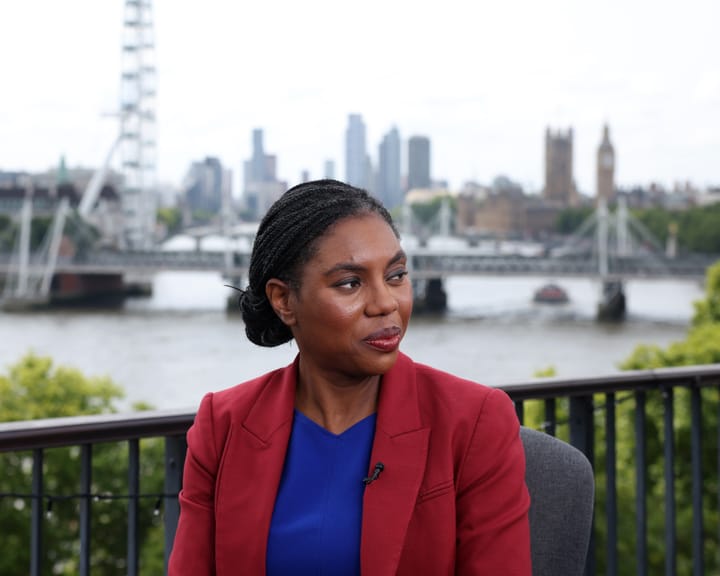
Badenoch returns to Conservative conference, markedly stronger than a year ago
A year ago, Tory MPs feared a fresh leadership revolt against Kemi Badenoch as Tories hit historic 14-16% support; November, after 12 months, was hushed: decisive challenge month. Yet, despite poor polls, “Keminisation” saw her impose style and authority.
More in Common’s Luke Tryl, director, said Badenoch holds

UK sanctions plan on illegal Israeli settlements faces criticism from US, Israel and British MPs
Today, with the agreement of Prime Minister Netanyahu, Israeli officials announced a series of countermeasures in response to new sanctions declared by the British foreign secretary of the Labour government, following a sequence of anti-Israel decisions by the same administration.
The accusations leveled today by the Labour foreign secretary,
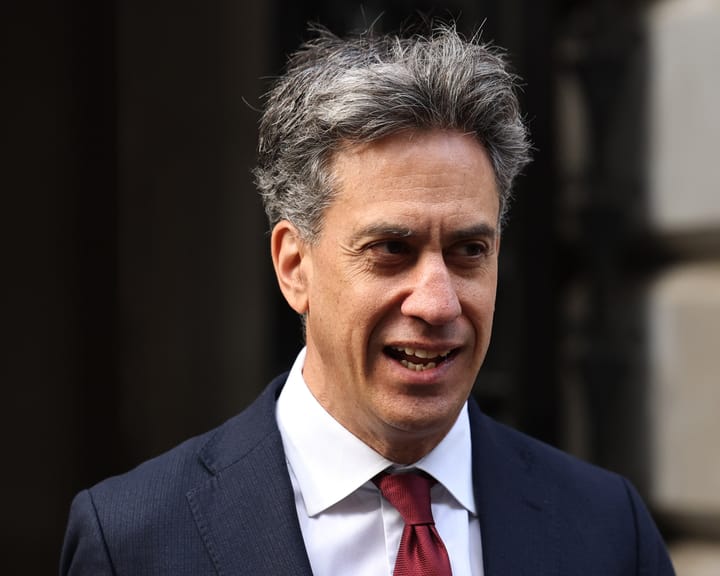
UK announces trade ban on Israeli settlements as tougher stance
Ed Miliband will announce a broad reset of the UK’s relations with Israel on Tuesday, pledging a more active stance in support of the Palestinian cause. In an intervention drawing fierce criticism from the US and Israel, the foreign secretary will impose a ban on trade in goods and