

The vote at Labour conference in 2022 was passed overwhelmingly and accompanied by enthusiastic cheers: party members advocated for replacing the current first-past-the-post (FPTP) electoral system with proportional representation (PR). What comes next? It seems unlikely any immediate action will be taken.
The Labour Party's division on the matter of electoral reform is evident, with members wholeheartedly supporting the shift to PR while party leadership appears less convinced. The rift extends even further as some in the party question whether the FPTP system has provided a strong enough foundation for their recent victory.
Nearly 140 local Labour parties submitted a motion advocating for change, demonstrating overwhelming support within grassroots membership. However, leadership remains hesitant to embrace this transformation despite Keir Starmer's significant majority in the Commons – an outcome that could potentially be influenced by PR.
Sandy Martin, chair of Labour Campaign for Electoral Reform and a former MP, emphasizes that considering electoral reform should remain high on the party's agenda regardless of recent successes under FPTP. The shift to PR would allow Labour to form coalitions with like-minded parties such as the Liberal Democrats or Greens in the event of future elections, an outcome Martin considers preferable compared to a Conservative-Reform government.
The party's hesitation is partly attributed to self-interest and practicality: under FPTP, Labour has historically dominated certain regions, but with five parties now competing in England alone, the system appears increasingly unfit for this reality. Starmer has previously expressed support for electoral reform, notably mentioning that millions of people feel disenfranchised due to voting predominantly from safe seats. However, his leadership team dismisses any possibility of action during a first term, arguing it would be misguided.
Neal Lawson of the pressure group Compass argues that Starmer's recent landslide victory under FPTP has only heightened arguments for PR reform. The disproportionality between the seats won and votes received by Labour in the election highlighted a growing need to reconsider the electoral system, despite initial resistance from party leaders.
The Liberal Democrats and Reform UK back the introduction of PR, while other parties such as Scottish National Party (SNP) and Plaid Cymru are also in favor. Despite these supportive voices, no concrete action has been taken to implement changes. The Labour Party plans to amend certain aspects of voting procedures, but maintaining FPTP remains intact.
Although the Conservatives have expressed their continued support for FPTP, they acknowledge its limitations and potential need for reform. As the political landscape continues to evolve with new parties entering Parliament, discussions surrounding electoral reform persist. While a swift change is unlikely in the near future, advocates argue that preparations must be made to ensure Labour can negotiate effectively should an opportunity arise to adopt PR under their terms.
Read next

"Kemi Badenoch reshapes Tories, invoking a mix of admiration and fear"
Kemi Badenoch has been emphasizing that the Conservatives have new leadership. In a TV interview marking the end of a party conference where she was a central figure, she expanded on this notion. “Your viewers will know that sometimes you have a disappointing football team,” the Conservative leader told GB
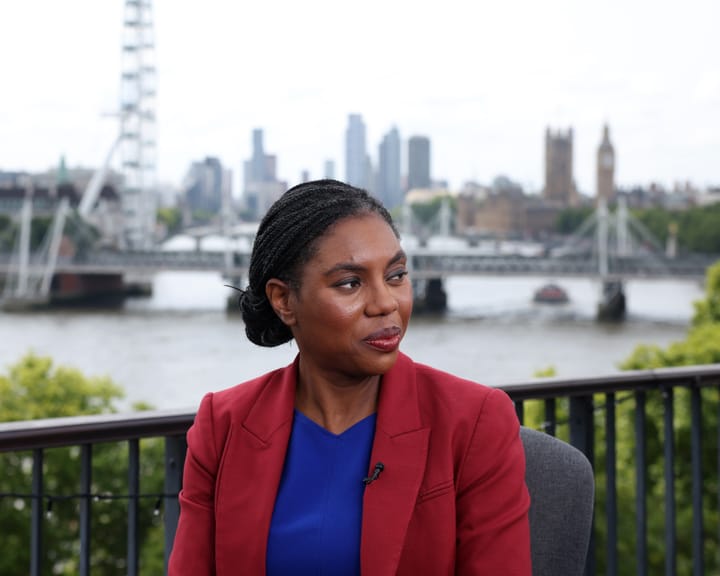
Badenoch returns to Conservative conference, markedly stronger than a year ago
A year ago, Tory MPs feared a fresh leadership revolt against Kemi Badenoch as Tories hit historic 14-16% support; November, after 12 months, was hushed: decisive challenge month. Yet, despite poor polls, “Keminisation” saw her impose style and authority.
More in Common’s Luke Tryl, director, said Badenoch holds

UK sanctions plan on illegal Israeli settlements faces criticism from US, Israel and British MPs
Today, with the agreement of Prime Minister Netanyahu, Israeli officials announced a series of countermeasures in response to new sanctions declared by the British foreign secretary of the Labour government, following a sequence of anti-Israel decisions by the same administration.
The accusations leveled today by the Labour foreign secretary,