
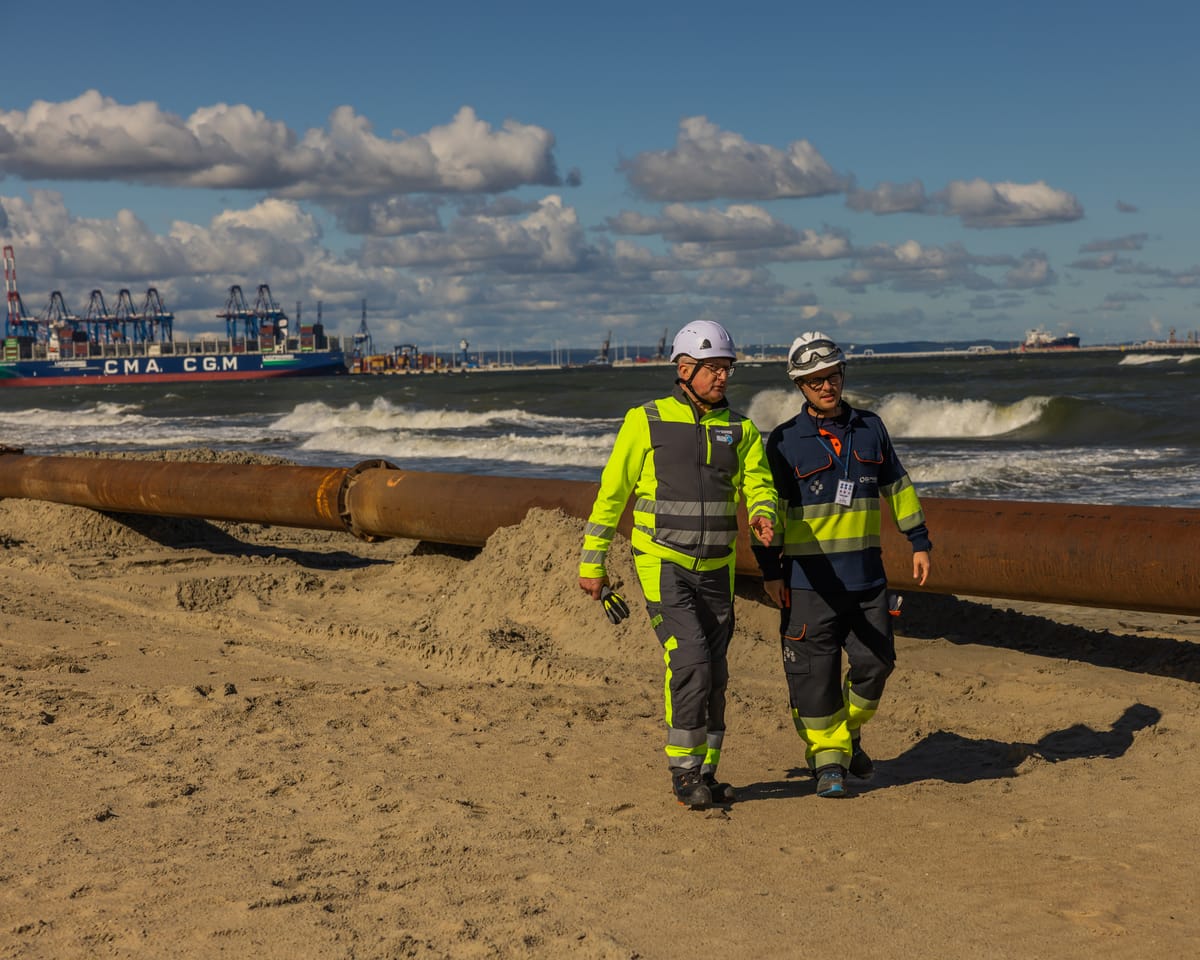
Off the coast of Gdańsk, Poland, the steel structures of the nation's first offshore gas terminal rise above the Baltic Sea. Situated eight meters above the waves, these facilities are crucial to Europe's quest for energy security. Since Russia cut off gas supplies following its invasion of Ukraine, Poland has turned to the global energy market to secure its energy needs. Despite the challenging economic environment marked by soaring oil and gas prices, diversifying its energy sources remains a priority for Poland and its EU neighbors.
Building in the Baltic is challenging. Maciej Wawrzkowicz, the offshore project manager at Gaz-System, and construction manager Krzysztof Polatynski note the difficulties of construction, from dealing with unexploded wartime ordnance to halts caused by winter storms. Nevertheless, the project's urgency is underscored by its international significance. The Gdańsk region is bustling with construction activity, vital for this critical energy infrastructure.
Previously reliant on Russian gas, Poland ceased payments in rubles in 2022 as Russia faced international isolation. A Norwegian pipeline and a liquefied natural gas (LNG) terminal near Germany have helped sustain domestic heating and industrial activity. The Gdańsk project involves a floating storage and regasification unit (FSRU), which will enhance Poland's energy capacity and enable it to serve as an energy hub for eastern Europe.
Poland's LNG capacity will increase significantly with the FSRU, expected to be operational by early 2028. A second vessel is planned for 2030, boosting total capacity to over 20 billion cubic meters annually. The FSRU vessel is named "Solidarity," honoring the historical significance of its home port and Poland's commitment to EU ties.
The Gdańsk FSRU is crucial not only for Poland but for neighboring countries and the European Commission, helping to end the Baltic states' dependence on Russian gas. However, challenges remain, as evidenced by the coal-fired power plants and coal docks in Gdańsk. Coal still accounts for over half of Poland's electricity generation, well above the EU average. Transitioning from coal to LNG, renewables, and nuclear energy is essential for Poland's future sovereignty and prosperity.
Poland's high electricity prices, driven by reliance on fossil fuels, hinder economic growth. As living standards rise, Poland's manufacturing sector is losing its competitive edge. Rafał Brzoska, founder of InPost, emphasizes the need to shift focus to more competitive economic elements. Poland's decarbonization strategy up to 2040 faces criticism for potentially delaying the reduction of fossil fuel reliance, posing risks to economic security.
The government is investing in nuclear energy, with a plant planned for the Baltic coast, despite its high costs and delayed timeline. Deputy Foreign Minister Marcin Bosacki notes that EU membership supports Poland's transition, with significant funding allocated to energy projects. However, as Poland's GDP growth benefits from EU membership, the reduction of EU funds post-recovery may challenge future developments.
Mateusz Urban, an economist, highlights the importance of diversifying energy supplies for geopolitical security. Poland's history of pressure from Russian gas supplies underscores the need for diverse energy sources. With global energy market uncertainties, Poland aims to broaden its energy horizons beyond Russian imports, ensuring energy independence and stability.
Read next
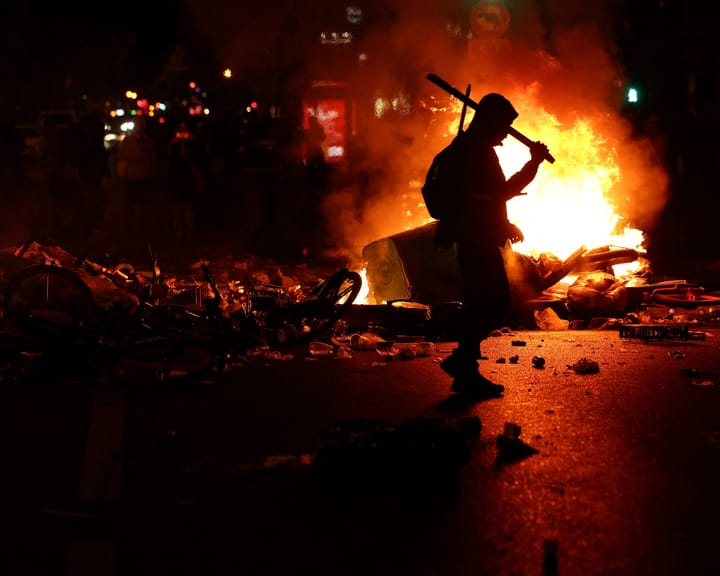
Interior Minister Admits French Police Lost Control Amid Riots
France’s Prime Minister has directed regional authorities to consider implementing partial curfews in certain cities following an admission by the government that police lost control during violent protests over the weekend. Sébastien Lecornu stated after an emergency cabinet meeting that he was determined to restore public order and suggested
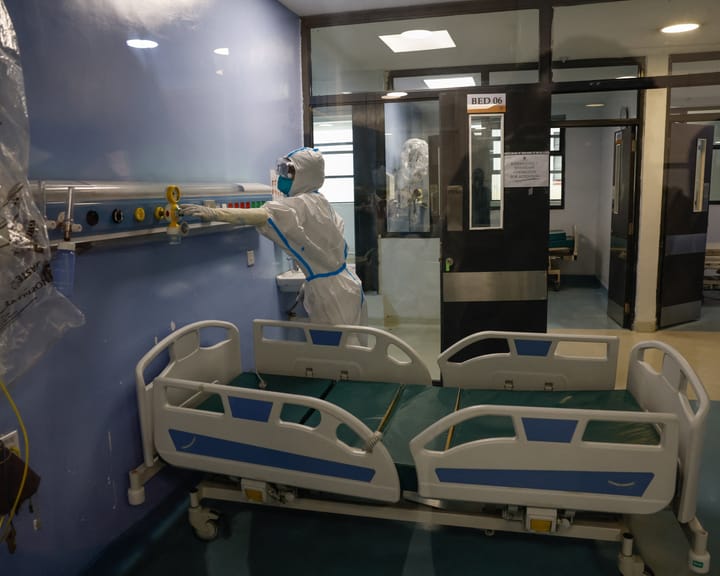
Kenya's Latest Ebola Case Exposes Gaps in U.S. Health Services Following Trump's Budget Cuts
In Kenya, a third individual has tested positive for Bundibugyo ebolavirus, marking the nation's first cluster of Ebola cases. This development occurs as the second-largest Ebola outbreak in history continues to impact the region, resulting in over 4,300 deaths and more than 9,000 infections.
The

France in Chaos as Looting Extends into Second Night: 'War Zone' Descriptions Abound
In the early hours of Monday, two motorbikes carrying passengers each stopped at a traffic light in a backstreet near Paris's bustling rue de Rivoli. One rider remarked to the other about targeting areas with high foot traffic and elaborate shop windows. Shortly thereafter, ten men wearing ski