
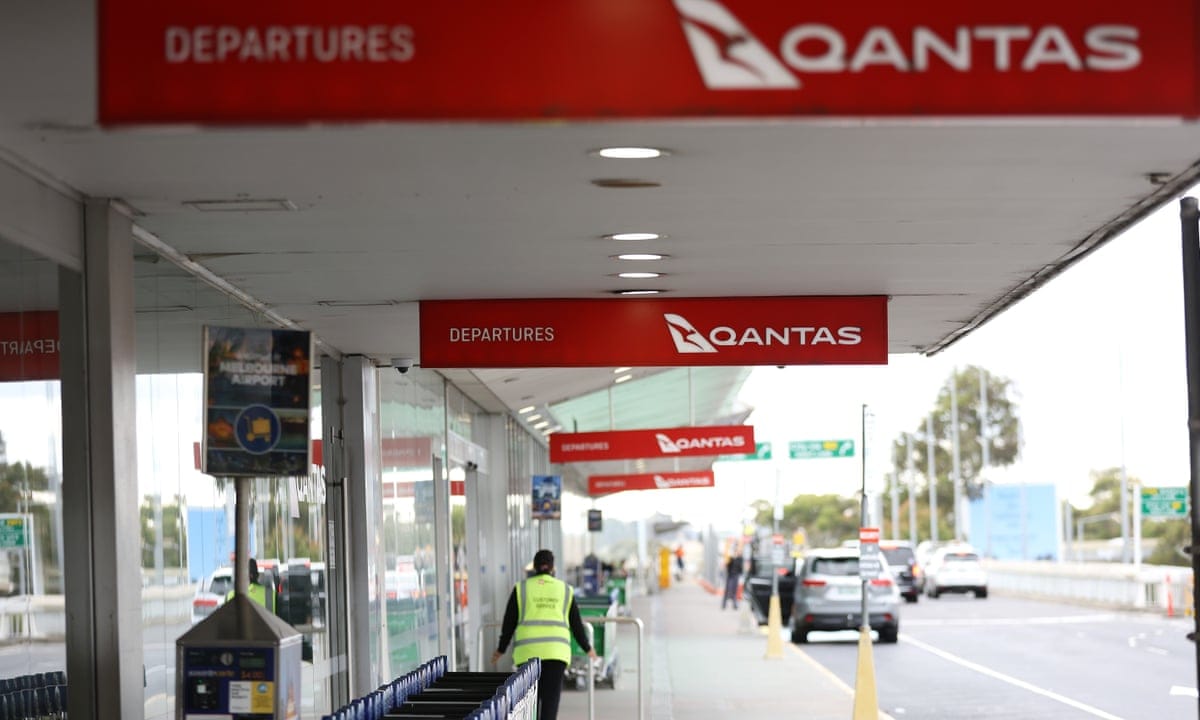
Qantas Hit by Cybersecurity Incident, Impacting Up to 6 Million Customers
Qantas has confirmed a significant cybersecurity breach that may have compromised the personal records of as many as 6 million customers.
The airline stated on Wednesday that the affected system, a third-party platform used by its customer service center, has since been secured. While the breach involved customer data—including names, email addresses, phone numbers, birth dates, and frequent flyer numbers—it did not extend to credit card details, financial records, or passport information. Frequent flyer accounts, along with passwords and login credentials, were also unaffected.
The unusual activity was first detected on Monday, prompting immediate action to contain the issue. Qantas is currently assessing the extent of the data compromise but anticipates it to be substantial.
The airline has notified the Australian Cyber Security Centre, the Office of the Australian Information Commissioner, and the Australian Federal Police. CEO Vanessa Hudson confirmed that independent cybersecurity experts have been engaged to investigate the incident. Customers will receive updates via a dedicated support line and a website page as the investigation unfolds.
"We deeply regret the concern this situation may cause our customers," Hudson said. "Protecting their personal data is a responsibility we take very seriously. We are reaching out to customers today to provide them with the necessary assistance."
Cybersecurity incidents continue to rise in Australia. Earlier this year, multiple superannuation funds experienced breaches, leading to over $500,000 being stolen from customers’ accounts.
In May, the Office of the Australian Information Commissioner reported a 25% increase in data breaches during 2024 compared to the previous year. Between July and December 2024 alone, 595 breaches were recorded, bringing the annual total to 1,113—a significant jump from 2023's 893 incidents.
A majority of the breaches stemmed from malicious or criminal activity, with phishing accounting for 34% of cases and ransomware making up 24%. Most incidents impacted fewer than 5,000 individuals, though two breaches affected between 500,000 and 1 million people. The compromised data primarily included contact details, identification records, and financial or health information.
The healthcare sector reported the highest number of breaches (121), followed by government (100), finance (54), legal and accounting (36), and retail (34).
Read next
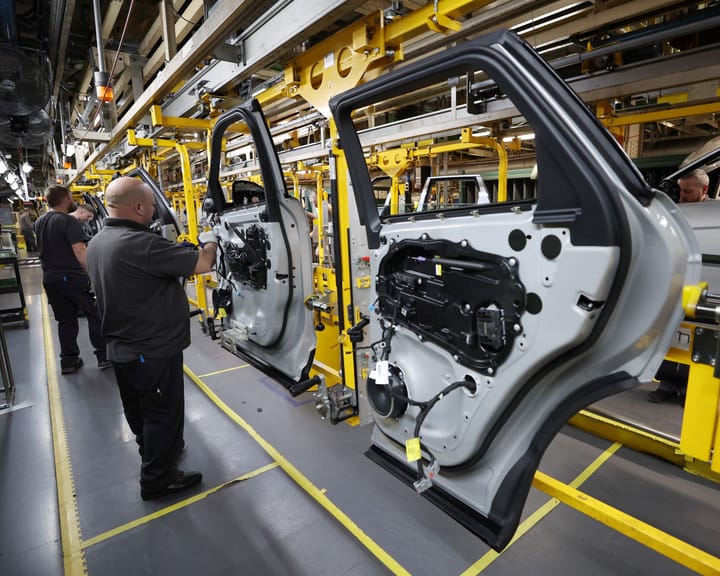
Jaguar Land Rover suppliers voice ‘everything is against us’ amid cutbacks
David Roberts, chair of Coventry-based Evtec, says the outlook for Britain’s automotive sector is grim, with “everything against us.” Evtec is a tier 1 supplier to Jaguar Land Rover, which this week announced 4,000 job cuts over two years despite chancellor John Healey’s attempt to talk
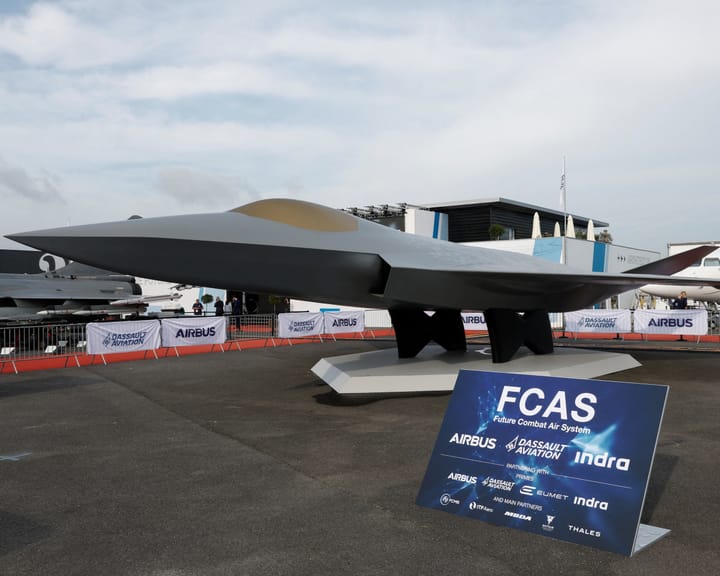
Europe’s fighter jet plans in disarray: what comes next?
When former ECB president and Italian PM Mario Draghi urged Europe to catch up economically with the US and China, defence collaboration was prescribed. No more should each nation build independent boats, tanks or jets; allies should share costs and technologies.
Europe stumbled at the first hurdle. German Chancellor Friedrich

John Healey supports growth but insists Labour must be truthful about spending
John Healey has stated that his primary goal as chancellor will be to boost economic growth, while acknowledging that Labour must be straightforward about controlling public spending at next month's budget.
In his first major address since assuming the role in July, Healey said the leading focus of