

Analysis of Leaked Documents Reveals Potential Financial Misconduct by Roman Abramovich's Associates
Recent analysis of leaked corporate records suggests that Roman Abramovich's aides, including staff from the accountancy firm Deloitte, may have falsified documents related to his offshore business empire. This action appears to have been part of a long-term strategy to backdate documents, potentially aiding in tax avoidance and asset concealment.
Eugene Tenenbaum, a close aide based in London, is implicated in these backdating activities and may have provided misleading evidence during a UK court case. These revelations come amid ongoing restrictions on Abramovich's financial affairs due to sanctions imposed by the UK and EU in response to Russia's actions in Ukraine.
The investigation is based on the Cyprus Confidential leak, which comprises over 500,000 documents analyzed by organizations including CuriosityNews, the Bureau of Investigative Journalism, and the BBC. These documents trace the reorganization of billions of pounds acquired by Abramovich through the controversial purchase of Siberian oilfields during the post-Soviet era.
Between 1999 and 2013, Abramovich's aides and accountants allegedly employed tactics, including backdating documents, which experts suggest could constitute fraud and tax evasion. Lawyers for Abramovich and Tenenbaum deny any wrongdoing, stating reliance on professional advice from Deloitte Cyprus.
One significant case involves Kravin Investments, a Cyprus-based company that received a $3 billion windfall. To avoid a substantial tax liability, Abramovich's team allegedly backdated documents to show that the funds were merely held by Kravin as a trustee for another entity, thus erasing the $2 billion from its balance sheet and its tax obligations.
Andrew Mitchell KC, a financial crime and tax law expert, describes this as a clear attempt to evade taxation. Deloitte Cyprus, which signed off on the accounts, stated it acted in compliance with laws but could no longer access the relevant materials due to the passage of time.
The leaked documents also reveal instances where Abramovich's subordinates backdated transactions to extract money from Cypriot companies with stakes in Sibneft. This involved creating fictitious consultancy agreements and converting payments into promissory notes signed by Abramovich.
Additionally, the documents suggest that Abramovich's assets, including the Fyning Hill estate, were concealed through backdated agreements. This tactic was used to mislead Cypriot disclosure rules, resulting in auditors signing off accounts that omitted significant assets.
In a 2008 lawsuit, Tenenbaum's court testimony, which denied knowledge of certain transactions, contradicts evidence from the leak, raising concerns about potential misleading of the court.
Overall, the analysis of the Cyprus files indicates that over 1,000 documents related to Abramovich's empire were backdated, often with the knowledge of those closest to him, suggesting a financial empire built on deceit.
Read next
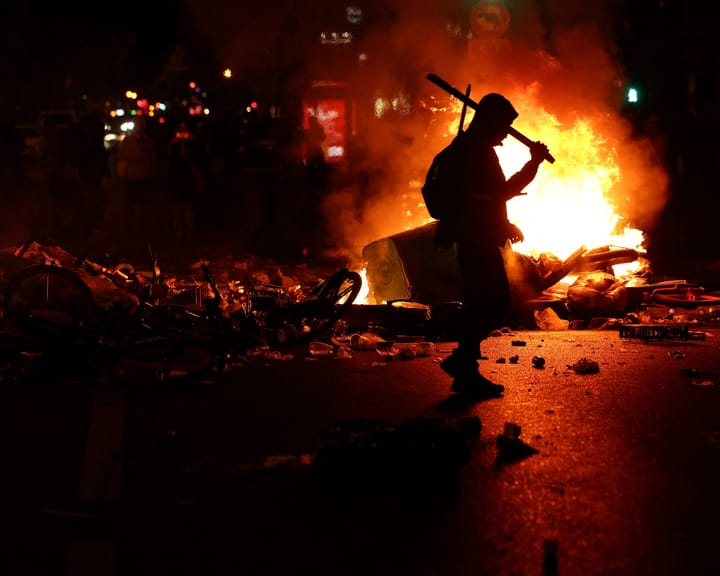
Interior Minister Admits French Police Lost Control Amid Riots
France’s Prime Minister has directed regional authorities to consider implementing partial curfews in certain cities following an admission by the government that police lost control during violent protests over the weekend. Sébastien Lecornu stated after an emergency cabinet meeting that he was determined to restore public order and suggested
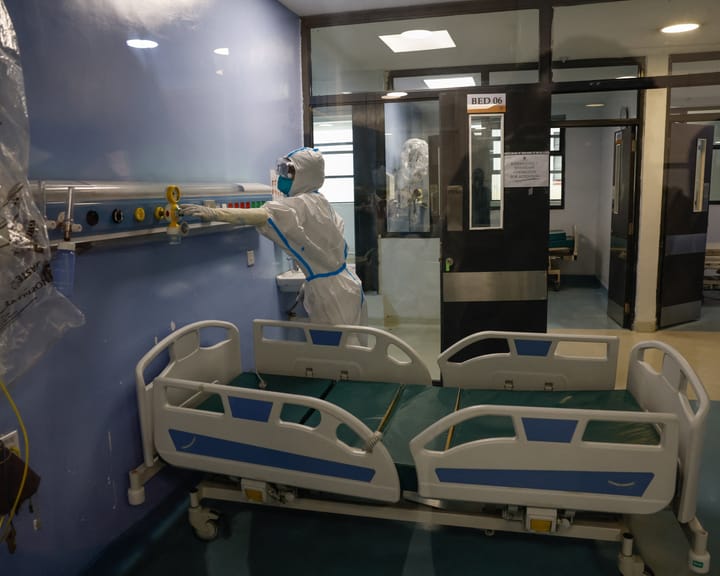
Kenya's Latest Ebola Case Exposes Gaps in U.S. Health Services Following Trump's Budget Cuts
In Kenya, a third individual has tested positive for Bundibugyo ebolavirus, marking the nation's first cluster of Ebola cases. This development occurs as the second-largest Ebola outbreak in history continues to impact the region, resulting in over 4,300 deaths and more than 9,000 infections.
The
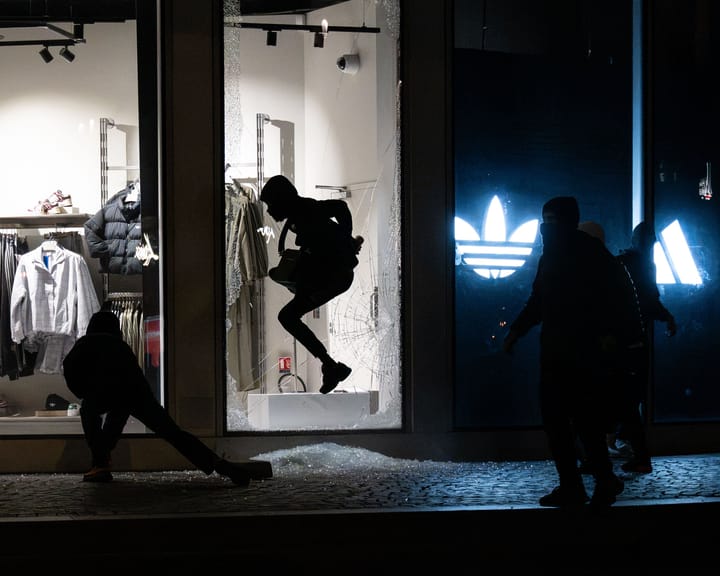
France in Chaos as Looting Extends into Second Night: 'War Zone' Descriptions Abound
In the early hours of Monday, two motorbikes carrying passengers each stopped at a traffic light in a backstreet near Paris's bustling rue de Rivoli. One rider remarked to the other about targeting areas with high foot traffic and elaborate shop windows. Shortly thereafter, ten men wearing ski