
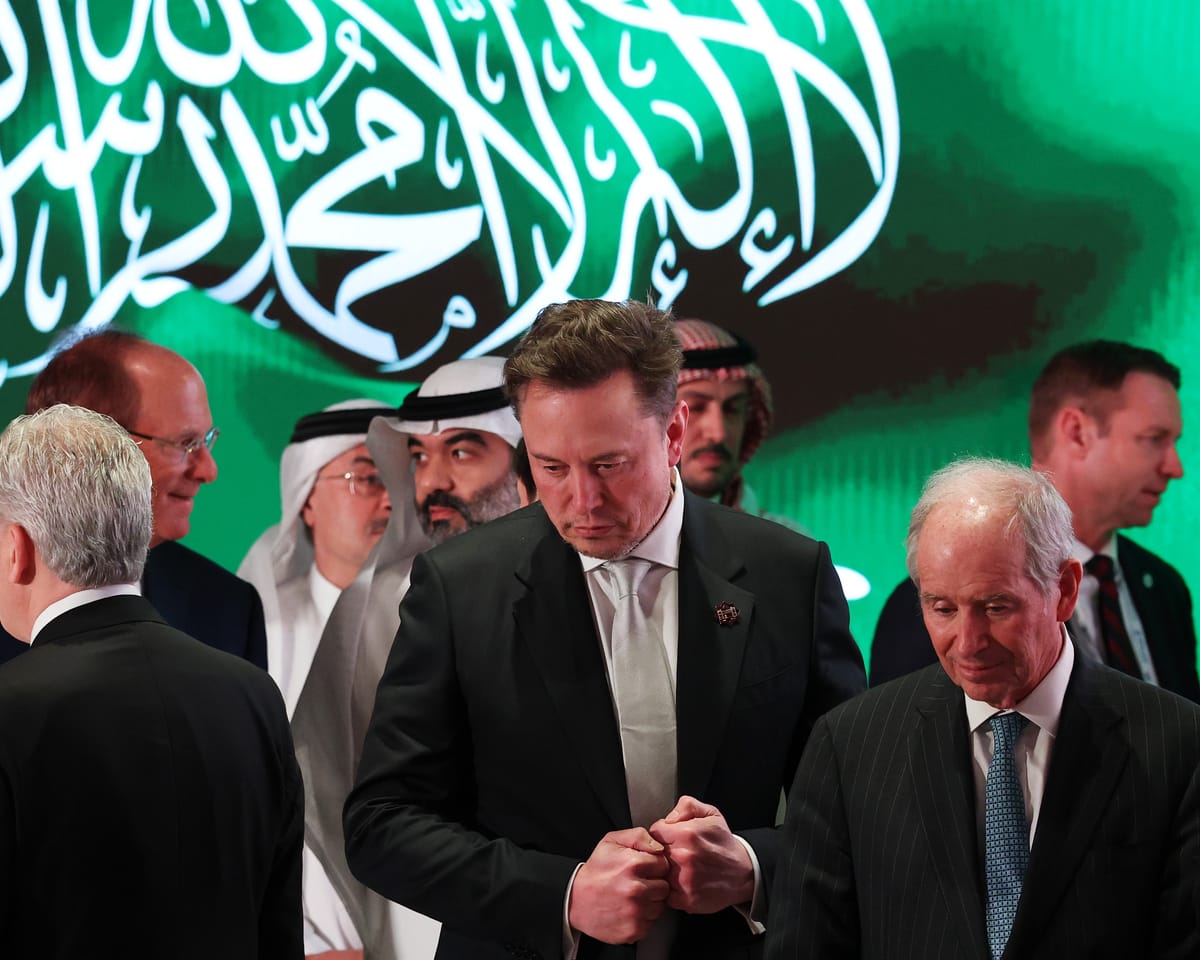
Ali al-Ahmed did not blame Elon Musk for Twitter’s decline. To him, Musk was just another figurehead of an existing system, one whose problems began long before Musk walked into Twitter’s headquarters in October 2022 with a porcelain sink.
Ahmed was a Saudi journalist and analyst based near Washington, DC. He founded the Institute for Gulf Affairs (originally called the Saudi Institute), a research organization focused on Saudi Arabia, particularly human rights issues. He was the kind of expert—dedicated, principled, always willing to talk—that journalists often relied on.
For Ahmed, whose own family had been imprisoned multiple times by the Saudi government, human rights work was a serious mission. Yet he also had a warmth about him, often slipping into stories about his children or the speaking device he created to remind them to wash their hands—a reminder of the personal stakes behind his work. “Twitter is no different from Boeing or weapons manufacturers,” Ahmed once said. “They care about profit. Twitter and Facebook aren’t defenders of human rights. Their motives are purely financial.” Twitter had suspended Ahmed’s Arabic-language account, which had 36,000 followers, though he retained his English one.
I first interviewed Ahmed in 2021 while reporting on Saudi Arabia’s use of Twitter to identify and detain critics of the government. For Saudi authorities, Twitter was a valuable tool. Prince Alwaleed bin Talal, a Saudi billionaire, was the platform’s biggest outside shareholder, and the site had become integral to the state’s surveillance and censorship system.
Ahmed suspected his account had been infiltrated. He feared spies could access it, putting his contacts—Saudi dissidents he communicated with privately—at risk. This worry was grounded in reality. One of his contacts was Abdulrahman al-Sadhan, an aid worker who had been seized by Saudi security forces in 2018 for running a parody account mocking officials. At 37, Abdulrahman was sentenced to 20 years in prison.
“Saudi Arabia is more repressive than ever,” said Abdulrahman’s sister, Areej al-Sadhan, when we spoke in 2021. In the three years after her brother’s arrest, her family had received just two short calls from him. Crown Prince Mohammed bin Salman showed no tolerance for dissent or satire. Years later, Areej still had no word from her brother. In a 2023 legal filing, she admitted she didn’t even know if he was alive.
Read next
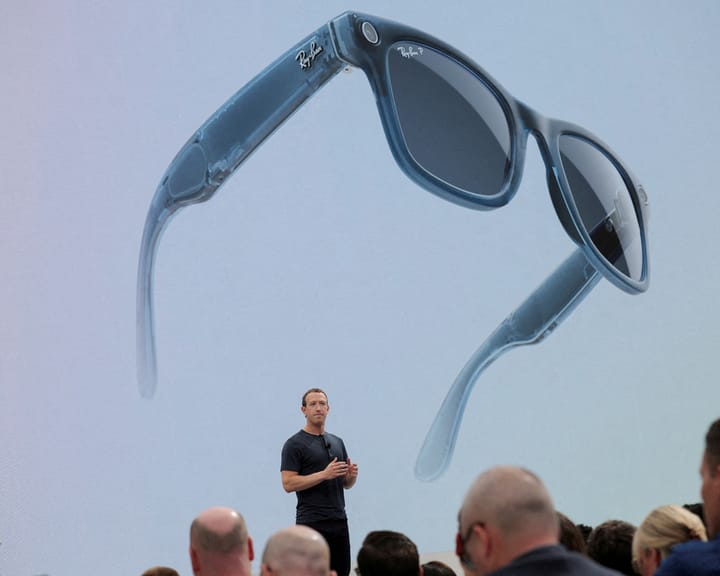
US officers worry Meta smart glasses could covertly record them
In January, the NYPD’s counterterrorism unit warned officers about a new security threat: Ray-Ban Meta glasses. A memo directed officers to “conduct thorough inspections of all eyewear permitted within inmate cells,” cautioning that recently arrested individuals could use the devices’ small cameras and microphones to record inside police
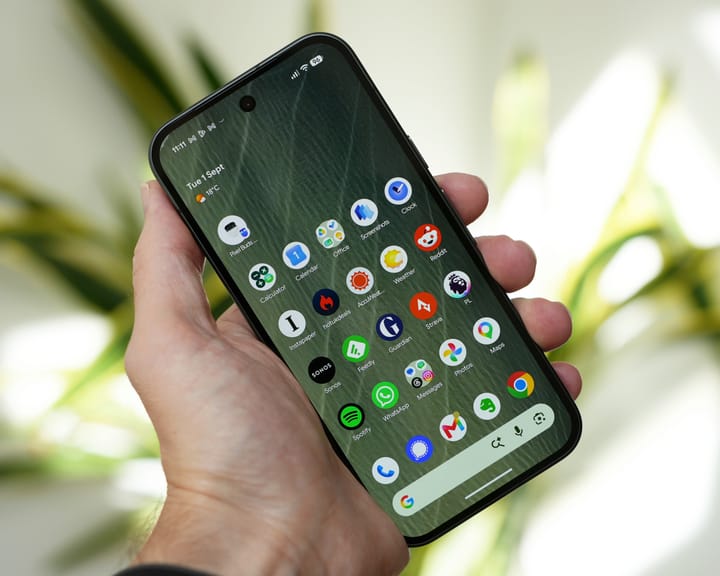
Google's Pixel 11 sets new standard for flagship phones, review finds
Google’s Pixel 11 continues to define what a base flagship phone should deliver, with leading cameras, extended software support and nearly all the features of its pricier siblings.
The standard Pixel 11 is priced at £879 (€999/$899/A$1,499), £80 higher than its previous version, reflecting ongoing
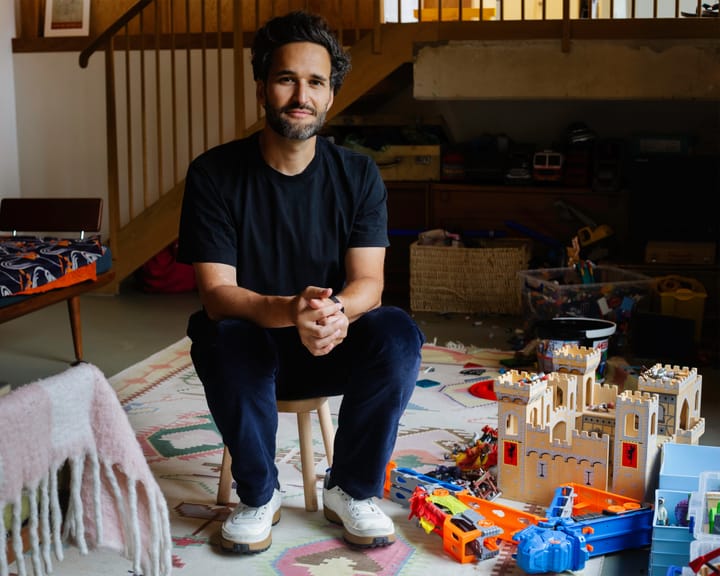
AI Expert Father of Three Shares Essential Insights for Parents on Artificial Intelligence
A father once promised his child they would write a story together called "The Day Nobody Went to Disneyland." The plot imagined a perfect day when the entire world avoided the park, expecting crowds, leaving it completely empty for a father and child to enjoy alone. Three decades