
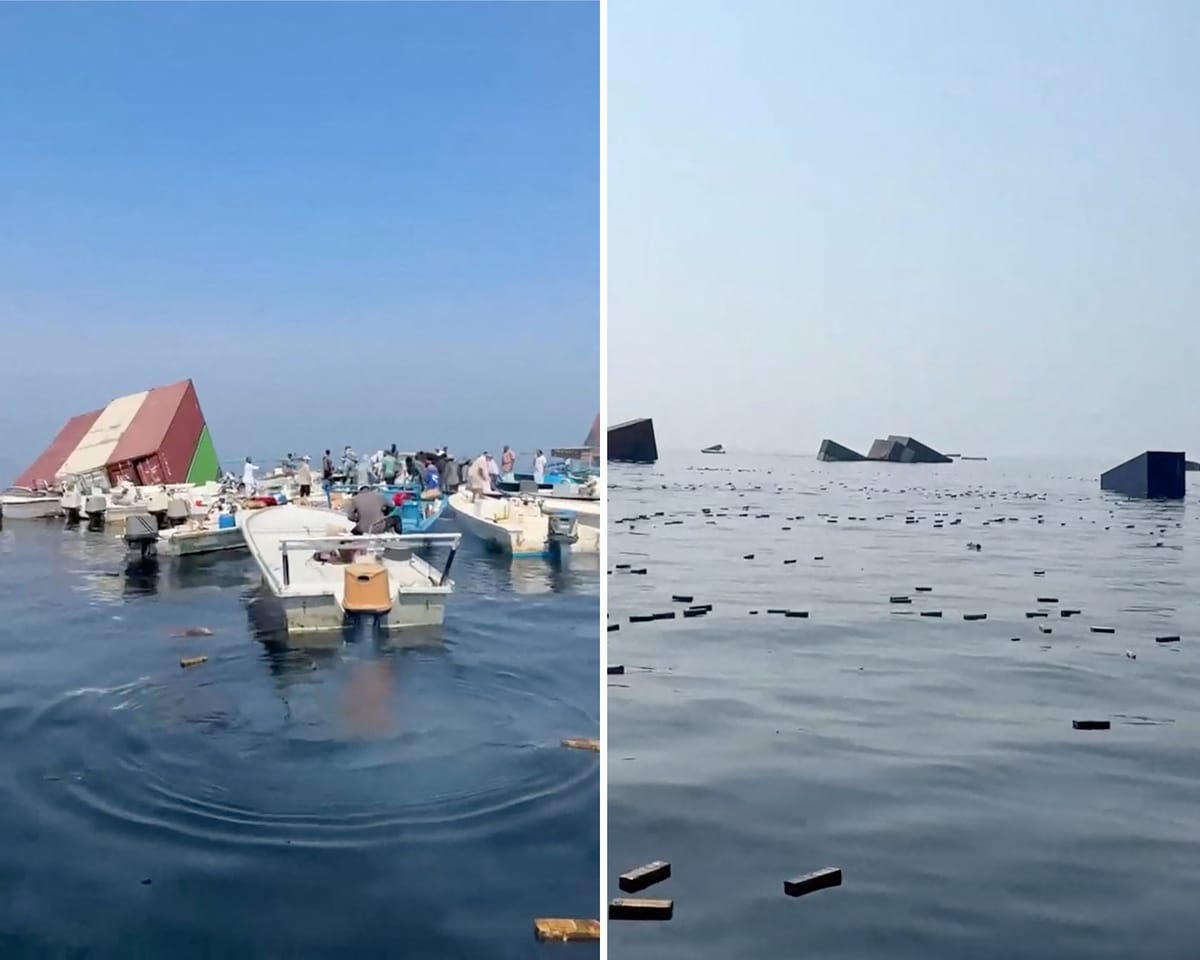
In recent days, the Strait of Hormuz has seen increased activity as individuals search for cargo lost following attacks on container ships by Iran. Over the past ten days, at least 15 ships have been targeted, with some hit by drones and others by mines. A notable incident involved a rocket-propelled grenade striking a vessel 120 km northeast of Jubail, a Saudi port.
These attacks appear to have reinforced Tehran's controversial control over the strait, contributing to a rise in Brent crude oil prices to nearly $108 per barrel. One incident involved a ship traveling from Karachi to Fujairah, which sank after hitting a mine, as reported by Iranian state TV. Although all 21 crew members were safely evacuated, around 2,500 containers were left floating, sparking rumors about valuable cargo, including iPhones. These rumors were fueled by fake AI-generated images on social media, leading locals to search for these items. An Iranian fisher reported that Arab boatmen were the first to retrieve goods from the containers.
Col. Javad Mokhtar Rezaei from Iran’s cyber police noted that while some phones might be genuine, exposure to saltwater and humidity can damage them. Meysam Doost-Mohammadi, an Iranian mobile association spokesperson, mentioned that shipping valuable phones is unusual.
Most attacks have occurred near Oman's coast, a route not recognized by Iran. The UK Maritime Agency recorded 12 vessel attacks in the week leading up to October 16. The Islamic Revolutionary Guard Corps claims the authority to target ships without permission or with disabled transponders. It has also instructed local fishers not to loot the sea, stating the goods belong to the state.
Two oil tankers were attacked on a Saturday, one carrying 2 million barrels of oil, according to the IRGC. The Fars news agency released a video showing a burning tanker, though its authenticity couldn't be verified. A third tanker was hit late Sunday.
The number of ships hit remains disputed. The UK Maritime Agency recorded 254 strait transits in the week ending October 14, 70% lower than pre-conflict levels.
Dr. Devaraj Asir Ramesh from Anna University warned of environmental threats, including toxic debris, oil spills, and noise disturbances affecting marine life. Iranian strikes could contaminate seagrass beds and harm cetaceans, which are sensitive to loud noises.
Oil leaks from tanker attacks in Fujairah could harm the ecosystem, impairing biodiversity and local industries, Ramesh noted in the International Journal of Research and Innovation in Social Sciences. Iranian President Masoud Pezeshkian described regional conflicts as ecocide, demanding international solutions.
Meanwhile, Russian Foreign Minister Sergei Lavrov visited Tehran, offering mediation over Iran’s nuclear program. Iran proposed opening the strait in six days for sanctions relief. Russia suggested taking Iran’s enriched uranium stockpile, but Iran hesitated and denied the International Atomic Energy Agency access to its nuclear sites since June 2025. Lavrov proposed a trilateral summit involving China, Russia, and Iran to address regional security.
Tehran anticipates further attacks, especially after Israeli Prime Minister Benjamin Netanyahu introduced a new national security doctrine emphasizing pre-emptive strikes.
Read next
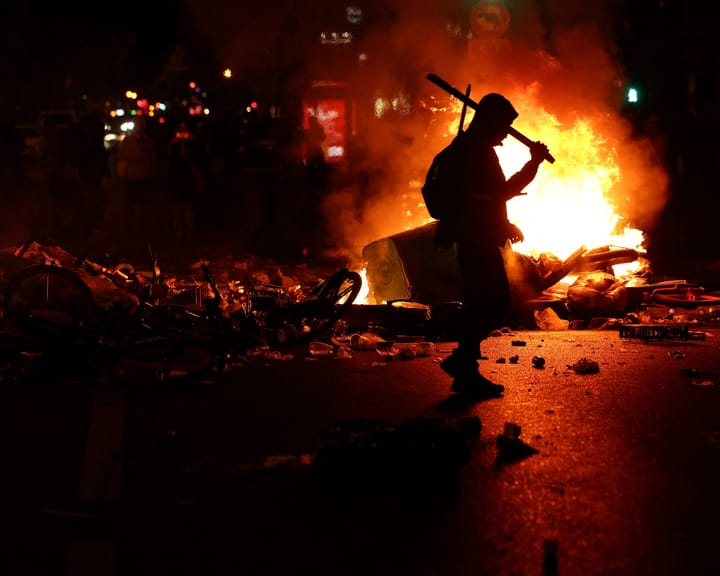
Interior Minister Admits French Police Lost Control Amid Riots
France’s Prime Minister has directed regional authorities to consider implementing partial curfews in certain cities following an admission by the government that police lost control during violent protests over the weekend. Sébastien Lecornu stated after an emergency cabinet meeting that he was determined to restore public order and suggested
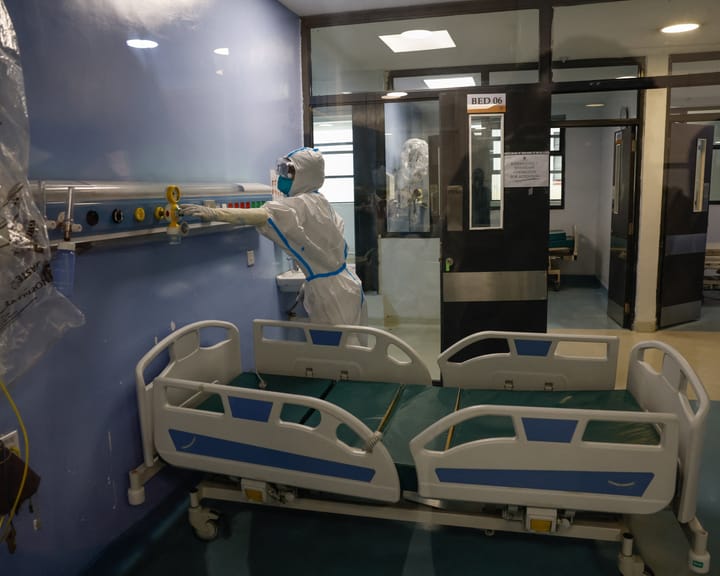
Kenya's Latest Ebola Case Exposes Gaps in U.S. Health Services Following Trump's Budget Cuts
In Kenya, a third individual has tested positive for Bundibugyo ebolavirus, marking the nation's first cluster of Ebola cases. This development occurs as the second-largest Ebola outbreak in history continues to impact the region, resulting in over 4,300 deaths and more than 9,000 infections.
The
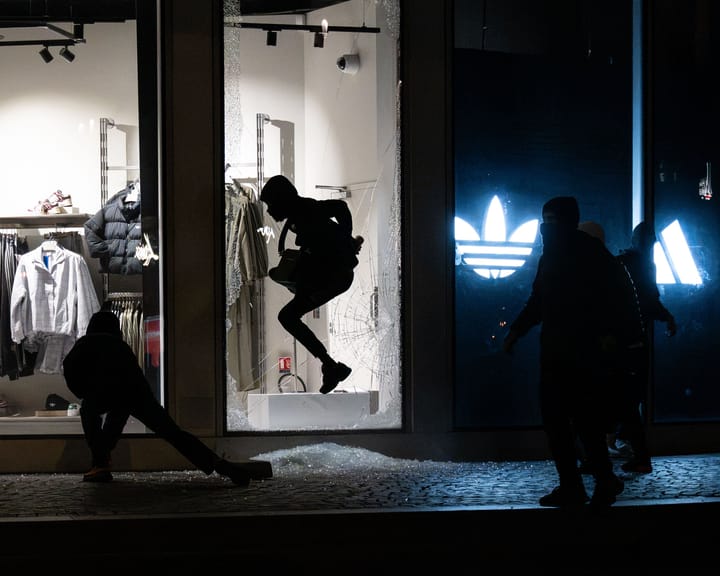
France in Chaos as Looting Extends into Second Night: 'War Zone' Descriptions Abound
In the early hours of Monday, two motorbikes carrying passengers each stopped at a traffic light in a backstreet near Paris's bustling rue de Rivoli. One rider remarked to the other about targeting areas with high foot traffic and elaborate shop windows. Shortly thereafter, ten men wearing ski