

Humanitarian conditions in El Obeid and its two outskirts camps are worsening as civilians displaced by fighting between the Sudanese Armed Forces and the Rapid Support Forces militia keep arriving from the countryside.
The UN says more than 15,000 families have arrived since mid‑July, joining the 200,000 people who came earlier in the year, according to government figures cited by Save the Children.
“The situation is very harsh and is deteriorating as El Obeid is receiving IDPs daily … the city is shockingly overcrowded,” said Maryam, a humanitarian volunteer whose name has been changed for safety.
The newcomers arrived on foot with almost nothing and suffer food shortages and trauma.
El Obeid, capital of North Kordofan, had about half a million residents before the war began over three years ago. While many have been absorbed, tens of thousands remain in two main tented camps. Satellite analysis by the Yale Humanitarian Research Lab shows 800 new tents appeared in one camp between 4 and 25 August.
“During my visit I saw 450 arrivals from nearby villages that morning,” he said. “Authorities say 85% are women and children, and most men stay to farm.”
Civil war erupted in Khartoum, about 250 miles (400 km) north‑east of El Obeid, on 15 April 2023 when a power struggle between the armed forces and the RSF turned into open conflict.
Since then, about 11.3 million people have been displaced, more than a fifth of the population, and areas including El Obeid face famine risk.
Casualty estimates range from tens to hundreds of thousands; more than 10,000 are believed to have been killed by the RSF in El Fasher over two days when they seized the western Darfur city after an 18‑month siege in October 2025.
A surge of RSF drone strikes on El Obeid and nearby areas in June led the UN to warn that the city could face a repeat of what happened in El Fasher. The number of strikes has fallen, but drones still kill and injure civilians while fighting continues in surrounding districts, pushing more people into the city.
Volunteers in El Obeid have recently noted an increase in “double‑tap” drone strikes, where a second drone follows the first to hit rescuers at the scene, Maryam said.
Read next
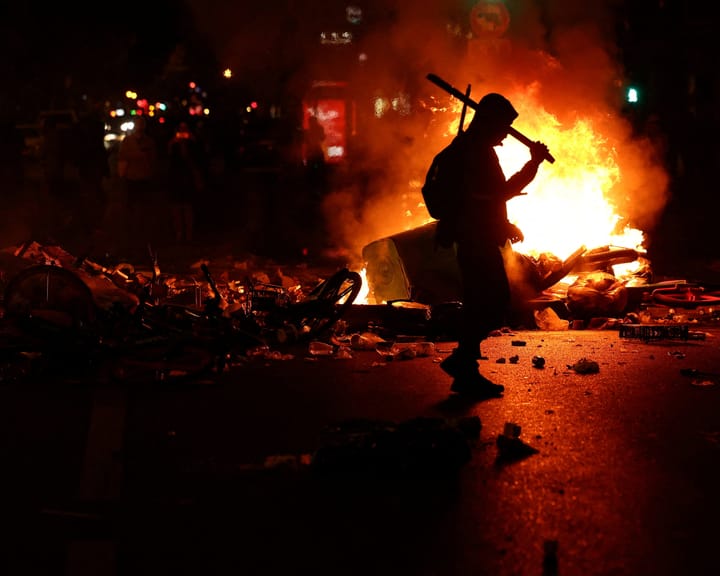
Interior Minister Admits French Police Lost Control Amid Riots
France’s Prime Minister has directed regional authorities to consider implementing partial curfews in certain cities following an admission by the government that police lost control during violent protests over the weekend. Sébastien Lecornu stated after an emergency cabinet meeting that he was determined to restore public order and suggested
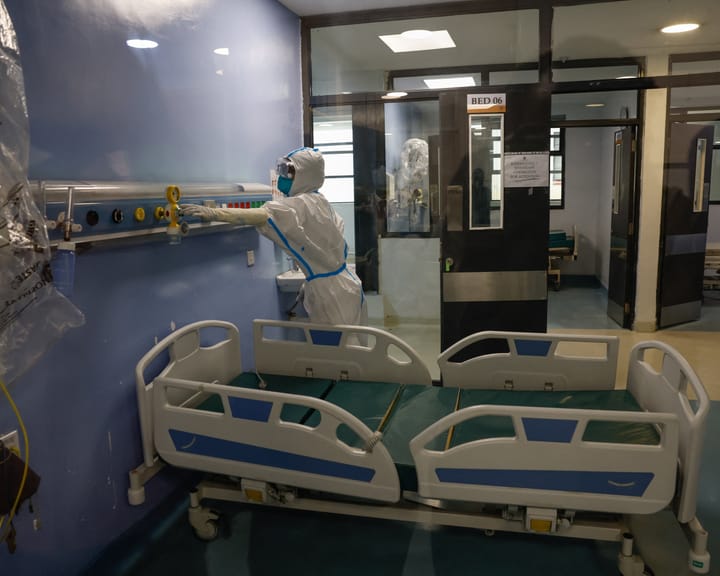
Kenya's Latest Ebola Case Exposes Gaps in U.S. Health Services Following Trump's Budget Cuts
In Kenya, a third individual has tested positive for Bundibugyo ebolavirus, marking the nation's first cluster of Ebola cases. This development occurs as the second-largest Ebola outbreak in history continues to impact the region, resulting in over 4,300 deaths and more than 9,000 infections.
The

France in Chaos as Looting Extends into Second Night: 'War Zone' Descriptions Abound
In the early hours of Monday, two motorbikes carrying passengers each stopped at a traffic light in a backstreet near Paris's bustling rue de Rivoli. One rider remarked to the other about targeting areas with high foot traffic and elaborate shop windows. Shortly thereafter, ten men wearing ski