
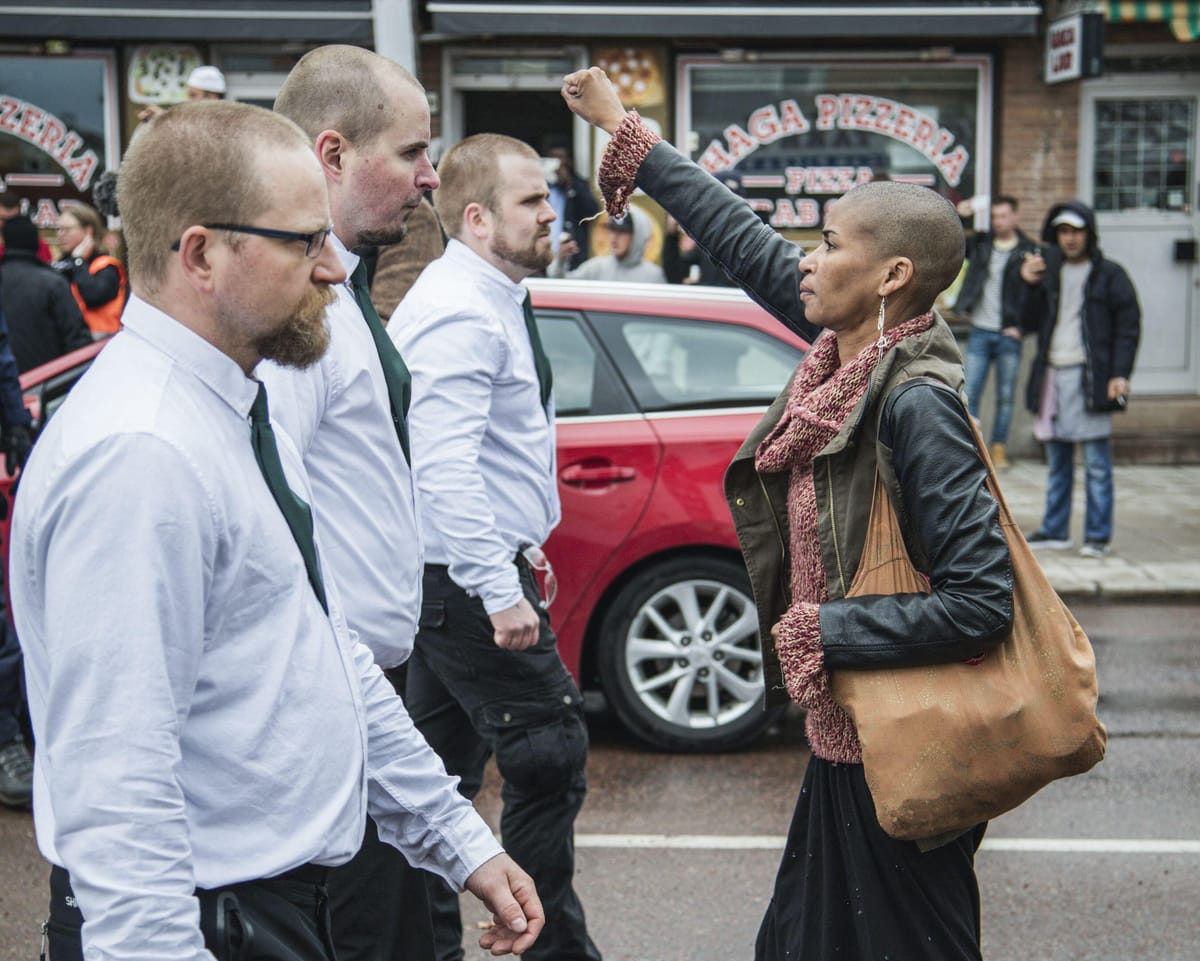
An iconic photograph captured a solitary Black woman, her fist raised, blocking a column of hundreds of uniformed neo‑Nazis marching in 2016, and the image splashed across headlines worldwide.
At the time the picture was celebrated as a emblem of resistance to the far right. A decade later, as Sweden prepares for elections in which the far right is projected to become the second‑largest party, the woman in the photo views it as evidence of the bewildering transformation sweeping the Scandinavian nation.
“Ten years ago people would say, ‘We hate the far right, the Sweden Democrats, we despise Nazis,’” recalled Tess Asplund, 52. “Now they have become normalised. What happened?”
Her remarks reflect a profound re‑shaping of Swedish politics, where the far right – once a pariah – has steadily entered the corridors of power. “I feel sad, afraid and ashamed of Swedish citizens,” Asplund told a café interviewer in central Stockholm. “It is pure racism.”
With a general election set for 13 September, polls indicate the centre‑left opposition leads the ruling right‑wing coalition, suggesting a possible government change. Yet the Sweden Democrats, a party with neo‑Nazi origins, is expected to secure the second‑most votes. In 2022 it again placed second, enabling it to support a minority coalition.
The party has long been tainted by accusations of harbouring violent racists and individuals displaying swastikas. It has leveraged its influence to impose ever tighter migration rules, targeting asylum seekers and Muslims, and to promote a discourse that disparages the millions of newcomers who have made Sweden their home and wish to contribute.
Earlier this year, Prime Minister Ulf Kristersson mused that a victory for his four‑party coalition could allow the far right to join the government – a potential watershed for Swedish politics.
The contrast with the Sweden Asplund defended on 1 May 2016 is stark. She and many others travelled to Borlänge to oppose a planned march by the Nordic Resistance Movement, one of the country’s largest neo‑Nazi groups. As she confronted them, photographer David Lagerlöf of Expo captured the moment; the image went viral. Swedish outlets likened it to a 1985 photograph by Hans Runesson showing a woman brandishing a handbag at a skinhead in Växjö.
Requests for the picture poured in from across the globe. In Sweden, strangers stopped Asplund on the street to thank her, even as she endured online harassment and death threats on her home line.
For Asplund, the episode remains a defining moment.
Read next
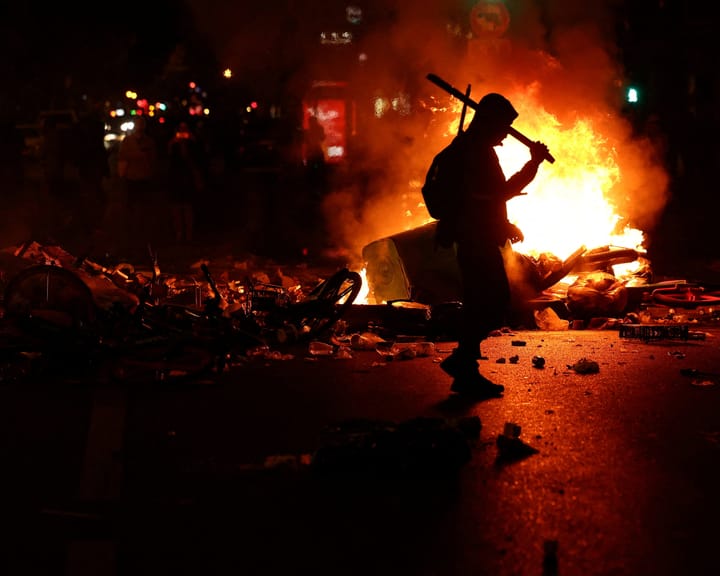
Interior Minister Admits French Police Lost Control Amid Riots
France’s Prime Minister has directed regional authorities to consider implementing partial curfews in certain cities following an admission by the government that police lost control during violent protests over the weekend. Sébastien Lecornu stated after an emergency cabinet meeting that he was determined to restore public order and suggested

Kenya's Latest Ebola Case Exposes Gaps in U.S. Health Services Following Trump's Budget Cuts
In Kenya, a third individual has tested positive for Bundibugyo ebolavirus, marking the nation's first cluster of Ebola cases. This development occurs as the second-largest Ebola outbreak in history continues to impact the region, resulting in over 4,300 deaths and more than 9,000 infections.
The
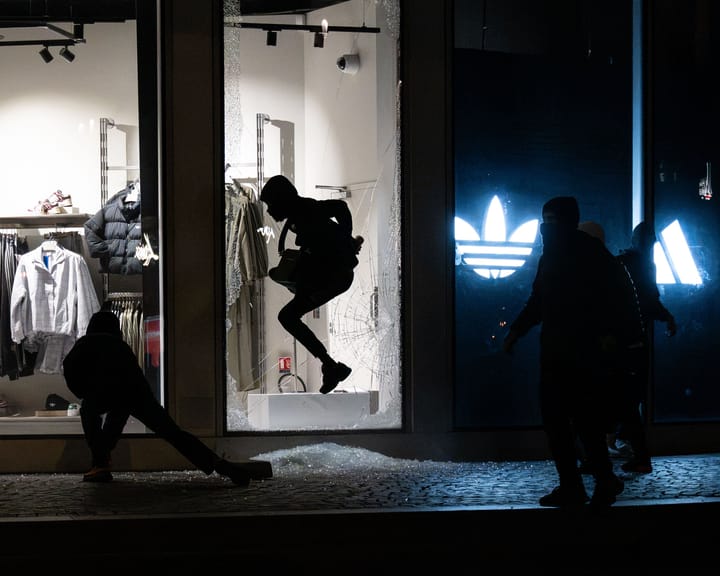
France in Chaos as Looting Extends into Second Night: 'War Zone' Descriptions Abound
In the early hours of Monday, two motorbikes carrying passengers each stopped at a traffic light in a backstreet near Paris's bustling rue de Rivoli. One rider remarked to the other about targeting areas with high foot traffic and elaborate shop windows. Shortly thereafter, ten men wearing ski