
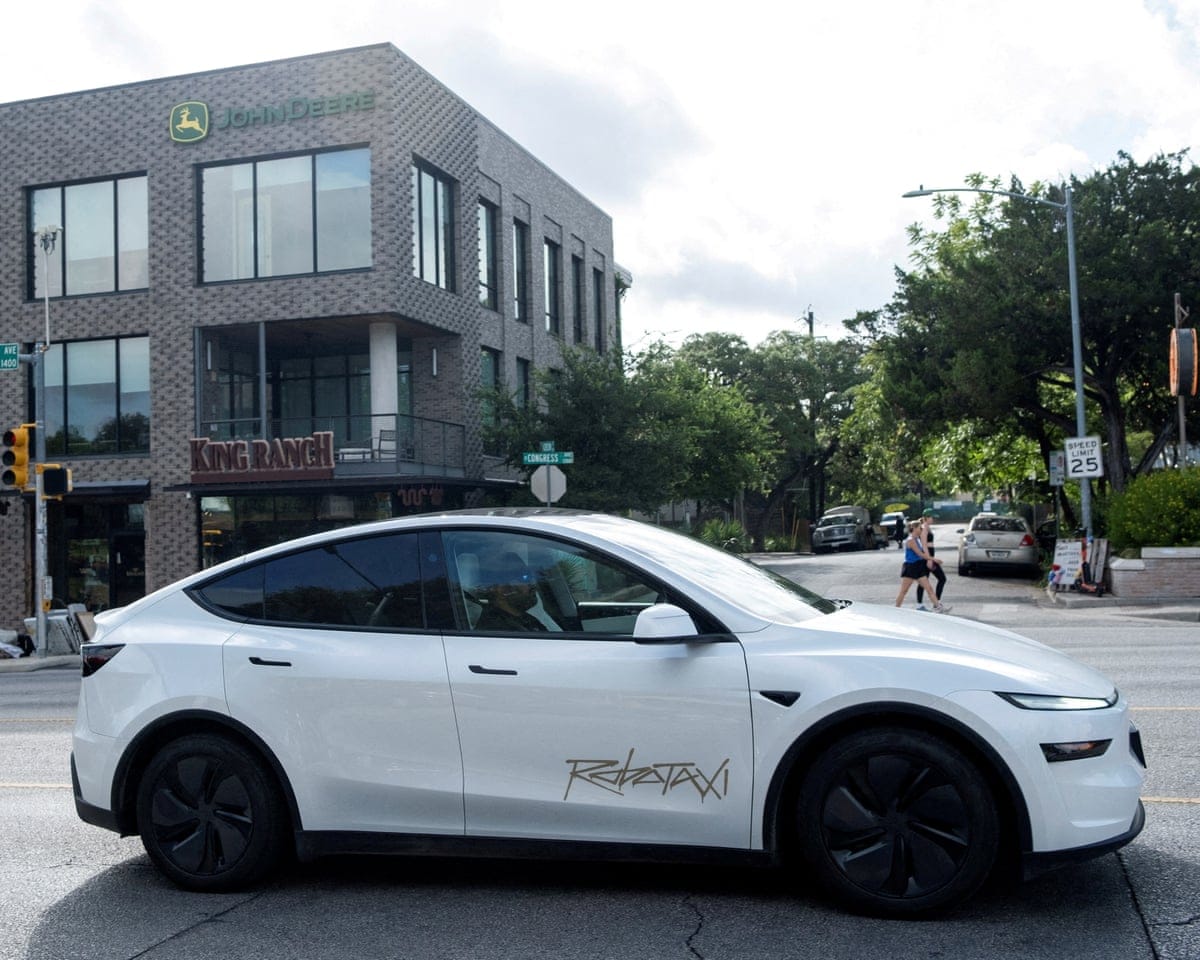
After years of promising investors millions of Tesla robotaxis would soon populate the streets, Elon Musk began a limited public rollout of his driverless car service in Austin, Texas. However, the debut was marred by technical issues.
The June 22 launch initially appeared functionally adequate, with videos from selected social media influencers showing rides. Musk characterized the event positively, and Tesla's stock value increased slightly the next day.
Technical problems soon became evident, partly revealed through the very videos Musk highlighted. These showed the self-driving vehicles failing to adhere to traffic laws or performing unreliable maneuvers. By Tuesday, the National Highway Traffic Safety Administration (NHTSA) had opened an investigation into the service and requested incident reports from Tesla.
If the limited robotaxi rollout marked the achievement of a long-term goal for Tesla, as Musk suggested on X, its initial struggles also illustrate the technical choices inherent in developing fully autonomous driving.
Musk has presented driverless cars as central to Tesla's future business direction. Facing declining car sales this year, he has emphasized the importance of quickly expanding the reach of this robotaxi service.
However, the faltering launch indicates ongoing technological hurdles that regulators have noticed, potentially delaying the widespread deployment of Tesla's driverless taxis. This situation also underscores the gap between Tesla's autonomous system and Waymo's driverless rival.
The rollout involved roughly 10 cars operating within a restricted area of Austin. Safety drivers were required in each vehicle. Other limitations included operating only under specific conditions, such as avoiding bad weather and certain night hours. Test rides offered to a select group of influencers were priced at $4.20.
One Tesla official account tweeted on launch day, "Tesla self-driving can be deployed anywhere it's approved. It does not require expensive, specialized equipment or extensive mapping... It just works."
However, footage from multiple test rides demonstrated significant problems with the system as deployed. Videos captured the vehicle repeatedly failing to make left turns, even driving into opposing traffic lanes before recovering by crossing double yellow lines. Excessive speeding and inexplicable braking were also observed. In one instance, the car dropped off a passenger directly in the middle of an intersection.
These videos prompted an NHTSA statement acknowledging the incidents and requesting Tesla provide more details.
Musk continued to share posts highlighting pro-Tesla influencer endorsements of the service throughout the technical difficulties and regulatory review.
One Musk post showcased a video demonstrating a robot.
Read next
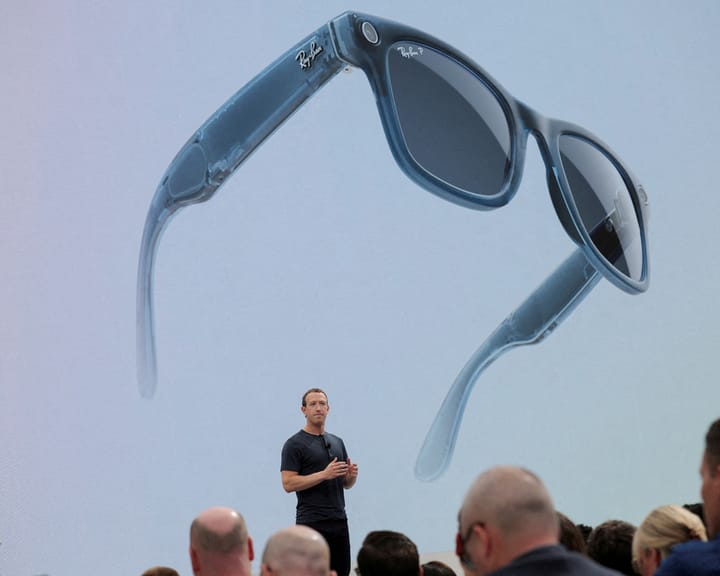
US officers worry Meta smart glasses could covertly record them
In January, the NYPD’s counterterrorism unit warned officers about a new security threat: Ray-Ban Meta glasses. A memo directed officers to “conduct thorough inspections of all eyewear permitted within inmate cells,” cautioning that recently arrested individuals could use the devices’ small cameras and microphones to record inside police
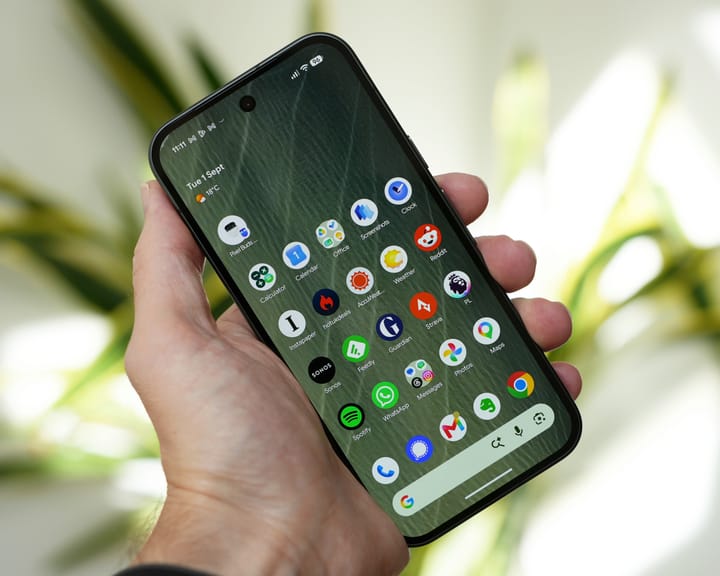
Google's Pixel 11 sets new standard for flagship phones, review finds
Google’s Pixel 11 continues to define what a base flagship phone should deliver, with leading cameras, extended software support and nearly all the features of its pricier siblings.
The standard Pixel 11 is priced at £879 (€999/$899/A$1,499), £80 higher than its previous version, reflecting ongoing
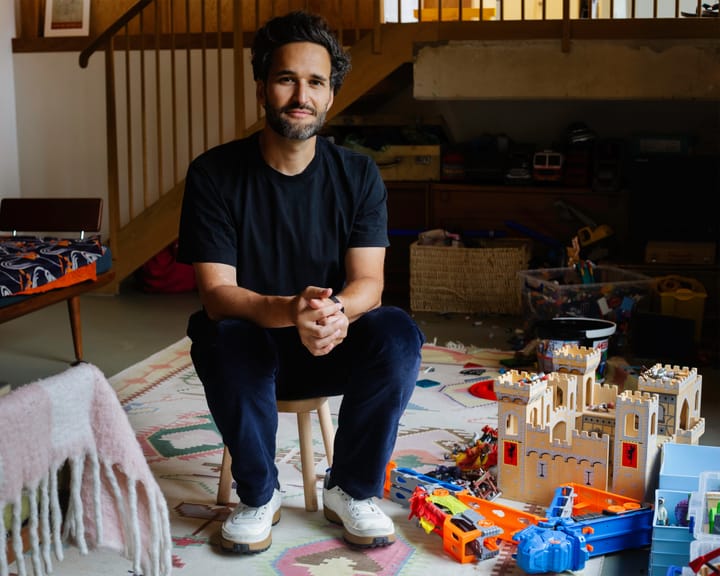
AI Expert Father of Three Shares Essential Insights for Parents on Artificial Intelligence
A father once promised his child they would write a story together called "The Day Nobody Went to Disneyland." The plot imagined a perfect day when the entire world avoided the park, expecting crowds, leaving it completely empty for a father and child to enjoy alone. Three decades