
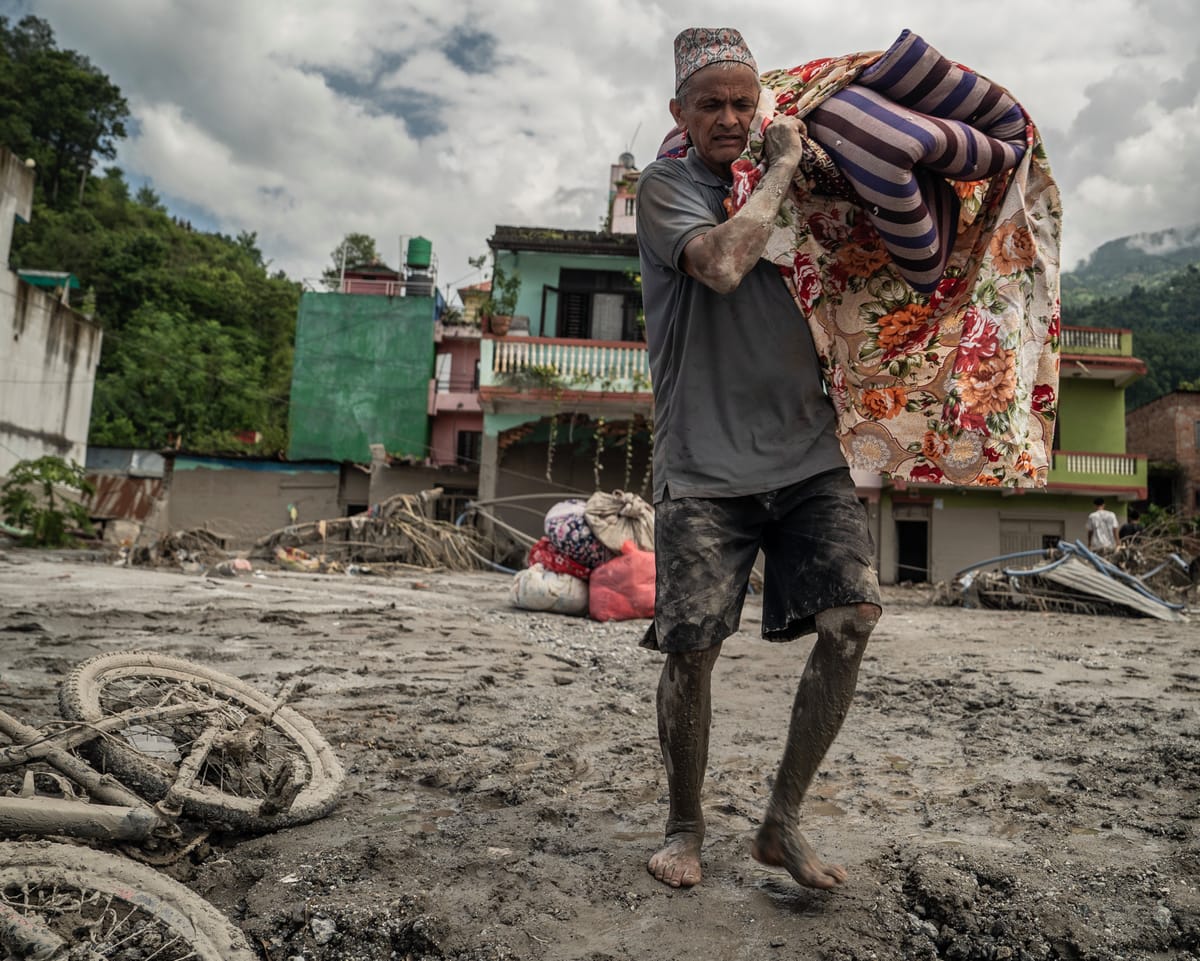
Since the catastrophic floods swept through the Himalayan valleys of Nepal and Tibet, the death count has kept climbing. Hundreds of bodies have emerged from the thick, tar‑like mud that remained after the waters receded, and the toll stood at 797 in Nepal and Tibet by Sunday.
Morgues across Nepal are overflowing. Authorities struggle to identify the dead, many mangled beyond recognition and scattered far from home. With storage space exhausted, mass burials have begun in Bharatpur district.
Each corpse received a DNA sample before being tagged, bagged in plastic and lowered into a shallow grave. Police hope that relatives will eventually match the DNA to identify the victims and allow proper funeral rites.
In Chitwan, about 100 miles downstream from the hardest‑hit zone, more than 250 bodies have washed ashore along the riverbanks. Their disfigured condition has allowed only nine identifications so far; many will be temporarily interred in the forest on the city’s edge.
To accelerate identification, officials have turned to a grim method: displaying photographs of the recovered bodies and urging relatives to spot personal items such as necklaces, wedding rings, tattoos or scars. The images are compiled into PowerPoint slideshows for families to view, and the pictures have been posted on the Nepal Police website and on the walls outside Kathmandu’s morgue.
Even with more than 3,000 people still listed as missing in Nepal and Tibet, officials fear the casualty figure could rise sharply. The most devastated villages, where entire communities were swept away by an apocalyptic wave of mud, water and debris, remain reachable only by army helicopter.
On Sunday, foreign secretary Amrit Bahadur Rai announced that the government has requested “more than 1,000 freezer units” to store the dead safely.
In lower‑lying, road‑accessible sections of the valley, search and rescue teams continue to battle the mud. At Devighat, a sacred town on the Trishuli River that was devastated, police teams prepared to extract another victim whose only visible parts were their feet. “It is very tough work. We have retrieved ten bodies from here so far; there may be more,” said police superintendent Amabadutta Bhatta.
Read next
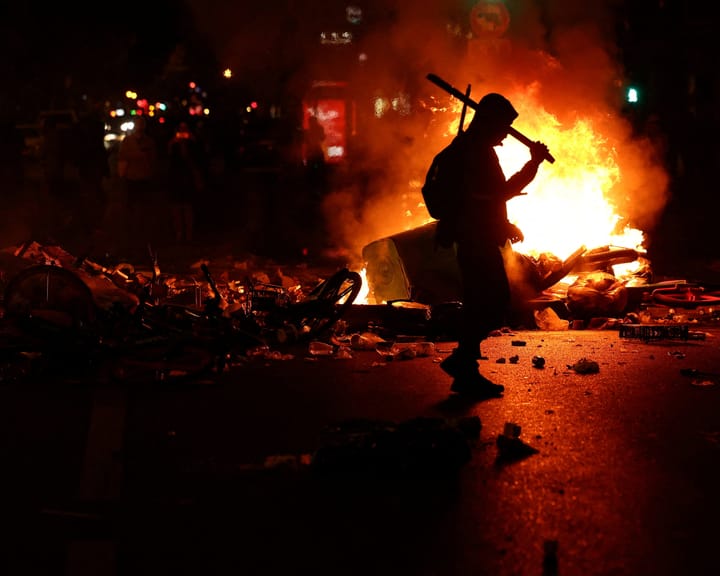
Interior Minister Admits French Police Lost Control Amid Riots
France’s Prime Minister has directed regional authorities to consider implementing partial curfews in certain cities following an admission by the government that police lost control during violent protests over the weekend. Sébastien Lecornu stated after an emergency cabinet meeting that he was determined to restore public order and suggested
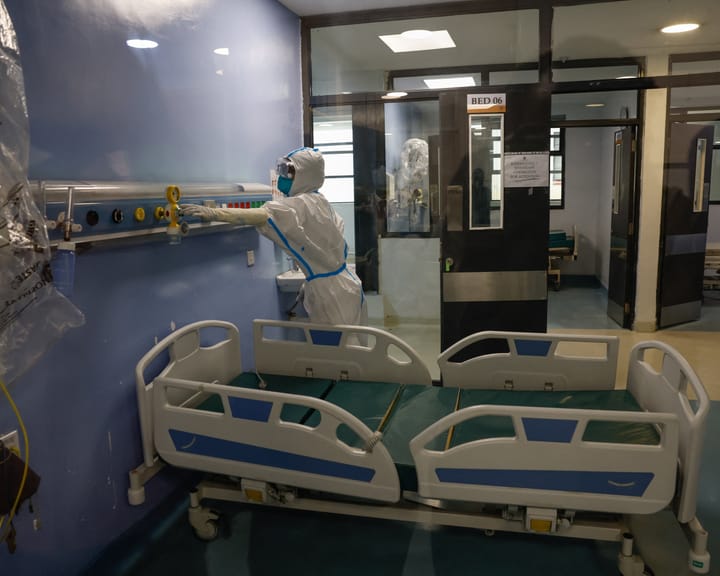
Kenya's Latest Ebola Case Exposes Gaps in U.S. Health Services Following Trump's Budget Cuts
In Kenya, a third individual has tested positive for Bundibugyo ebolavirus, marking the nation's first cluster of Ebola cases. This development occurs as the second-largest Ebola outbreak in history continues to impact the region, resulting in over 4,300 deaths and more than 9,000 infections.
The

France in Chaos as Looting Extends into Second Night: 'War Zone' Descriptions Abound
In the early hours of Monday, two motorbikes carrying passengers each stopped at a traffic light in a backstreet near Paris's bustling rue de Rivoli. One rider remarked to the other about targeting areas with high foot traffic and elaborate shop windows. Shortly thereafter, ten men wearing ski