

Food Delivery Firms Boost Security Checks After Illegal Working Concerns
The UK's three largest food delivery companies have introduced stricter security measures following government concerns over illegal work activity on their platforms.
Uber Eats, Deliveroo, and Just Eat have agreed to expand the use of facial verification checks and fraud detection systems to ensure only registered account holders can work for them.
The move follows a meeting between the firms and Home Office officials on Monday to address reports of individuals using the platforms for unauthorized work. Last week, officials cited instances of illegal activity after visiting a facility housing asylum seekers.
The new measures will be implemented within 90 days. Just Eat, which already conducts facial recognition checks monthly, will increase these to daily verifications.
A government official overseeing border security stated, "We will not ignore illegal work, as it harms legitimate businesses, reduces wages, and benefits criminal networks. We welcome the commitment from these companies to enhance checks and will monitor progress closely."
Another official responsible for employment rights added, "Illegal work leads to exploitation and undermines fair wages and conditions for lawful workers. We are strengthening workplace rights and will work with firms to ensure compliance."
A spokesperson for Deliveroo said, "We enforce strict measures against misuse of our platform. Today’s discussions mark progress in tackling illegal work. Our current safeguards have been effective, but we will now increase daily facial recognition checks alongside industry partners."
Uber Eats stated, "We remain focused on preventing illegal work and support industry-wide efforts with the government. Advanced tools will help detect and remove fraudulent accounts."
Just Eat added, "We back efforts to address illegal work and are reinforcing our systems with additional safeguards to maintain platform integrity."
Read next
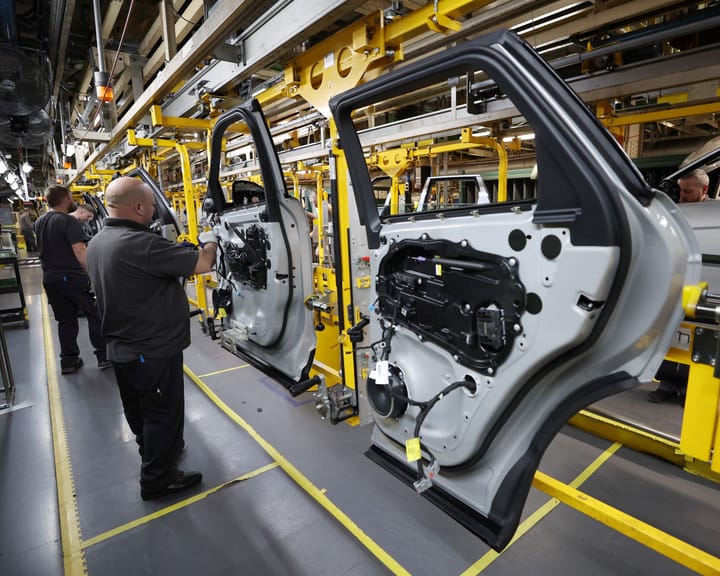
Jaguar Land Rover suppliers voice ‘everything is against us’ amid cutbacks
David Roberts, chair of Coventry-based Evtec, says the outlook for Britain’s automotive sector is grim, with “everything against us.” Evtec is a tier 1 supplier to Jaguar Land Rover, which this week announced 4,000 job cuts over two years despite chancellor John Healey’s attempt to talk

Europe’s fighter jet plans in disarray: what comes next?
When former ECB president and Italian PM Mario Draghi urged Europe to catch up economically with the US and China, defence collaboration was prescribed. No more should each nation build independent boats, tanks or jets; allies should share costs and technologies.
Europe stumbled at the first hurdle. German Chancellor Friedrich
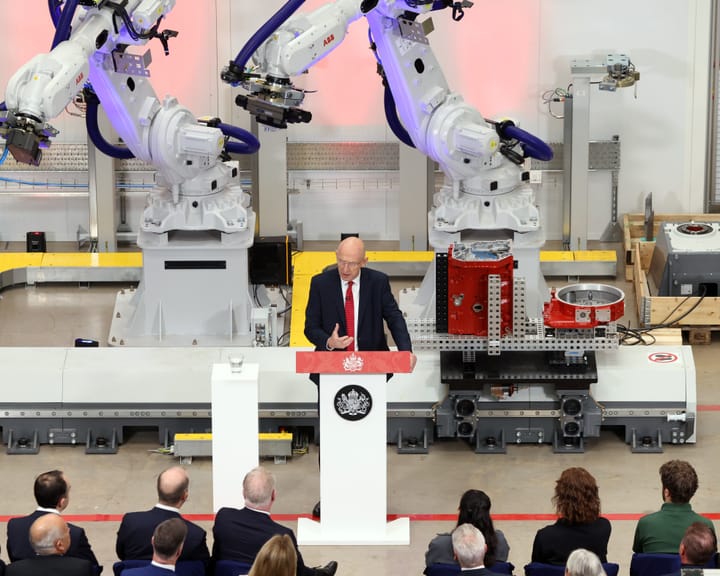
John Healey supports growth but insists Labour must be truthful about spending
John Healey has stated that his primary goal as chancellor will be to boost economic growth, while acknowledging that Labour must be straightforward about controlling public spending at next month's budget.
In his first major address since assuming the role in July, Healey said the leading focus of