
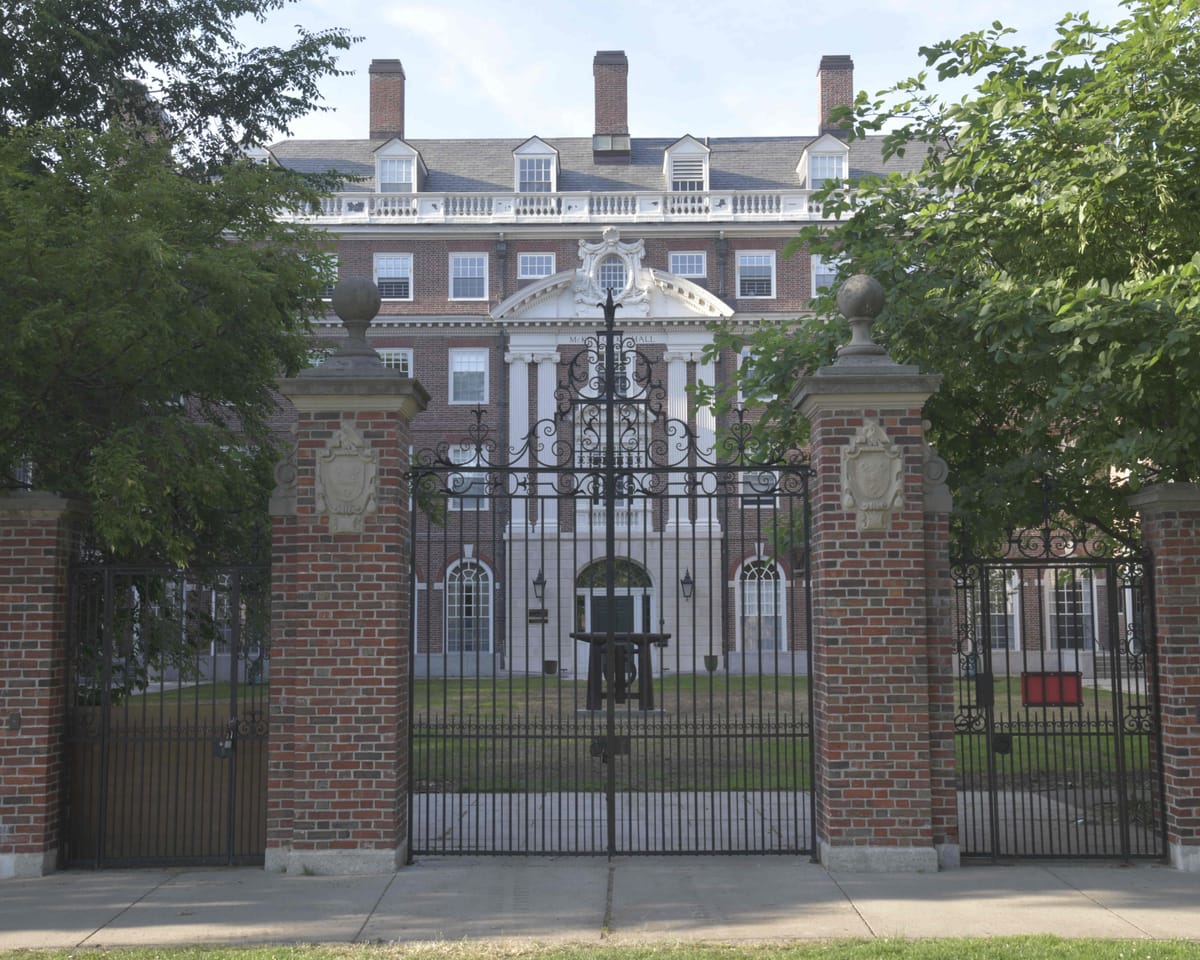
Columbia's Agreement with Federal Government Sparks Divided Reactions
A recent agreement between Columbia University and federal officials after lengthy negotiations has drawn mixed responses from faculty, students, and alumni—highlighting ongoing divisions on campus since the start of the conflict in Gaza.
David Pozen, a professor at Columbia Law School, criticized the deal, calling it a way to give "legal form to an extortion scheme."
"The methods used to enforce these changes are as unprecedented as they are flawed. U.S. higher education policy is now being shaped through irregular agreements, a process that undermines both the university's role as a space for independent thought and the integrity of legal governance," Pozen added.
Others at Columbia viewed the settlement more favorably. The Stand Columbia Society, a coalition of alumni, students, and faculty, endorsed the decision, noting that they had long supported reforms aligned with the government's demands.
"The Stand Columbia Society sees this agreement as a positive resolution that secures research funding, advances necessary changes, and upholds academic independence," they stated. "We have remained firm in advocating for what is right, and today, both the university and government officials should be acknowledged for reaching this outcome."
The federal government's broader effort to impose financial penalties on universities follows its recent agreement with Columbia. According to sources, this deal is seen as setting expectations for future negotiations with other institutions.
Under the terms of the settlement, Columbia will pay $200 million to the government over three years, along with an additional $21 million to resolve related investigations.
"This agreement represents progress after a challenging period of federal review and uncertainty," said Claire Shipman, the university's interim president.
Funding was initially withheld over allegations that Columbia did not adequately address reports of antisemitism on campus following the outbreak of the war in 2023.
Federal officials are now reportedly pursuing similar actions against other universities, including Harvard, accusing them of failing to combat antisemitism on campus as a condition for restoring federal funding.
Read next
Badenoch returns to Conservative conference, markedly stronger than a year ago
A year ago, Tory MPs feared a fresh leadership revolt against Kemi Badenoch as Tories hit historic 14-16% support; November, after 12 months, was hushed: decisive challenge month. Yet, despite poor polls, “Keminisation” saw her impose style and authority.
More in Common’s Luke Tryl, director, said Badenoch holds

UK sanctions plan on illegal Israeli settlements faces criticism from US, Israel and British MPs
Today, with the agreement of Prime Minister Netanyahu, Israeli officials announced a series of countermeasures in response to new sanctions declared by the British foreign secretary of the Labour government, following a sequence of anti-Israel decisions by the same administration.
The accusations leveled today by the Labour foreign secretary,
UK announces trade ban on Israeli settlements as tougher stance
Ed Miliband will announce a broad reset of the UK’s relations with Israel on Tuesday, pledging a more active stance in support of the Palestinian cause. In an intervention drawing fierce criticism from the US and Israel, the foreign secretary will impose a ban on trade in goods and