
UK Government May Retreat on Apple Encryption Demand Amid US Pressure
Reports suggest that pressure from Washington may lead the UK government to soften its stance on requiring Apple to grant British authorities access to encrypted customer data.
Earlier this year, the UK Home Office formally requested that Apple enable law enforcement to access highly secured customer data. However, the company refused and removed its advanced data protection service from the UK market, maintaining that user privacy is a fundamental principle.
According to the *Financial Times*, UK officials now believe that US influence, including from Vice-President JD Vance, could force the Home Office to reconsider. Vance has previously dismissed proposals for granting backdoor access to encrypted systems, calling the idea "crazy" due to potential risks from adversaries, even if intended for security purposes.
The report cited sources stating the Home Office was likely to backtrack, with one insider noting, "they are working on a way around it now." The Home Office declined to comment.
The demand was issued under the Investigatory Powers Act, but Apple responded by suspending its advanced data protection (ADP) service in the UK, affirming it would never introduce a backdoor into its products. ADP remains available globally, providing end-to-end encryption for services like iCloud backups, notes, and wallet passes.
Apple has also filed a legal challenge in the Investigatory Powers Tribunal contesting the Home Office’s authority to demand backdoor access. The government sought to keep the case confidential, but judges ruled that details should be made public.
The UK aims to attract US tech investment, but some ministers argue that strong encryption hinders law enforcement efforts against serious crimes. However, concerns persist that backdoor demands could jeopardize technology agreements with the US, which may play a role in future trade strategies.
Read next
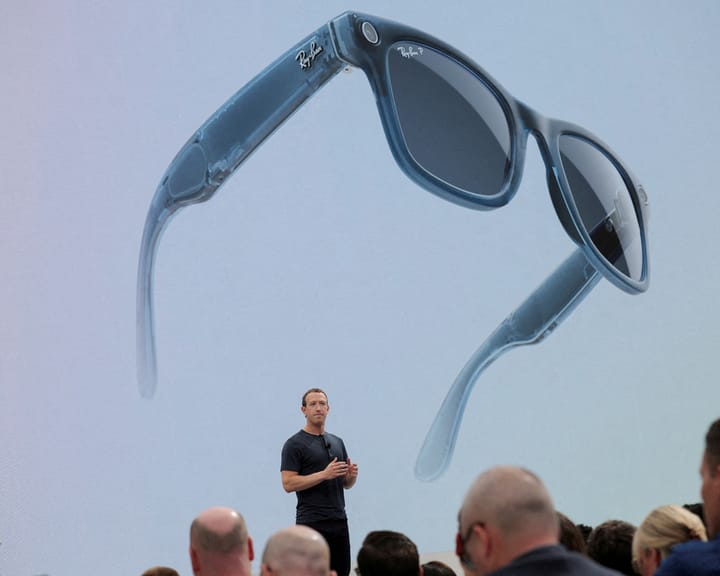
US officers worry Meta smart glasses could covertly record them
In January, the NYPD’s counterterrorism unit warned officers about a new security threat: Ray-Ban Meta glasses. A memo directed officers to “conduct thorough inspections of all eyewear permitted within inmate cells,” cautioning that recently arrested individuals could use the devices’ small cameras and microphones to record inside police
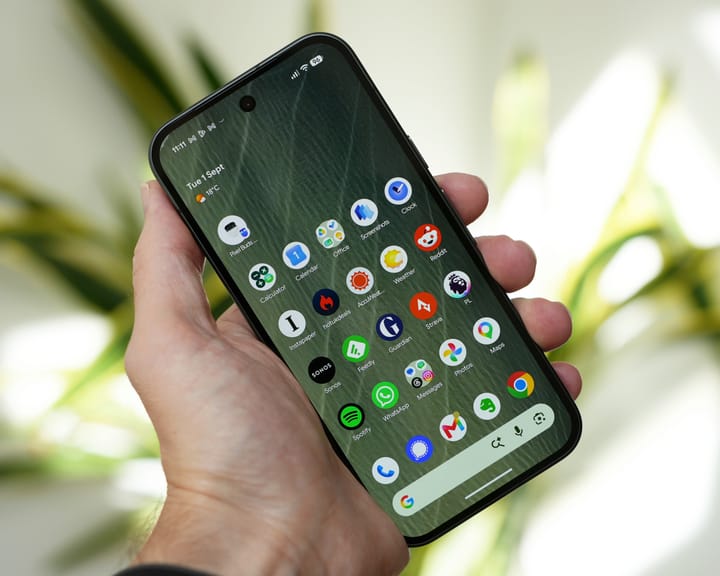
Google's Pixel 11 sets new standard for flagship phones, review finds
Google’s Pixel 11 continues to define what a base flagship phone should deliver, with leading cameras, extended software support and nearly all the features of its pricier siblings.
The standard Pixel 11 is priced at £879 (€999/$899/A$1,499), £80 higher than its previous version, reflecting ongoing

AI Expert Father of Three Shares Essential Insights for Parents on Artificial Intelligence
A father once promised his child they would write a story together called "The Day Nobody Went to Disneyland." The plot imagined a perfect day when the entire world avoided the park, expecting crowds, leaving it completely empty for a father and child to enjoy alone. Three decades