
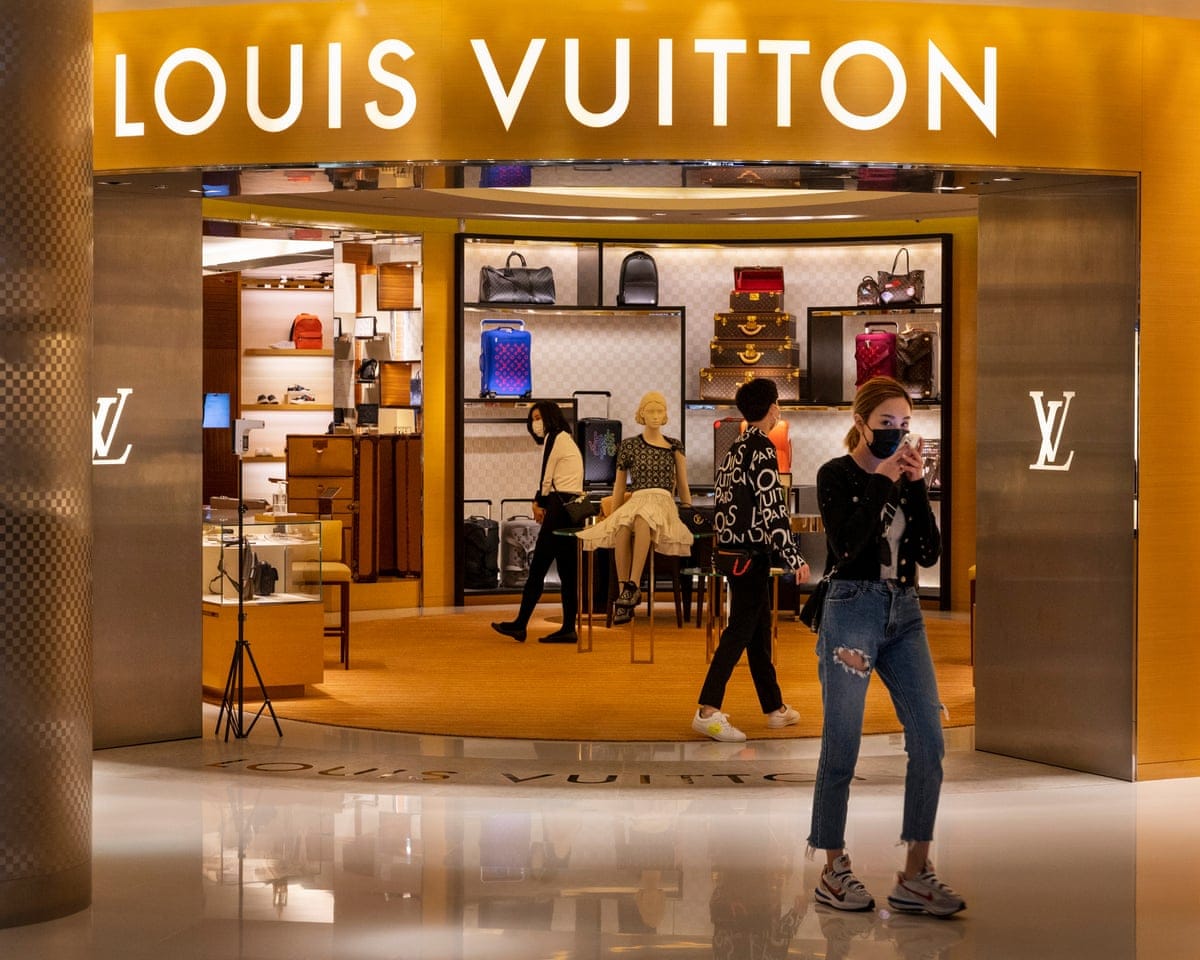
Louis Vuitton Reports Data Breach Affecting UK Customers
Louis Vuitton has confirmed that some of its UK customers' data was stolen in a cyberattack, marking the latest incident targeting a major retailer.
The brand, owned by the French luxury group LVMH, stated that an unauthorized party gained access to its UK systems, obtaining details such as customers' names, contact information, and purchase history.
Last week, the company reported a similar breach affecting its operations in South Korea. Louis Vuitton assured customers that no financial data, including bank details, was compromised.
"While there is no evidence of misuse so far, phishing attempts, fraud, or unauthorized use of personal information may still occur," the company warned.
Authorities, including the Information Commissioner’s Office, have been notified. The breach reportedly occurred on July 2, as first reported by Bloomberg. This is the third time LVMH’s systems have been breached in three months.
In addition to the Louis Vuitton incidents, LVMH’s Christian Dior Couture disclosed in May that hackers had accessed customer data.
Separately, four individuals were arrested as part of an investigation into cyberattacks targeting Marks & Spencer, the Co-op, and Harrods. Those detained include a 17-year-old British boy, a 19-year-old Latvian man, a 19-year-old British man, and a 20-year-old British woman.
M&S was first attacked in April, leading to its online store being shut down for nearly seven weeks. The Co-op faced a breach the same month, forcing parts of its IT system offline. Harrods reported an attack on May 1 and restricted website access after detecting unauthorized access attempts.
The arrests follow remarks by M&S chairman Archie Norman, who told lawmakers that two other large UK firms had experienced unreported cyberattacks in recent months, describing the retailer’s breach as "traumatic."
Louis Vuitton has not yet provided further comment.
Read next
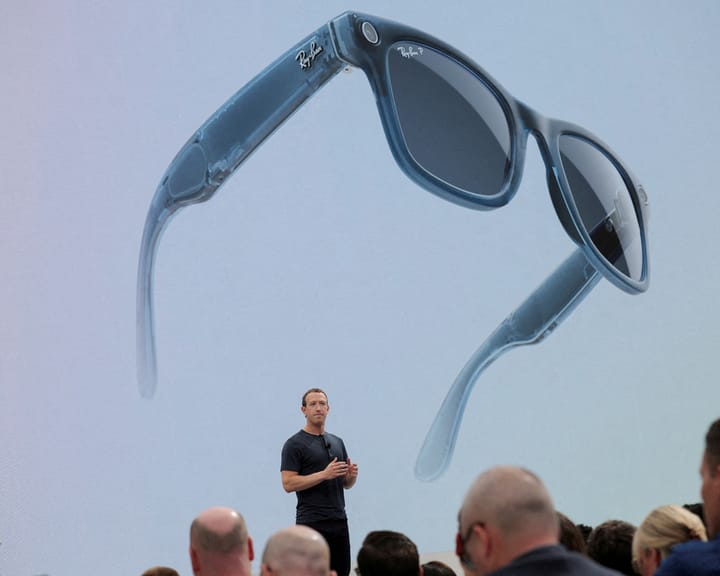
US officers worry Meta smart glasses could covertly record them
In January, the NYPD’s counterterrorism unit warned officers about a new security threat: Ray-Ban Meta glasses. A memo directed officers to “conduct thorough inspections of all eyewear permitted within inmate cells,” cautioning that recently arrested individuals could use the devices’ small cameras and microphones to record inside police
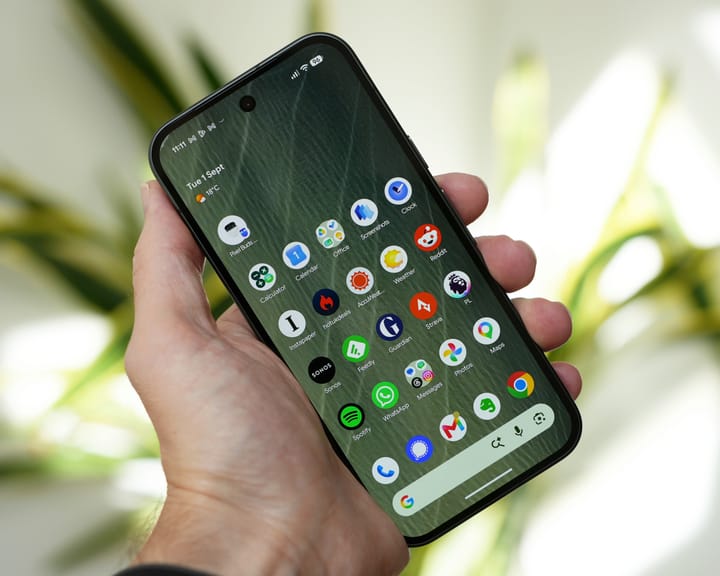
Google's Pixel 11 sets new standard for flagship phones, review finds
Google’s Pixel 11 continues to define what a base flagship phone should deliver, with leading cameras, extended software support and nearly all the features of its pricier siblings.
The standard Pixel 11 is priced at £879 (€999/$899/A$1,499), £80 higher than its previous version, reflecting ongoing

AI Expert Father of Three Shares Essential Insights for Parents on Artificial Intelligence
A father once promised his child they would write a story together called "The Day Nobody Went to Disneyland." The plot imagined a perfect day when the entire world avoided the park, expecting crowds, leaving it completely empty for a father and child to enjoy alone. Three decades